妇女全面发展

Search documents
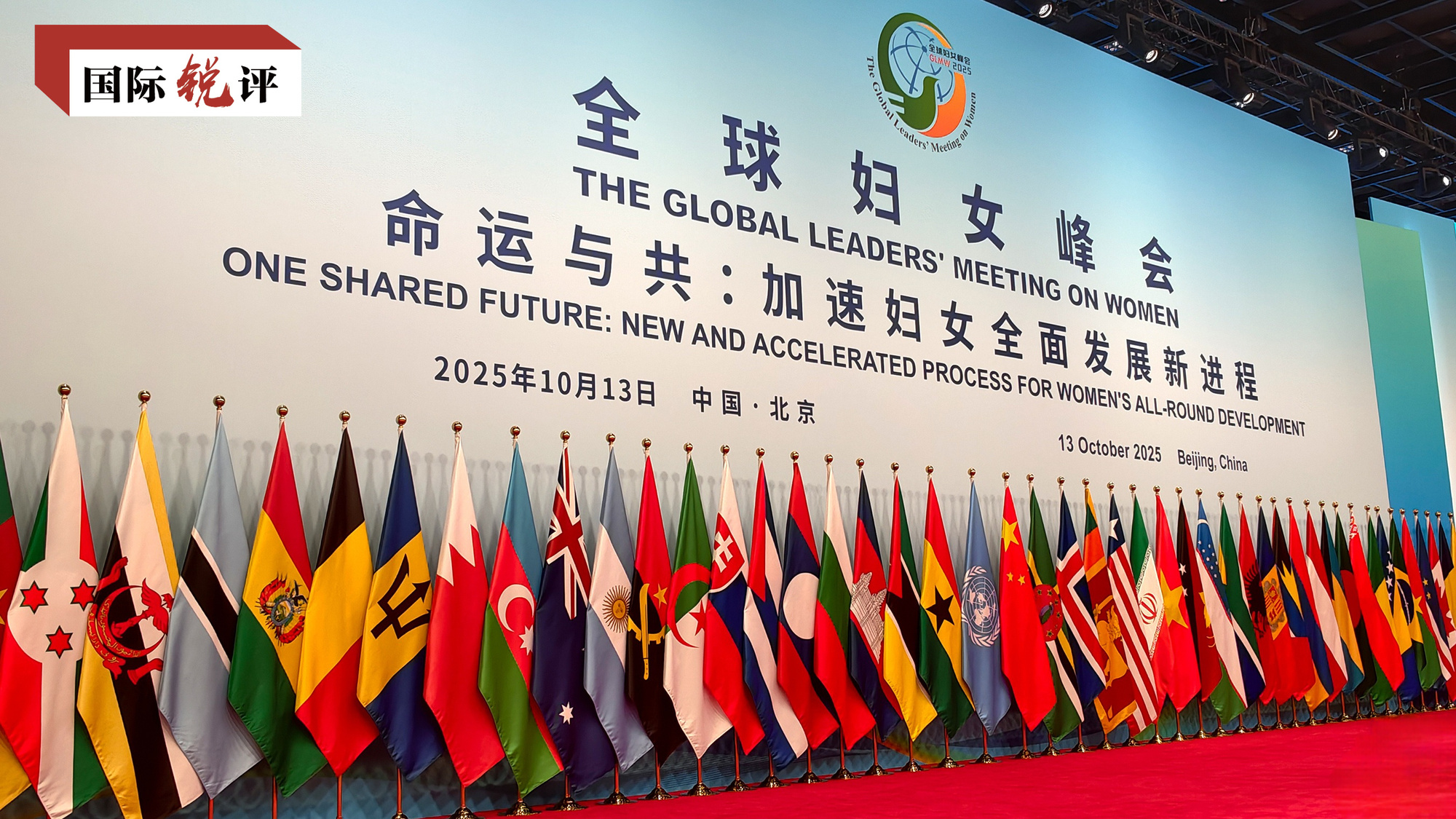
达州市妇联与达州开放大学签署战略合作协议
Xin Lang Cai Jing· 2026-01-16 08:48
Group 1 - The core viewpoint of the collaboration is to integrate social resources to promote women's comprehensive development and establish a lifelong education system in Dazhou [1][2] - The partnership will launch the "Baqiu Women's Education Enhancement Initiative," providing new pathways for women's lifelong learning [2][5] - The collaboration aims to create a supportive environment for women's development, focusing on family education, women's empowerment, child protection, and elderly care [2][5] Group 2 - The agreement includes the implementation of "Four Major Projects" to build a comprehensive service support system for women and children [5][7] - The "Family Education Brand Cultivation Project" will establish an online and offline family education guidance service network to enhance parents' scientific parenting abilities [5] - The "Baqiu Women's Capability Enhancement Project" will offer systematic training and degree enhancement programs for grassroots women leaders and entrepreneurs, including digital literacy courses [5] - The "Protecting Buds Project" will create a network for minor protection through a series of micro-classes and a professional volunteer service team [5] - The "Elderly Education 'Three Has' Service Project" will develop learning platforms for elderly women, promoting lifelong learning and improving their quality of life [5][7] Group 3 - This collaboration is a practical implementation of important discussions on women's affairs and education, aiming to create a service system for lifelong learning for all [7] - The partnership will focus on resource integration, platform co-construction, and result sharing to ensure long-term cooperation and precise service content [7] - The goal is to benefit a wider group of women, children, and families, contributing to the modernization of Dazhou with women's strength and educational wisdom [7]

新华时评丨为加速妇女全面发展新进程凝聚合力
Xin Hua She· 2025-10-15 05:24
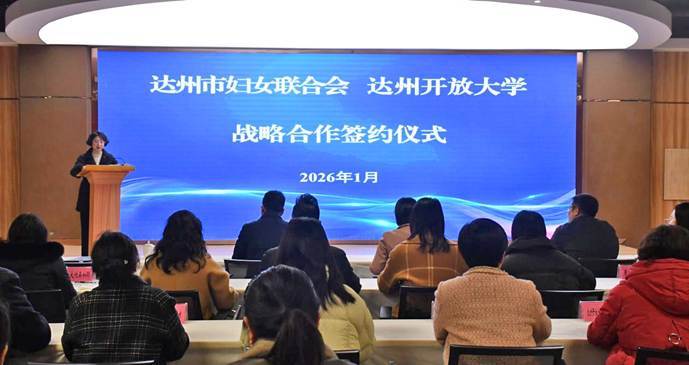
Core Points - The Global Women's Summit held in Beijing on October 13-14 aims to discuss the advancement of women's rights and development, marking the 30th anniversary of the Fourth World Conference on Women [1][2] - President Xi Jinping emphasized the importance of women's roles in human civilization and called for international cooperation to promote women's development [1][5] Historical Context - The journey towards gender equality has been marked by significant milestones, including the establishment of the first women's rights declaration and the International Women's Day [2] - Since the Beijing conference, over 190 countries have enacted nearly 1,600 laws to protect women's rights, reflecting a global consensus on gender equality [2] Current Challenges - Despite progress, over 600 million women and girls are still affected by conflict, and about 10% live in extreme poverty, highlighting ongoing challenges in achieving gender equality [3] - The summit is seen as timely in addressing the risks of regression in women's rights amid global uncertainties [3] China's Role - China has made significant strides in women's development, with 690 million women advancing towards a moderately prosperous society and a nearly 80% reduction in maternal mortality since 1995 [4] - The country actively supports global women's initiatives, including the Belt and Road Initiative and South-South cooperation [4] Summit Outcomes - Xi proposed four key suggestions for fostering an environment conducive to women's growth and development, including a commitment to donate $10 million to the UN Women [5] - The summit aims to build a new chapter in global women's cooperation and address challenges in women's development [5]
新华时评|为加速妇女全面发展新进程凝聚合力
Xin Hua She· 2025-10-15 04:57
Core Points - The Global Women's Summit held in Beijing aims to accelerate the comprehensive development of women and gather international consensus on women's issues [1][3] - The summit marks the 30th anniversary of the Fourth World Conference on Women, which established significant frameworks for women's rights and gender equality [2][4] - Despite progress, over 600 million women and girls are still affected by conflict, and about 10% live in extreme poverty, highlighting the ongoing challenges in achieving gender equality [3] Group 1 - The summit emphasizes the importance of women's roles in civilization and the collective responsibility of the international community to promote women's development [1][3] - Historical milestones in women's rights have led to a global consensus on gender equality, with 190 countries enacting nearly 1,600 laws to protect women's rights [2] - The summit serves as a critical platform for discussing challenges and strategies for advancing women's issues in a world filled with uncertainty and conflict [3] Group 2 - China is positioned as both an advocate and an active participant in promoting women's development, integrating it into its modernization efforts [4] - Significant achievements in women's rights in China include a nearly 80% reduction in maternal mortality since 1995 and over 40% female representation in the workforce [4] - The Chinese government has committed to further supporting global women's initiatives, including a $10 million donation to the UN Women and the establishment of a Global Women's Capacity Building Center [5] Group 3 - The summit's outcomes include four key recommendations from President Xi Jinping aimed at fostering an environment conducive to women's growth and development [5] - The event is seen as a new milestone in the global women's movement, encouraging international cooperation and the sharing of best practices [5] - The summit aims to inspire a renewed commitment to the principles established 30 years ago, ensuring that women can fully enjoy their rights and contribute to society [5]
历史回响与未来期许——来自全球妇女峰会的声音
Zhong Guo Xin Wen Wang· 2025-10-15 03:27
Core Points - The Global Women's Summit held in Beijing on October 13-14 marks the 30th anniversary of the Fourth World Conference on Women, highlighting significant progress in women's rights and gender equality over the past three decades [1][2] - The summit featured leaders and representatives from 46 countries and international organizations discussing the achievements and ongoing challenges in women's empowerment and participation in various sectors [1][3] Group 1: Historical Context - The Beijing Conference in 1995 established the Beijing Declaration and Platform for Action, which provided a comprehensive framework for promoting gender equality and women's development [2] - The implementation of the Beijing Declaration has led to substantial improvements for millions of women and girls globally, including increased access to education, healthcare, and employment opportunities [2][3] Group 2: Current Challenges - Despite progress, significant gender and technology gaps remain, with ongoing issues such as poverty, hunger, violence, and humanitarian crises posing risks to women's rights and achievements [3][4] - The Global Women's Summit emphasized the need for decisive action to prevent any regression in women's rights and to accelerate the comprehensive development of women [3][4] Group 3: Future Aspirations - Representatives at the summit called for enhanced efforts to eliminate poverty among women, improve education for girls, and ensure women's full participation in economic, political, and social life [4] - The summit concluded with a call to transform commitments into actionable steps immediately, rather than waiting another 30 years [4]
焦点访谈丨加速妇女全面发展新进程
Yang Shi Xin Wen Ke Hu Duan· 2025-10-14 23:52
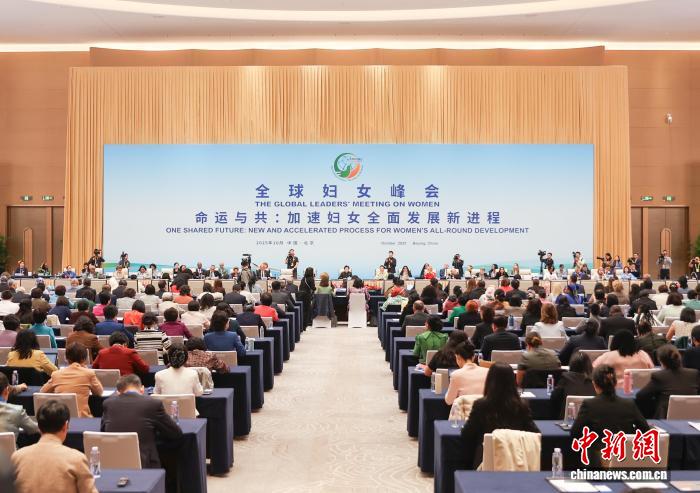
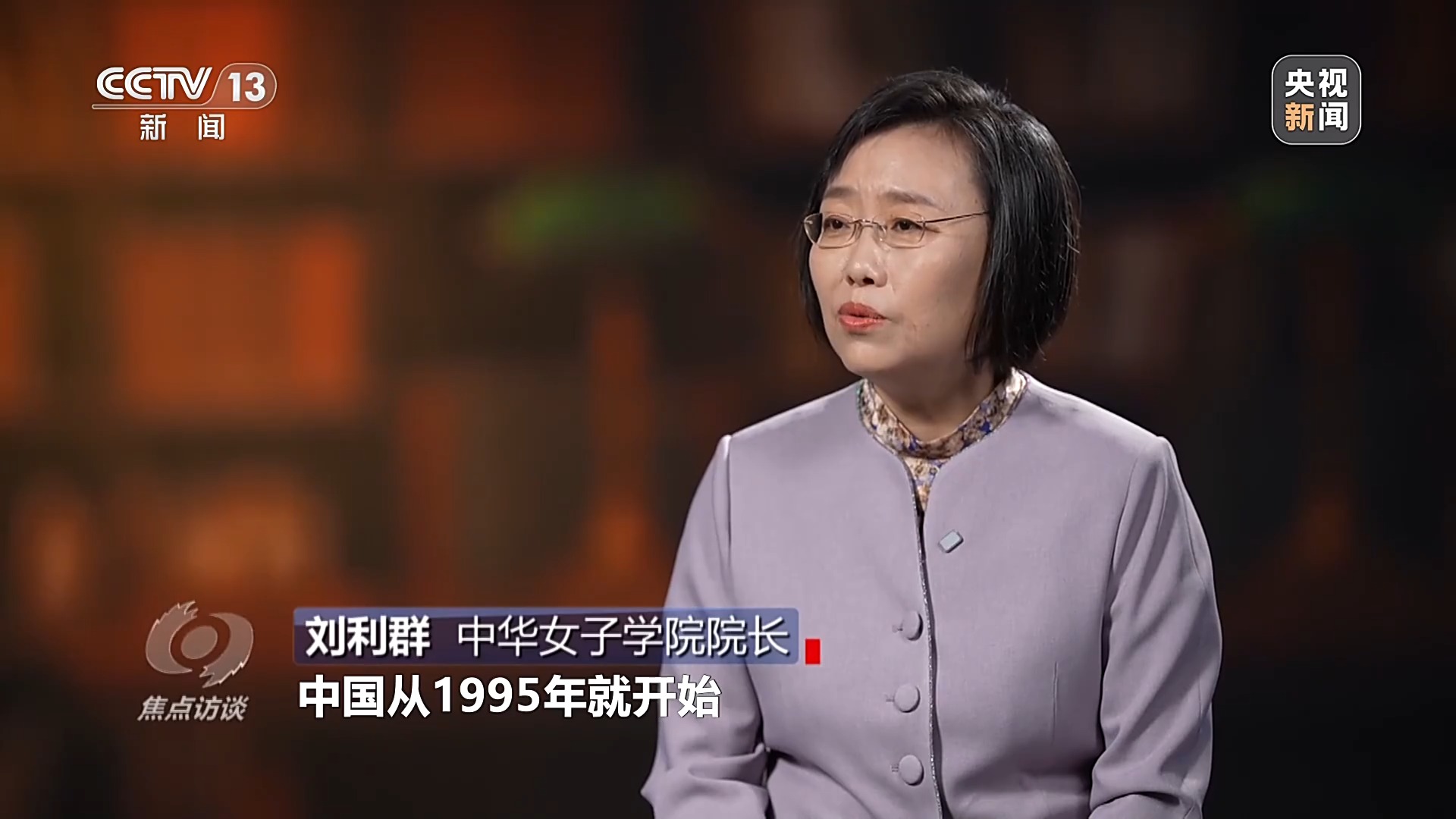
Core Points - The Global Women's Summit held in Beijing commemorates the 30th anniversary of the Fourth World Conference on Women, emphasizing the importance of women's development and gender equality [2][4][6] - President Xi Jinping's speech highlighted the need for collective efforts to accelerate women's comprehensive development through four key initiatives [8][10][12] Group 1: Historical Context - The Fourth World Conference on Women in 1995 established significant goals for gender equality and women's development, leading to the Beijing Declaration and Platform for Action, which remains a guiding document [4][6] - Over the past 30 years, the spirit of the Beijing Conference has driven global advancements in women's rights and empowerment, with many countries implementing national action plans to enhance women's welfare [6][12] Group 2: Current Challenges - Despite progress, significant challenges remain, including geopolitical tensions, violence against women, and a widening gender digital divide, affecting the realization of the UN's 2030 Sustainable Development Goals [8][10] - Approximately 600 million women and girls are still affected by conflict, and about 10% live in extreme poverty, highlighting the ongoing struggles for gender equality [8][10] Group 3: Proposed Initiatives - Xi Jinping proposed four initiatives to foster a conducive environment for women's growth, promote high-quality development in women's affairs, establish governance frameworks to protect women's rights, and enhance global cooperation for women's advancement [10][12][18] - These initiatives are interconnected, emphasizing the need for a supportive environment, economic empowerment, legal protections, and international collaboration [10][12] Group 4: China's Commitment - China has committed to implementing 1,000 "small but beautiful" projects focused on women's and children's welfare over the next five years, alongside inviting 50,000 women for exchange and training [12][18] - The country has achieved significant milestones in women's health and empowerment, including a nearly 80% reduction in maternal mortality since 1995 and the successful integration of women into various sectors of society [12][18]
洋洋大观丨穿着各国最传统的衣 来中国赴自信的“约”
Xin Hua She· 2025-10-14 23:52
Core Viewpoint - The article highlights the global women's summit, emphasizing the beauty, confidence, and cultural pride of women from diverse backgrounds, and their commitment to collaborative progress in women's development [2]. Group 1 - The summit showcases women dressed in colorful attire, symbolizing unity across borders and ages [2]. - The confidence displayed by the women reflects a deep appreciation for their national cultures and craftsmanship [2]. - The event represents a strong belief in the collective advancement of women's rights and opportunities worldwide [2].
推动全球妇女事业发展的重要里程碑——习近平主席主旨讲话为国际社会促进妇女全面发展开辟广阔道路
Xin Hua She· 2025-10-14 14:24
Core Points - The speech by President Xi Jinping at the Global Women's Summit emphasizes the acceleration of women's comprehensive development and highlights China's commitment to global women's issues [1][2][6] - Xi proposed four key suggestions for promoting women's development, including creating a favorable environment, fostering strong momentum for high-quality development, establishing governance frameworks to protect women's rights, and enhancing global cooperation [2][3] Group 1: Achievements and Progress - Over the past 30 years, guided by the spirit of the Beijing Women's Conference, global women's issues have seen significant progress, with 189 countries approving the Convention on the Elimination of All Forms of Discrimination Against Women [2][5] - In China, 690 million women have achieved a moderately prosperous life, and the maternal mortality rate has decreased by nearly 80% since 1995, showcasing the historical achievements of women's development [5][6] Group 2: International Cooperation and Support - Xi announced that China will donate $10 million to the UN Women for the next five years, reinforcing China's role as a leader in promoting gender equality and inclusive education [6][7] - The establishment of a "Global Women's Capacity Building Center" and the invitation of 50,000 women to China for training reflect China's commitment to providing opportunities for women globally [7][8] Group 3: Future Initiatives - China plans to implement 1,000 "small but beautiful" projects in the field of livelihood development, which are expected to address women's and children's health challenges in developing countries [7][8] - The emphasis on technology and innovation to empower women and support their participation in green development is seen as a forward-looking approach to address global disparities in women's development [3][5]
新华社评论员:共创全球妇女事业发展美好未来
Xin Hua She· 2025-10-14 14:15
Core Viewpoint - The Global Women's Summit marks a significant milestone in the development of women's affairs globally, with President Xi Jinping emphasizing the achievements over the past 30 years since the Beijing World Conference on Women and proposing new initiatives to advance women's development worldwide [1][2][3]. Group 1: Achievements and Challenges - The past 30 years have seen substantial progress in women's affairs globally, driven by the spirit of the Beijing World Conference on Women, which has enhanced women's roles in various sectors [2]. - Despite advancements, challenges such as war, extreme poverty, and the ongoing pursuit of gender equality remain significant obstacles [2]. Group 2: Recommendations for Women's Development - President Xi proposed four key recommendations to accelerate women's comprehensive development: creating a supportive environment for women's growth, fostering strong momentum for high-quality development, establishing governance frameworks to protect women's rights, and promoting global cooperation on women's issues [3]. Group 3: China's Commitment and Actions - China positions itself as both an advocate and an active participant in promoting gender equality and women's development, integrating these efforts into its modernization practices [4]. - Specific initiatives announced include a $10 million donation to the UN Women, support for 1,000 "small but beautiful" projects benefiting women and girls, inviting 50,000 women for exchange programs in China, and establishing a "Global Women's Capacity Building Center" [4].
洋洋大观 | 穿着各国最传统的衣 来中国赴自信的“约”
Xin Hua She· 2025-10-14 12:30
Core Points - The article highlights the Global Women's Summit, emphasizing the beauty and confidence of women from diverse backgrounds, showcasing their cultural heritage and craftsmanship [2] Group 1 - The event features women dressed in colorful attire, symbolizing unity across borders and ages [2] - The confidence displayed by the women reflects a deep appreciation for their national cultures and a commitment to global collaboration for women's development [2]
中国方案为全球妇女发展提供新路径
Yang Shi Xin Wen Ke Hu Duan· 2025-10-14 08:15
Core Viewpoint - The global women's summit held in Beijing is significant for promoting gender equality and women's comprehensive development, with China playing a leading role in this initiative [1][2]. Group 1: Summit Highlights - President Xi Jinping proposed four key suggestions to accelerate women's comprehensive development, emphasizing international cooperation and the importance of creating a favorable environment for women's growth [2][3]. - The summit coincides with the 30th anniversary of the Beijing World Conference on Women, which established a framework for gender equality and women's development [2]. Group 2: China's Commitment and Achievements - China has made substantial progress in women's rights and development, with 690 million women entering a moderately prosperous society, an average life expectancy of 80.9 years for women, and female enrollment in higher education reaching 50.76% [4]. - The country has been recognized as a leader in global women's development, maintaining friendly relations with over 140 countries and 420 women's organizations [6]. Group 3: Global Context and Challenges - The current global landscape presents both opportunities and challenges for women's development, with significant issues such as violence, discrimination, and economic inequality still prevalent [3]. - The United Nations reports that closing the gender digital gap could benefit 343 million women and girls globally, potentially contributing $1.5 trillion to the global economy by 2030 [3]. Group 4: Future Initiatives - China announced new initiatives to support global women's development, including a $10 million donation to the UN Women, a $100 million fund for global development, and the establishment of a "Global Women's Capacity Building Center" [6]. - The commitment to aid 1,000 "small but beautiful" projects and invite 50,000 women for exchange and training in China reflects a proactive approach to enhancing international women's cooperation [6].