
春运交通安全

Search documents
重要提醒!春运返乡、春节出游,长沙县人注意这些事项→
Xin Lang Cai Jing· 2026-02-13 11:08
Core Viewpoint - The article emphasizes the importance of road safety during the Spring Festival travel season, highlighting various risks associated with highway driving and providing safety reminders to mitigate these risks. Group 1: Highway Interchange Risks - Highway interchanges pose significant dangers, particularly within 500 meters of the interchange, where unfamiliar drivers may make sudden maneuvers such as abrupt braking or lane changes [1][2] - A case is presented where a driver crashed into a guardrail at an interchange due to confusion about which direction to take, resulting in vehicle damage but minor injuries due to safety features [2] Group 2: Long Downhill Sections - Long downhill sections, especially in mountainous areas, can lead to loss of vehicle control if drivers do not reduce speed appropriately [3][4] - An incident is described where a driver lost control while descending a hill, leading to a collision with a guardrail and another vehicle, highlighting the need for proper speed management [4] Group 3: Construction Zones - Construction zones on highways present risks due to varying speeds and complex traffic conditions, increasing the likelihood of rear-end collisions and side-swipe accidents [6][8] - A case illustrates a collision caused by a driver failing to adhere to speed limits in a construction area, resulting in damage to their vehicle [8] Group 4: Slow Driving - Driving at excessively low speeds on fast lanes disrupts traffic flow and can lead to accidents, particularly rear-end collisions [10][12] - A scenario is mentioned where a vehicle moving slowly caused multiple rear-end collisions due to sudden lane changes [12] Group 5: Fatigue Driving - Fatigue driving is a significant risk factor, especially during long trips, as it can impair a driver's ability to control the vehicle [14][15] - An example is provided of a driver who fell asleep after a long drive, resulting in a crash, underscoring the importance of rest before long journeys [15] Group 6: Secondary Accidents - Secondary accidents often occur following an initial incident due to improper handling of the situation, leading to more severe injuries and damages [16][17] - Cases are cited where individuals remained on the highway after an accident, resulting in fatal secondary collisions [17] Group 7: General Safety Reminders - Drivers are advised to plan routes in advance, pay attention to road signs, and maintain safe distances, especially in construction zones [9][13] - The article concludes with a reminder to prioritize safety during travel, encouraging the sharing of safety tips with family [18]
兵团交警发布春运“两公布一提示”
Xin Lang Cai Jing· 2026-02-05 18:10
Core Viewpoint - The article emphasizes the importance of ensuring road traffic safety during the 2026 Spring Festival travel season, which runs from February 2 to March 13, 2026, for a total of 40 days. It highlights the need for effective traffic management to prevent accidents and ensure smooth travel for the public [1][2]. Group 1: Traffic Flow Predictions - The traffic police have predicted a "multi-peak overlap and significant tidal characteristics" in road traffic during the Spring Festival, with a notable intertwining of passenger and freight flows [1]. - Five key traffic flow periods have been identified: 1. February 2 to February 12: Pre-festival preparation and return home initiation period 2. February 12 to February 16: Peak return home period 3. February 15 to February 23: Peak traffic flow period 4. Around March 3 (Lantern Festival): Short-distance travel peak 5. March 7 to March 13: Return journey peak [1]. Group 2: Safety Measures and Recommendations - Traffic participants are advised to check road conditions, traffic control measures, and toll station efficiency in advance, especially focusing on real-time traffic in highway service areas and charging station availability [2]. - In adverse weather conditions, it is crucial to monitor the opening and closing status of toll stations and adjust travel plans accordingly, prioritizing off-peak travel to avoid unfavorable weather [2]. - Traffic management departments will focus on key nodes and critical road sections, enhancing traffic order control, hazard identification, and emergency response to ensure safe travel for workers returning home [2].
海口交警深入客运站开展春运安检
Xin Lang Cai Jing· 2026-02-04 17:29
Group 1 - The core focus of the news is on the traffic safety inspections conducted by Haikou traffic police at the Haikou passenger station during the Spring Festival travel season, aiming to ensure safe travel for the public [1][2] - The inspections involve a thorough check of long-distance buses, focusing on critical components such as braking systems, tire wear, and lighting signals to ensure vehicles are free of faults before hitting the road [1] - Real-time monitoring of operational vehicles is emphasized, with police and monitoring personnel tracking vehicle trajectories and driver conditions to prevent risks associated with prolonged driving and fatigue [1] Group 2 - The inspection team also reviewed the safety management systems of the transport companies, focusing on the implementation of vehicle testing, driver qualification checks, safety education, and emergency training [2] - Issues such as irregular record-keeping and insufficient training frequency were identified, leading to immediate corrective suggestions from the police, who stressed the need for ongoing driver safety education and strict adherence to vehicle safety inspection protocols [2]
陕西发布春运交通安全预警
Xin Lang Cai Jing· 2026-02-04 08:12
Core Viewpoint - The 2026 Spring Festival travel season in Shaanxi Province is expected to see significant increases in traffic volume and safety risks due to adverse weather conditions, high passenger flow, and increased inter-regional travel [1][9]. Group 1: Traffic Safety Risks During Spring Festival - Adverse weather conditions such as low temperatures, rain, snow, and fog are likely to cause road closures, vehicle delays, and increased traffic accidents, particularly in mountainous areas like Qinling and Qinba [2][3]. - High passenger flow is expected to lead to traffic congestion, especially on major highways connecting various regions, with significant increases in vehicle numbers between urban centers and surrounding areas [2][11]. - Traffic violations such as fatigue driving, drunk driving, speeding, and overloading are anticipated to increase, particularly in rural areas where road conditions are often poor [3][13]. - The influx of returning residents for family gatherings and local events in rural areas will exacerbate traffic risks, as these regions may not be equipped to handle the increased vehicle and pedestrian traffic [3][13]. Group 2: Safety Recommendations for Travelers - Travelers are advised to plan their trips carefully, including checking road conditions and avoiding peak travel times, while prioritizing the use of public transportation when possible [4][16]. - Vehicle safety checks are essential before travel, focusing on critical systems such as brakes, tires, and lights, and drivers should ensure they are well-rested to avoid fatigue [4][16]. - Compliance with traffic regulations is crucial, including avoiding distractions while driving and ensuring all passengers wear seatbelts [5][6]. - In adverse weather conditions, drivers should reduce speed, maintain safe distances, and avoid sudden maneuvers to prevent loss of vehicle control [22][24].

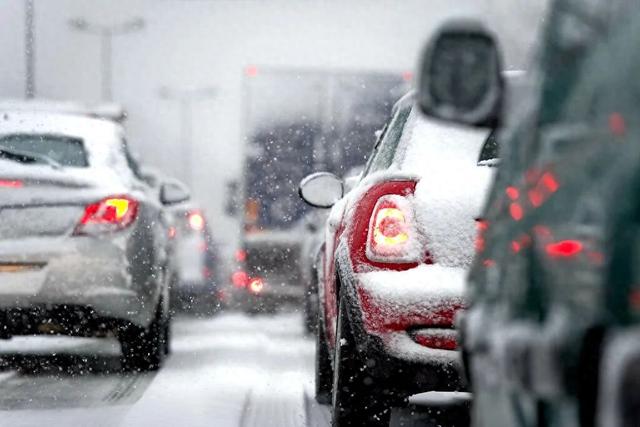
事关春运出行 新疆交警最新提示→
Xin Lang Cai Jing· 2026-02-03 04:22
Core Viewpoint - The 2026 Spring Festival travel season will last from February 2 to March 13, with a total of 40 days, during which small passenger vehicles (7 seats or fewer) will be allowed to travel on highways for free from February 15 to February 23 [1] Group 1: Traffic Flow and Predictions - The traffic flow during the Spring Festival is expected to change in three phases: the first phase from February 2 to February 14 will see a slight fluctuation in highway traffic, with a peak around February 13 [2] - The second phase from February 15 to February 23 will experience a low point in traffic during the New Year's Eve and the first day of the New Year, followed by a peak return flow starting February 22 [2] - The third phase from February 24 to March 13 will see a rapid decline in traffic back to normal levels, with a second peak around March 4 due to workers and students returning [2] Group 2: Traffic Safety and Recommendations - The traffic management department warns that the Spring Festival period is prone to traffic accidents due to complex weather conditions and increased vehicle performance issues caused by low temperatures [2] - Drivers are advised to monitor weather changes, plan routes in advance, check vehicle conditions, maintain safe distances, and adhere to traffic regulations to ensure safe travel [2][9] - Specific recommendations include avoiding night driving, not exceeding passenger limits, and refraining from driving under the influence of alcohol [9]
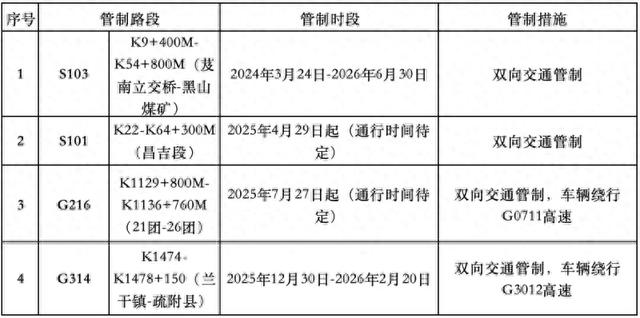
交管部门筑牢春运安全防线
Xin Lang Cai Jing· 2026-02-03 01:15
Group 1 - The 2026 Spring Festival travel season has officially begun, with a focus on traffic safety under the theme "Safe Spring Festival, Traffic Police Together" [1] - Traffic management departments are conducting safety awareness campaigns, including distributing materials and discussing accident cases with passengers and drivers [1] - Emphasis is placed on the importance of choosing legitimate transportation services and avoiding illegal vehicles, as well as the necessity of wearing seatbelts [1] Group 2 - The Fengnan Traffic Management Team is engaging with key groups such as passenger drivers and logistics workers to promote traffic safety during the Spring Festival [2] - Drivers are reminded to conduct pre-trip vehicle safety checks to ensure their vehicles are in good condition and to avoid driving under the influence or while fatigued [2] - A combination of online and offline strategies is being employed to raise awareness about traffic violations, with efforts including distributing materials and sharing safety tips through social media [2]
沈阳交警发布春运交通安全和出行提示
Xin Lang Cai Jing· 2026-02-02 23:09
Group 1 - The 2026 Spring Festival travel season will last for 40 days, starting from February 2 to March 13, with significant traffic flow predictions indicating peak periods for student returns, labor migration, and family visits [1] - During the travel period, there will be a strong demand for the transportation of essential goods such as coal, grain, and New Year goods, with an average daily increase in freight flow of approximately 7% [1] - The traffic pressure will be highest during the return phase after the festival, particularly on the sixth day of the lunar new year, when student and labor returns coincide with family visits [1] Group 2 - Traffic accidents are likely to occur in areas such as elevated bridges, commercial district roads, rural roads, and mixed traffic zones, especially due to low temperatures causing "black ice" on elevated roads [2] - Authorities advise travelers to plan their journeys scientifically, adhere to safe driving regulations, and ensure vehicle safety checks during the Spring Festival travel period [2]
公安部交管局发布春运交通安全提示
Xin Lang Cai Jing· 2026-01-31 18:30
Core Viewpoint - The 2026 Spring Festival travel season is expected to see unprecedented levels of cross-regional personnel movement, leading to increased traffic flow and heightened safety risks [1] Group 1: Traffic Safety Risks - Major traffic safety risks during the 2026 Spring Festival include a concentration of self-driving trips, with small passenger cars likely to be involved in more accidents due to violations [1] - The demand for passenger transport is expected to be high during and after the festival, increasing safety risks for road transport [1] - The longest Spring Festival holiday in history, lasting 9 days, is expected to lead to a trend of "returning home first, then traveling," which raises risks of overloading, fatigue driving, and illegal operations [1] Group 2: Alcohol-Related Risks - Increased social gatherings during the festival, including dining and drinking, heighten the risk of accidents caused by drunk driving [1] Group 3: Safety Recommendations - The Ministry of Public Security advises travelers to check traffic conditions and weather forecasts in advance, plan travel times and routes wisely, avoid speeding, and refrain from driving while fatigued [1] - Drivers are urged to maintain focus, especially when using assisted driving features, and to ensure full control of the vehicle at all times [1] - Recommendations for highway driving include maintaining safe distances, avoiding lane changes, and being cautious on rural roads, particularly in challenging conditions [1] - Passengers are advised to purchase tickets at official transport stations and to always wear seatbelts [1]
“先回家、再出游”趋势明显 公安部交管局发布春运交通安全提示↓
Yang Shi Wang· 2026-01-31 02:11
Core Viewpoint - The 2026 Spring Festival travel season will begin on February 2 and end on March 13, with an expected record high in cross-regional personnel flow during this period [1] Group 1: Traffic Safety Analysis - The analysis indicates a concentration of self-driving trips during the 2026 Spring Festival, with the number of small passenger cars in China reaching 321 million, and self-driving trips expected to account for around 80% of travel [4] - In the past three years, traffic accidents involving small passenger cars during the Spring Festival have resulted in over half of the fatalities and more than 70% of major accidents, with a high incidence of illegal driving [4] Group 2: Travel Demand Characteristics - The overall cross-regional personnel flow during the Spring Festival is characterized by a relatively dispersed pattern before the holiday, a peak in tourism during the holiday, and a highly concentrated flow after the holiday [5] - The longest Spring Festival holiday in history will last for 9 days, leading to increased road passenger demand, particularly during peak periods, which may strain transport capacity in key areas and popular routes [7] Group 3: Safety Risks and Recommendations - The Ministry of Public Security emphasizes the safety risks associated with emerging travel methods such as ride-hailing and carpooling, especially in popular tourist destinations where the safety risks for tourist buses are relatively high [9] - Increased gatherings during the holiday season raise the risk of drunk driving, with the proportion of fatalities from drunk driving during the Spring Festival significantly higher than on regular days [11] - Recommendations for self-driving travelers include checking traffic conditions and weather forecasts in advance, planning travel times and routes wisely, avoiding speeding and fatigue driving, and ensuring full attention while driving [15]
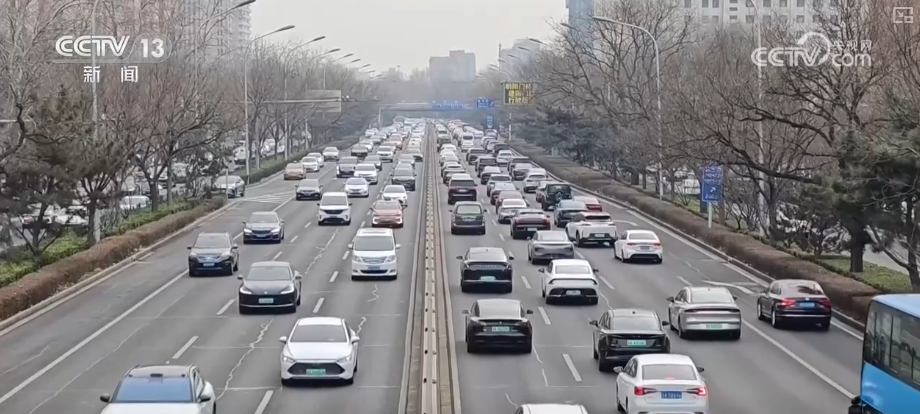
公安部交管局发出春运交通安全提示
Xin Lang Cai Jing· 2026-01-31 01:56
Core Viewpoint - The 2026 Spring Festival transportation period is expected to see unprecedented levels of cross-regional personnel movement, leading to increased road traffic and safety risks [1] Group 1: Traffic Safety Risks - The main traffic safety risks during the 2026 Spring Festival include concentrated self-driving trips, which may lead to frequent traffic violations and accidents involving small passenger cars [1] - There is a high demand for passenger transport during the middle and after the festival, increasing safety risks on road transport [1] - An increase in rural returnees and vehicles may lead to collisions and rollover accidents [1] - The prevalence of gatherings during the holiday raises the risk of drunk driving [1] - The busy freight transport before and after the holiday presents significant safety risks [1] - Fluctuating weather conditions may adversely affect travel [1] Group 2: Safety Recommendations - Drivers are advised to check traffic conditions and weather forecasts in advance, plan travel times and routes reasonably, avoid speeding, and refrain from driving while fatigued [2] - It is crucial to maintain a safe distance while driving on highways, follow traffic rules in congested areas, and avoid sudden lane changes [2] - In case of accidents or vehicle breakdowns, the protocol is to move the vehicle to the side, evacuate passengers, and call for help [2] - Drivers should exercise caution on rural roads, especially in challenging conditions such as sharp turns, steep slopes, and narrow passages [2] - During low-temperature, rainy, or icy conditions, it is advisable to minimize driving and conduct vehicle safety checks before travel [2] - Passengers should only board buses at official stations, avoid illegal transport options, and always wear seatbelts [2]