
Fuel hedging

Search documents
Southwest Airlines’ Move to Give Up Fuel Hedging Program Is Proving Costly as Oil Surges
Barrons· 2026-03-24 19:50
Southwest Airlines' Move to Give Up Fuel Hedging Program Is Proving Costly As Oil Surges - Barron's Southwest Airlines' Move to Give Up Fuel Hedging Program Is Proving Costly as Oil Surges Skip to Main Content This copy is for your personal, non-commercial use only. Distribution and use of this material are governed by our Subscriber Agreement and by copyright law. For non-personal use or to order multiple copies, please contact Dow Jones Reprints at 1-800-843-0008 or visit www.djreprints.com. By Andrew Bar ...

Southwest Airlines' Move to Give Up Fuel Hedging Program Is Proving Costly As Oil Surges
Barrons· 2026-03-24 19:00
Southwest Airlines picked the wrong time to give up its fuel hedging program. ...

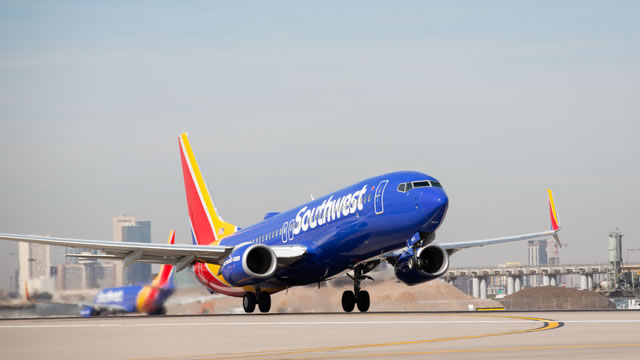
First European airline cancels flights as jet fuel prices soar
Yahoo Finance· 2026-03-17 18:22
SAS is the largest carrier so far to cancel flights because of the jet fuel crisis - Omar Havana/Getty Images Scandinavia’s largest airline has become the first major carrier in Europe to scrap flights because of surging fuel prices triggered by the US-Iran war. Scandinavian Airlines System (SAS), the flag carrier for Denmark, Norway and Sweden, said on Tuesday that it will scale back flights in response to the “sharp ⁠and sudden increase” in jet fuel costs. The Stockholm-based company said tha ...
US cruises sail into higher costs as oil prices rally; Carnival could be hardest hit
Reuters· 2026-03-16 11:50
Core Viewpoint - The cruise industry is facing increased operational costs due to rising oil prices, with Carnival Corp expected to be the most adversely affected as it does not hedge fuel costs [1][3]. Fuel Cost Impact - Oil prices have surged over 35% since the onset of the conflict in Iran, with Brent futures exceeding $100 per barrel, raising concerns about global supply [2]. - A 10% increase in fuel costs could reduce Carnival's 2026 net income by $145 million, significantly more than the $57 million impact on Royal Caribbean [3]. - In 2022, Carnival's fuel costs constituted 17.7% of total revenue, compared to 12.1% for Royal Caribbean and 14.2% for Norwegian Cruise Line [5]. Company Strategies - Carnival has opted not to hedge fuel prices, focusing instead on reducing fuel consumption, which has decreased by 18% since 2011 despite a 38% increase in capacity [6]. - The company claims that it does not see long-term benefits in hedging fuel costs [6]. Market Dynamics - The cruise industry is currently in its "wave season," the busiest booking period, which could be affected by rising fuel costs and consumer hesitation [8]. - Despite having no direct exposure to the Middle East, the conflict may lead to increased consumer reluctance for bookings, particularly for higher-priced transatlantic cruises [9].

Jet fuel prices are rising. That could make summer flights more expensive
Yahoo Finance· 2026-03-14 04:02
Group 1: Impact of Rising Jet Fuel Prices - Jet fuel prices are increasing due to disruptions in global oil supplies caused by the war in the Middle East, leading to cost pressures on airlines as the summer travel season approaches [1] - Experts predict that airfare increases are imminent, particularly affecting long-haul international routes that consume more fuel [1][2] - The average price of jet fuel in the U.S. reached $3.99 per gallon, a significant rise from $2.50 prior to the war, indicating a sharp increase in operational costs for airlines [4] Group 2: Airline Responses and Strategies - Some airlines outside the U.S. have already implemented fare increases or fuel surcharges to mitigate rising expenses, while U.S. airlines are expected to follow suit soon [2] - United Airlines CEO Scott Kirby indicated that airfare increases will likely occur quickly as fuel costs escalate [2] - Airlines utilize fuel hedging to protect against price spikes, but not all airlines hedge, and those that do may only cover a portion of their fuel needs, making them vulnerable to prolonged price surges [6] Group 3: Geopolitical Factors Affecting Oil Supply - The war has led to reduced oil exports from major producers like Kuwait, Saudi Arabia, and Iraq, further constraining supply [2] - Iran's attacks on commercial ships and oil infrastructure in the Persian Gulf have disrupted traffic through the Strait of Hormuz, a critical passage for global oil supply [3] - Airspace closures in the Middle East are forcing airlines to reroute flights, resulting in longer routes and increased fuel consumption, thereby raising operational costs [7]

Jet fuel surge pushes airline fares higher
MoneySense· 2026-03-13 05:48
Core Viewpoint - The surge in jet fuel prices, driven by geopolitical tensions, is prompting airlines worldwide to increase fares, significantly impacting operational costs and pricing strategies. Group 1: Impact on Airlines - Air Canada reported spending over $5.1 billion on jet fuel in 2024, constituting 24% of its operating costs, marking it as the largest expense for the carrier [1] - WestJet indicated that the recent increase in fuel prices has made operating flights more expensive, suggesting further fare adjustments may be necessary [1] - Air Transat has already implemented higher fuel surcharges for flights to Europe and is raising fares on peak travel dates and less competitive routes [2] Group 2: Jet Fuel Price Trends - Jet fuel prices surged by 81% last week and were 52% higher than levels recorded on February 27, with prices reaching nearly US$4.37 per gallon [3] - The global price of jet fuel increased from approximately US$2.41 per gallon on February 27 to US$3.67 on the following Tuesday, reflecting a significant rise in crude oil prices [3] Group 3: Economic Implications - Ticket prices for flights from Canada to Europe may increase by $100 to $200, and up to $400 for flights to Asia, as noted by an aviation management expert [9] - Prolonged fuel disruptions could have broader economic repercussions, as airlines and related industries may pass increased costs onto consumers [11] - The ongoing conflict in Iran has severely disrupted oil supply, with three-quarters of Gulf countries' oil production taken off the market, leading to unprecedented supply loss [12] Group 4: Vulnerability of Budget Airlines - Budget airlines, such as Flair Airlines, are particularly susceptible to rising fuel costs due to narrower profit margins and reliance on lower-priced tickets [14] - If ticket prices rise excessively, budget airlines risk losing a significant portion of their customer base [14] Group 5: Hedging Strategies - Many airlines employ hedging policies to mitigate the risks associated with fluctuating fuel prices, acting as a form of insurance against price shocks [15]
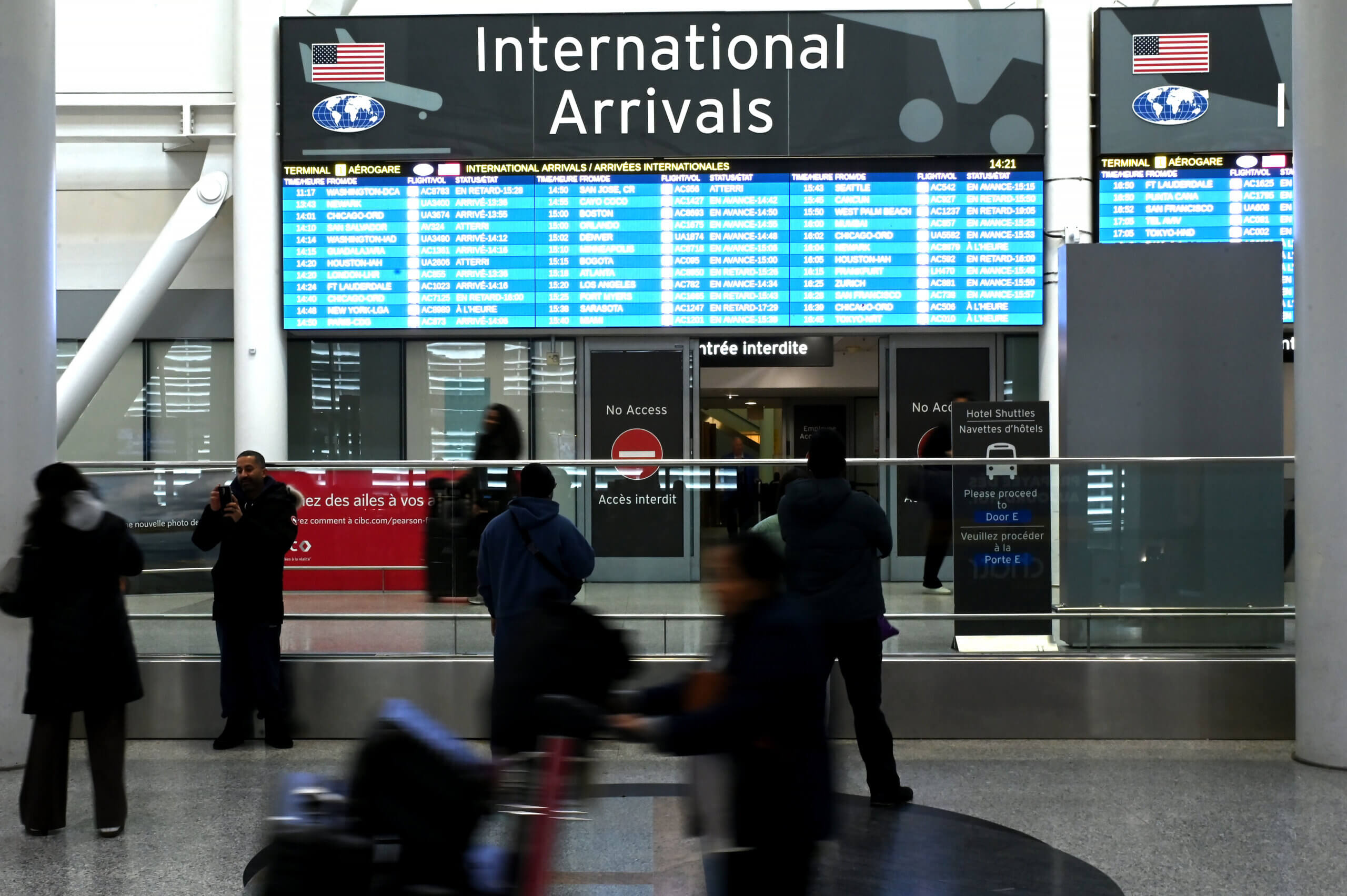
Only 3 U.S. Airlines Can Remain Profitable at Current Oil Prices
Yahoo Finance· 2026-03-12 23:00
Core Viewpoint - U.S. airlines are facing potential earnings pressure due to rising oil prices amid the escalating conflict with Iran, with only a few airlines likely to remain profitable at current fuel costs [1][3]. Group 1: Oil Price Impact - Crude oil prices surged over 9% recently, raising concerns about disruptions in energy markets, particularly around the Strait of Hormuz [1]. - Fuel costs constitute approximately 15% or more of airline operating expenses, making airlines particularly vulnerable to price fluctuations [2]. Group 2: Hedging Strategies - Airlines typically employ hedging strategies to manage oil price volatility, aiming for predictable fuel costs [2]. - U.S. airlines have largely moved away from fuel hedging in recent years, increasing their exposure to sudden price spikes [1]. Group 3: Profitability Outlook - According to UBS analyst Atul Maheswari, only Delta Air Lines, United Airlines, and Southwest Airlines are expected to generate minimal profits if fuel prices remain at or above $4 per gallon [3]. - Other major airlines are projected to incur significant losses at current oil prices [3]. Group 4: Airline Resilience - Delta and United Airlines are less sensitive to fuel price shocks due to higher operating margins and the ability to pass costs onto consumers [4]. - Delta Air Lines benefits from owning a refinery, providing a partial hedge against fluctuations in jet fuel prices [4]. Group 5: Southwest Airlines' Strategy - Southwest Airlines has historically utilized aggressive fuel hedging strategies, which have provided substantial cost savings [5]. - Despite being a low-cost carrier, Southwest has maintained significant downside protection through its hedging practices [5].

Oil price correction gives Lufthansa shares lift-off
MarketWatch· 2026-03-10 13:28
Core Viewpoint - Lufthansa shares have increased by 7% as the airline outperforms its peers due to effective fuel hedging strategies and a significant portion of revenue from airfreight operations [1] Group 1: Company Performance - Lufthansa has seen a notable rise in its stock price, continuing to outperform rival airlines since the onset of the conflict in Iran [1] - The airline's performance is attributed to its above-industry-average fuel hedging strategy, which mitigates the impact of rising jet fuel prices [1] - A larger proportion of Lufthansa's revenue comes from airfreight operations compared to its competitors, contributing to its financial resilience [1] Group 2: Market Context - The overall airline sector in Europe experienced a rise as oil prices fell, indicating a broader market trend [1] - The correction in oil prices has provided a favorable environment for airlines, particularly benefiting those with strong hedging strategies like Lufthansa [1]

United Airlines CEO: Fuel spike will hit results, but travel demand hasn't taken 'even a tiny step back'
CNBC· 2026-03-06 13:22
Core Viewpoint - The spike in fuel prices due to geopolitical tensions is expected to significantly impact United Airlines' financial results, although demand remains strong. Group 1: Fuel Price Impact - Jet fuel prices have surged 58% since the recent conflict began, reaching $3.95 per gallon [2] - The increase in fuel costs is anticipated to have a "meaningful" effect on the carrier's financial results for the current quarter [1][2] - If fuel prices continue to rise, the impact will also be felt in the second quarter [2] Group 2: Demand Resilience - Despite rising fuel costs, travel demand has shown resilience, with booked revenue up 20% compared to the previous year [4] - The CEO noted that demand has not decreased at all, indicating strong consumer interest in air travel [4] Group 3: Fuel Hedging Practices - United Airlines, like most major U.S. carriers, does not engage in fuel hedging, which could mitigate the impact of rising fuel prices [3] - The CEO mentioned that hedging the crack spread is particularly challenging, complicating efforts to manage fuel costs [3]
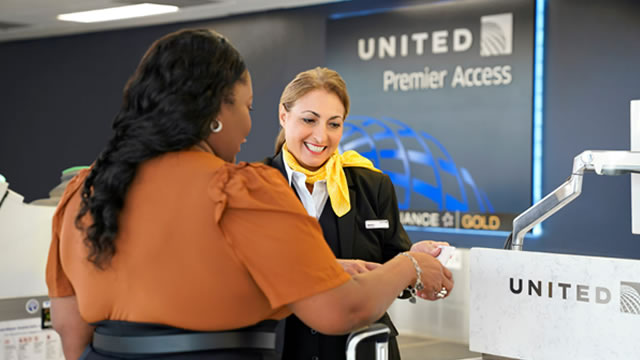
Middle East conflict to unleash new era of soaring air fares
Yahoo Finance· 2026-03-05 17:14
Core Insights - The ongoing conflict in the Middle East is leading to increased airfares due to rising fuel prices and airport closures [2][3] - Airlines are facing higher operational costs as they are forced to divert flights, adding to fuel expenses [3][5] Fuel Prices and Airline Costs - Jet fuel prices have surged to a four-year high following US actions against Iran, significantly impacting airline costs [3] - Airlines typically hedge fuel costs, but as these protections expire, fare increases are expected [3][4] Impact on Airfares - Fares to Australia have already increased by £400 for Easter, with projections indicating a 30% to 40% rise in prices through the summer due to reduced seat availability [4] - The conflict may lead to a chronic capacity shortage on long-haul flights, further driving up prices [5] Airline Share Prices - Airline share prices have declined since the onset of the conflict, with International Airlines Group (IAG) shares dropping 17% since Monday [6] - IAG has hedged 80% of its fuel needs for March and 70% for the second quarter, but this drops to less than 60% for the summer months, exposing them to higher costs if the conflict continues [6][7] Fuel Hedging Strategies - Low-cost carriers like Ryanair have robust fuel-hedging policies, with 84% hedged at $77 per barrel for the current quarter [8]