Plastic pollution

Search documents
X @The Economist
The Economist· 2026-02-16 12:20
“It looks like a movie set, you know?”In a photo essay for 1843, Alessandro Gandolfi, an Italian photographer, visited Spain to capture surreal images of life in the plastic sea https://t.co/wHQUvL7r77 ...
Meditation on building a plastic-free world | Vasser Seydel | TEDxGreatPacificGarbagePatch
TEDx Talks· 2025-12-19 16:20
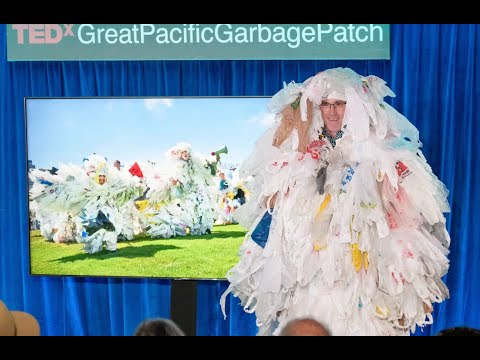
Environmental Impact of Plastics - Plastic pollution is pervasive, with micro and nanoplastics found in various environments, including Antarctica [1][2] - The Great Pacific Garbage Patch is three times the size of California [3] - Plastics are found in crops, blood, brains, reproductive organs, and breast milk, indicating widespread human exposure [4] Plastic Production and Projections - Plastic production has increased dramatically from 2 million tons annually in the 1950s to a projected 460 million tons in 2025 [4][5] - The fossil fuel industry is investing heavily in plastic production as clean energy alternatives scale [4] Call to Action and Solutions - Stopping plastic production at the source is crucial, as cleanup efforts alone are insufficient [5] - Increased awareness and conscious consumer choices are essential to reduce plastic consumption [6] - Aligning personal actions with the desire for a regenerative world can lead to positive change [11]

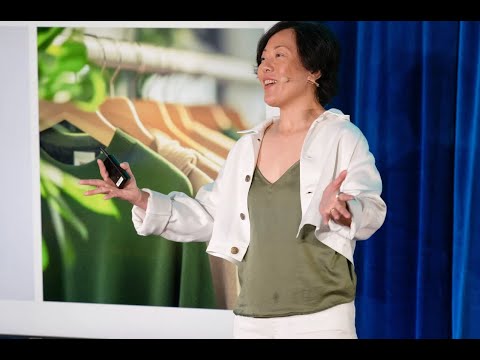
The hidden plastics in your closet | Phoebe Yu | TEDxGreatPacificGarbagePatch
TEDx Talks· 2025-12-16 16:19
Problem Statement & Impact - The fashion industry relies heavily on polyester, a plastic derived from fossil fuels, which constitutes 60% of all textiles [1] - Synthetic textiles contribute to 35% of global microplastic pollution [3] - Polyester production reached 78 million tons last year, enough for 10 new polyester t-shirts for everyone on Earth [3] - Microplastics from textiles are found in water, air, food, and even human bodies, including lungs, bloodstreams, and placentas [4] - Failure to address fashion's plastic problem will hinder efforts to fix overall plastic pollution by 2040 [4] Innovation & Solutions - Companies are developing elastic made from bamboo fiber and natural rubber, certified by the Forest Stewardship Council, offering 11% better stretch without fossil fuels [5][6] - Alternative leathers are being created using grain to mimic collagen, avoiding PU and PVC plastics [6] - Seaweed is being transformed into antimicrobial and flame-resistant textiles [7] - Enzymes are used to capture carbon dioxide and convert it into cellulose fibers [7] - Some brands demonstrate that high-performance sportswear can be made entirely of natural fibers [7] Sustainable Practices & Considerations - New materials must be assessed to ensure they are not more harmful than existing ones [8] - Diverse farming systems that restore and enrich the soil are needed, avoiding monocropping [9] - Sourcing should prioritize existing farmlands, waste streams, and regenerative crops, avoiding deforestation [9] - Harmful chemicals should be avoided, seeking safer alternatives [9] - Materials should be designed for a full life cycle, with biodegradability as a starting point [10] Scaling & Adoption - Solutions must be easy, affordable, and desirable for both consumers and brands [11] - Innovations should fit into existing systems, avoiding massive overhauls or costs [11] - Governments should provide incentives and regulations to support true transformation [11] - Collaboration is essential among innovators, brands, manufacturers, and policymakers [11] Company's Approach - The company uses biomimicry and green chemistry to accelerate natural processes [12] - Regenerative crops and agricultural waste are converted into high-cellulose biomass using enzymes and bacteria [12] - Green chemistry is used to transform biomass into fully biodegradable fibers [13] - This closed-loop system creates value for farmers, fiber makers, and brands [13]
Plastic on Trial | Sumona Majumdar | TEDxGreatPacificGarbagePatch
TEDx Talks· 2025-12-12 17:18
Industry Trend & Problem Statement - The plastic industry faces a growing problem of plastic pollution in air, water, and bodies, similar to past issues with tobacco, asbestos, and lead paint [2] - Litigation is presented as a tool to address the plastic pollution crisis, drawing parallels to successful lawsuits against tobacco, asbestos, and lead paint industries [3][4][5] Litigation Strategies & Impact - Lawsuits are being used across the plastic lifecycle, from production to disposal, to stop harm, require truth, shift responsibility, and force a reckoning with plastic's true costs [6][7][8][9][10] - Lawsuits aim to expose truths, build public narratives, and reframe issues from personal to systemic, influencing public opinion and policy [6][5] - Consumer protection lawsuits challenge companies' claims of harmless or eco-friendly products, forcing honesty and material changes [8] - Public nuisance cases are filed against major corporations like Coke and Pepsi for the costs of cleaning up their plastic products, shifting responsibility from taxpayers [9] Complementary Tools & Future Outlook - Litigation needs to be paired with science, technology, policy, communications, and coalition building for enduring change [11] - The goal is to create a world free of plastic pollution by 2040, as inevitable as smokefree air [12]

Stop buying plastic pollution | Fran Drescher | TEDxGreatPacificGarbagePatch
TEDx Talks· 2025-12-12 17:15
The negative impact of plastic on all our lives is profound. The air, the earth, the seas, and our health has been adversely affected. Now, I'm sure I'm not the first person you've heard say that, but I hope that I can give you a new perspective and show you a better way to live your life more healthfully.Don't be crippled by fear and frustration or stuck in a feeling of helplessness. Plastic is an inanimate object, an invention by short-sighted people so blinded by their devotion to the money god that they ...
The Plastic Bully Playbook | Andy Keller | TEDxGreatPacificGarbagePatch
TEDx Talks· 2025-12-11 16:28
Industry Problem & Analysis - The plastic bag industry's system is designed to create waste and then blame consumers for it [3] - The industry uses tactics similar to big tobacco, including blame, scare, confuse, and influence [11] - After 40 years of recycling efforts, making plastic from virgin oil is still cheaper due to subsidies for the oil industry and a lack of support for recycling [16] - Corporations externalize costs, passing the bill for environmental and health impacts to future generations [17][18] Industry Playbook - Blame: Shift responsibility to consumers, labeling them as "litterbugs" [11] - Scare: Make alternatives seem less appealing by claiming reusable bags carry germs or that bag bans will kill jobs [12] - Confuse: Fund studies and create front groups to disseminate favorable facts to the public [13][14] - Influence: Use money, lobbyists, and lawyers to influence policy at local, state, and federal levels [15] Proposed Solution & Counter-Playbook - Shift incentives to reward companies that take responsibility for their impact with tax breaks and subsidies [18] - The counter-playbook consists of clarity, courage, and collective action [19] - Clarity: Question who benefits from the narrative and follow the money [19] - Courage: Stand up even when afraid [19] - Collective Action: Unite to make change unstoppable [20]
How Seaweed Can Help Replace Plastic and Heal Earth | Sea Briganti | TEDxGreatPacificGarbagePatch
TEDx Talks· 2025-12-11 16:27
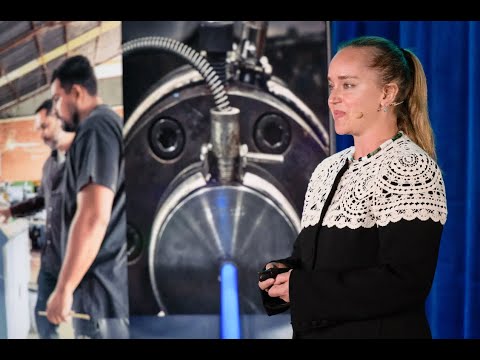
Environmental Impact & Problem Statement - Rio Motagua is a significant source of plastic pollution, acting as an artery carrying plastic into the ocean [1] - Plastic pollution is a disconnection issue, with systems focused on extraction and waste [2] - Microplastics and toxins from polluted rivers are now found within human bodies [2] Proposed Solution & Principles - Addressing plastic pollution requires turning off the "plastic tap" and focusing on regeneration [3] - Two core principles are: design for disappearance (every material should have an end of life) and build with abundance (use regenerative materials) [4] - These principles, initially applied to seaweed, are now used by Lolly in developing ocean-born, biodegradable biomaterials [5] Implementation & Collaboration - Lollware collaborates with Guatemalan manufacturing families to transition from fossil-based plastics to seaweed-based resins [6] - The transition process involves collaboration, experimentation, and learning from failures, with local wisdom leading and technology following [7] Outcomes & Vision - The transition results in new blue-green jobs, toxin-free manufacturing, improved margins, and a just regenerative transition in Guatemala [8] - The vision is a circular flow from ocean to materials, to manufacturing communities, to products designed to disappear into nutrient-rich soil [8] - The goal is a new manufacturing operating system for the planet that reconnects the economy with ecology, envisioning plastic-free regions [9]
The Plastic Problem Hidden in Plain Sight | Gina Ciganik | TEDxGreatPacificGarbagePatch
TEDx Talks· 2025-12-11 16:24
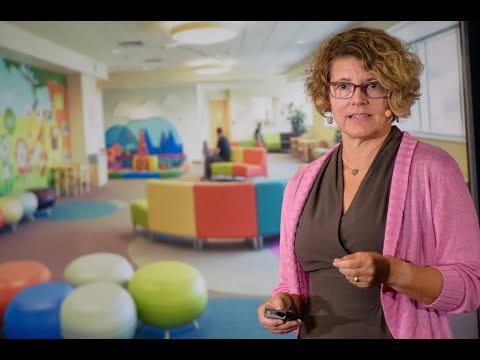
Environmental Impact of Plastics in Buildings - The building sector is the second largest consumer of plastics, often overlooked in plastic reduction efforts [2] - In the US, the amount of plastic discarded as carpet equals the total amount of plastic bottles, bags, and straws combined [2] - Global use of PVC pipes annually could stretch to the moon and back 10 times [3] - Buildings will add 25 trillion square feet globally by 2060, doubling the current amount [4] Health and Safety Concerns - Plastic building materials originate from fossil fuels and contain toxic chemicals, negatively impacting health, especially in children [3] - These materials release significant pollution, including microplastics, into the air, soil, and water [3] - Plastic building materials burn hotter, faster, and more toxic than natural alternatives, as seen in fires [4] Solutions and Alternatives - Shifting to natural building materials is a viable solution to the plastics crisis [9] - Natural materials offer benefits such as longer lifespans, fire resistance, and reusability [9] - Resources like the Informed guide can aid in selecting healthier, non-plastic building materials [7]
The Plastic Health Paradox | Dr. Leonardo Trasande | TEDxGreatPacificGarbagePatch
TEDx Talks· 2025-12-11 16:07
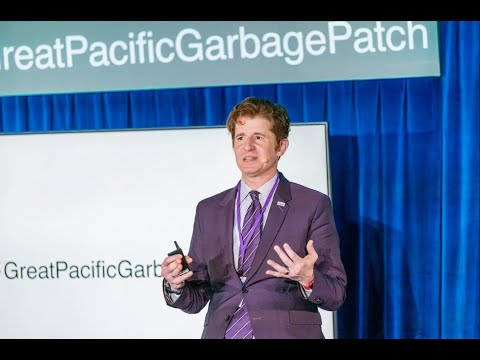
Health Industry Concerns Regarding Plastic Pollution - US hospitals generate 14,000 tons of waste, with 20% being plastic, highlighting the healthcare sector's contribution to plastic pollution [3] - Medical students receive limited environmental health training (1-4 hours), potentially hindering awareness of plastic pollution issues [3] - The industry acknowledges that knowledge about the effects of plastics on human health is evolving rapidly [5][7] Health Risks Associated with Chemicals in Plastics - Chemicals in plastics, such as flame retardants, phthalates, bisphenols, and PFAS, can disrupt hormone signaling, affecting basic biological functions [7][8][9] - Exposure to these chemicals can lead to adverse health outcomes from infancy to adulthood, including metabolic disorders, cognitive deficits, and hormone-sensitive cancers [10][11][13] - Phthalates alone contribute to early heart disease deaths in 50,000 Americans aged 55-64 [12] Economic Impact of Plastic-Related Diseases - Diseases caused by chemicals in plastics cost $249 billion annually in the US, representing 12% of the gross domestic product [13][14] - Globally, these diseases result in 350,000 deaths, with social costs ranging from $510 billion to $374 trillion [15] - The global revenue of the plastics industry is around $500-700 billion annually, indicating that the health costs associated with plastic chemicals outweigh the industry's revenue [15] Call to Action for the Healthcare Industry - The healthcare industry needs to actively reduce non-essential plastic use and incorporate environmental hazard awareness into medical training and practice [20][21] - Routine testing for PFAS in approximately 150 million Americans with contaminated water is recommended, along with medical monitoring and clinical follow-up [17] - The industry has a history of leading in preventing environmental hazards, such as mercury and lead exposure, and can drive change in reducing plastic pollution [21][22]
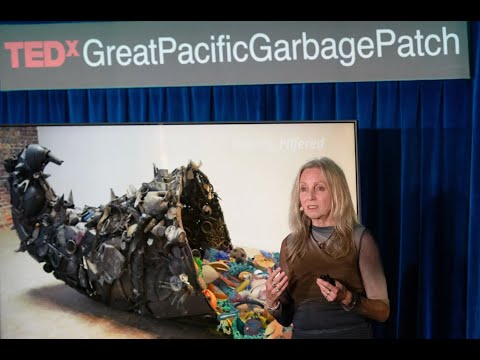
Plastic's Crime Against Nature | Pam Longobardi | TEDxGreatPacificGarbagePatch
TEDx Talks· 2025-12-11 16:06
Environmental Impact of Plastic Pollution - Plastic pollution is a pervasive issue, with plastic waste accumulating in the ocean and being deposited on beaches [2] - The accumulation of plastic waste in the ocean is described as a "crime of greed, negligence, waste, and overconsumption" [3] - Plastic materials are entering the food chain, with creatures ingesting plastic debris, including microplastics [13][14] - Plastic debris can act as "food impostors," with plastic nerdles visually resembling fish eggs, potentially harming marine life [15] Artistic and Activist Response - The artist creates "monuments" from plastic waste to highlight the issue of pollution and its impact [4][6] - The artist views plastic waste as a "zombie material that never dies," emphasizing its persistence in the environment [4] - The artist sees plastic materials as "messages from the ocean," urging people to pay attention to the environmental crisis [19][22] Call to Action - Cleaning up plastic is an act of care and reparation, but it is not sufficient to address the problem [16][17] - The industry needs to hold producers responsible for the plastic waste they generate [18] - The industry needs to reduce plastic consumption and remove plastic from the environment to protect the planet [23]