
Urban Planning

Search documents
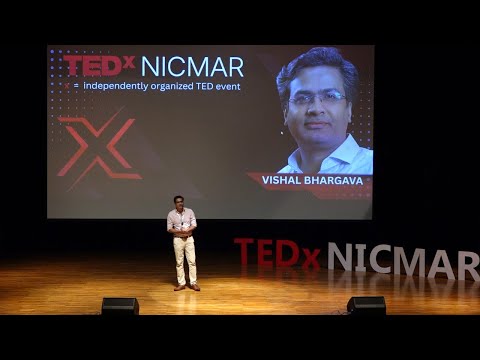
What Happens When Cities Grow Faster Our Thinking? | Vishal Bhargava | TEDxNicmar
TEDx Talks· 2026-02-17 16:14
Growth is Population VS planning of cities accordingly. Population: Example of Bombay & Karachi after 1947; If cities don’t plan then it has a Great Paradox: High Home Prices but Low Quality of Life; 1) Infrastructure Crumbles hurting daily quality of life: Barranquilla, Colombia; 2) Housing Shortage driving up home prices. Creation of Slums: Mexico City; 3) Pollution and environmental damage as cities try to fix housing and infrastructure: Bengaluru. Mr. Vishal Bhargava is a seasoned professional with over ...

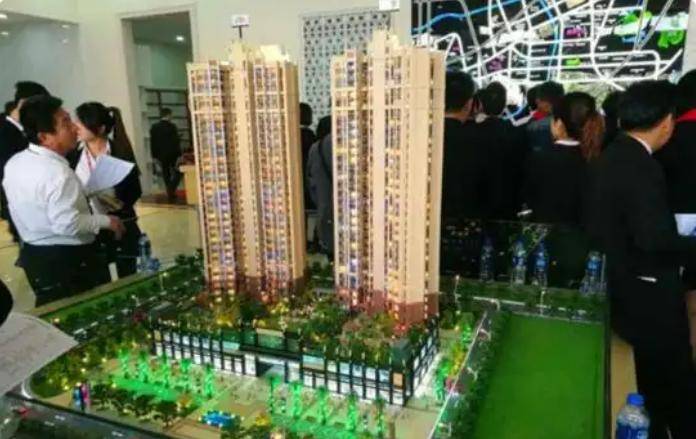
未来10年,房子离这3个地方越近,越有升值潜力,内行人早已看破
Sou Hu Cai Jing· 2026-02-09 04:10
Core Insights - The article emphasizes the importance of identifying undervalued areas for real estate investment, focusing on three key factors that can enhance property value over time: proximity to transportation infrastructure, the presence of industrial parks, and the availability of educational and medical facilities. Group 1: Transportation Infrastructure - Proximity to rail transit, such as subways and high-speed rail stations, significantly increases property values due to enhanced mobility and convenience for residents [2][4] - Land value within a 500-meter radius of a transit station can double within five years after the station opens, with property prices near subway stations typically commanding a 30% to 50% premium over the average district price [4][5] Group 2: Industrial Parks and Economic Development Zones - The establishment of industrial parks attracts businesses and job opportunities, leading to increased housing demand in surrounding areas [5][6] - Properties within a three-kilometer radius of a new industrial park can see price increases of over 50% within five years, transforming previously vacant areas into vibrant communities [5][6] Group 3: Educational and Medical Facilities - The announcement of new schools or hospitals often leads to immediate increases in surrounding property values, as these developments signal government investment and improved local infrastructure [6][8] - Areas with planned educational or medical facilities are likely to experience enhanced community status, leading to long-term property appreciation [6][8] Group 4: Development Signals and Planning - Understanding local government planning documents is crucial for identifying future development potential, as these documents outline growth strategies for the next five to ten years [8][9] - Observing infrastructure changes, such as new roads or public transport adjustments, can provide insights into shifting population trends and potential property value increases [8][9] Group 5: Combined Factors for Maximum Potential - Areas that simultaneously feature transportation infrastructure, industrial parks, and educational or medical facilities represent the highest potential for property value appreciation [9][10] - Identifying undervalued locations that are on the cusp of development can yield significant investment returns, as these areas may currently be overlooked by the market [10][12]
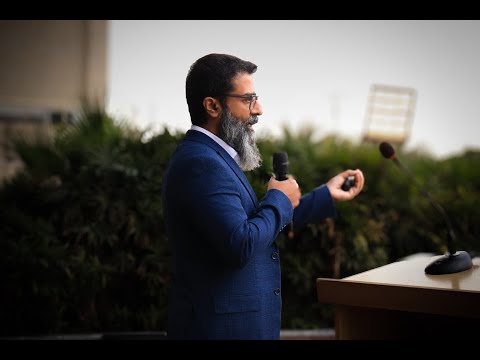
Rediscovering Cities through AI | Momin Uppal | TEDxSICAS DHA Youth
TEDx Talks· 2026-02-02 17:51
Uh ladies and gentlemen, boys and girls, uh what I want to do today is to invite you to start thinking about cities not just as places where you live uh but rather as entities that you interact with that you interface with on a daily basis. Um so if I consider the average breathing rate of any human is 15 breaths per minute. Um you're approximately breathing about 20,000 times more than 20,000 times in a single day.And every time you breathe in, for the case of L'Oreal, the toxic air, you're actually interf ...
X @BBC News (World)
BBC News (World)· 2026-01-24 14:00
How Soviet urban planning is helping Russia freeze Ukraine https://t.co/FHjvBPxo1l ...
X @The Economist
The Economist· 2025-12-14 03:00
Jakarta now encompasses the cities of Bogor, Depok, Tangerang and Bekasi. Yet there is far too little co-ordination among these neighbouring authorities https://t.co/s5uXUHdlKI ...
X @Bloomberg
Bloomberg· 2025-12-08 18:56
Eixample is a district in Barcelona known for its long, straight streets, wide avenues and square blocks with chamfered corners.@FryRsquared explores this carefully-designed neighborhood to uncover the history behind its unique layout.Watch The Infinite Explorer https://t.co/69DkrT3FK4 ...
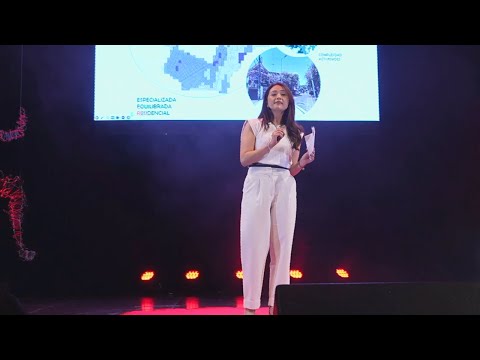
Barrios que respiran: tiempo, memoria y la ciudad que habitamos | Paulina Cepeda | TEDxQuito
TEDx Talks· 2025-11-18 17:06
Hace aproximadamente 6 años, mi madre cruzaba la avenida Loy Alfaro por el paso cebra en el semáforo correcto y un auto la atropelló. Afortunadamente solo se fracturó la muñeca. Comúnmente mi madre realiza sus actividades diarias por el barrio y la ciudad sin auto y muchas veces se ha caído debido a las veredas rotas y otras ha esperado buses que nunca le paran, como si la ciudad no la entendiera o no estuviera hecha para ella.Y ustedes, ¿cuántas veces han sentido que la ciudad no fue hecha para ustedes. En ...
From a Single Voice to an Echo | Mohammad Majidi | TEDxAlef Salon
TEDx Talks· 2025-11-17 17:26
گستافلو در رمان مادام بواری در ابتدای اون رمان دانشآموز تازه وارد به کلاسی رو کلاهشو توصیف میکنه توصیف این کلاه تقریباً دو صفحه از اون رمان طول میکشه. امروز که حدود ۱۷ سال از نوشتن اون رمان میگذره، هنوز طرفدارانش موفق نشدن به نتیجه مشترکی در تجسم اون کلاه برسن. هرچه بیشتر طلاح شده نتایج دورتر شده شاید دلیلش اینه که فلوبر که در ظاهر به شکل اول شخص جمع کلاه رو توصیف کرده توصیف کلاه توصیفی از طرف تمام همکلاسیها یک روایت جمعیه که ترکیبیه از تمام این تکصداها ها و این تکداها هیچوقت در تجسم هیچکس به یه کلاه ت ...
What if cities grew in, not out? | Aaron Harris | TEDxLasVegas
TEDx Talks· 2025-09-12 16:15
Urban Development & Planning - Current urban development prioritizes cars over people, leading to isolation and hindering natural interactions [9][11][12] - Sprawling suburban development leads to economic dead zones and inefficient land use, with 30% of residential space potentially unused [8][9] - Zoning laws and parking requirements often make walkable, mixed-use developments illegal, hindering small businesses and community interaction [18][19] - Reclaiming spaces for people, such as parklets and pedestrian zones, can increase property values, tourism, and improve traffic flow [29][31] - Walkable neighborhoods generate five times more tax revenue per dollar than typical suburban strip malls, and retail space fetches a 90% premium [36] Environmental Impact - Suburban homes use four times as much water as urban residences due to lawns and non-native plants [23] - Sprawling development disrupts ecosystems and water systems, particularly in vulnerable environments like the Mojave Desert [21][22] - Cities spend three times as much per household to provide basic services in sprawling suburbs compared to densely populated areas [26] - The average American spends 55 minutes daily driving and $12,000 annually on car expenses, creating an economic burden [27] Social & Economic Considerations - Car-dependent sprawl contributes to social isolation and mental health issues, as exemplified by Las Vegas ranking as the second loneliest city in America [15] - Collision density, fostered by inward city growth, promotes innovation and economic growth through chance encounters and shared spaces [16] - Third places (coffee shops, parks, plazas) are essential for mental health and economic vitality, but often made impossible by zoning laws [17][18]
X @The Economist
The Economist· 2025-09-07 06:40
Urban Planning Goals - China's Communist Party aims for cities to be "liveable, beautiful, resilient, civilised and smart" by 2035 [1] Implementation Challenges - Implementing the ambitious urban plan might be harder than it sounds [1]