
Mortgage rates

Search documents
Mortgage rates in 2026: 30-year rates at 6.4% and 15-year at 5.9% — Will they finally drop? Experts forecast
The Economic Times· 2025-12-23 18:32
Core Insights - Mortgage rates are drifting lower but not falling rapidly, with a consensus among housing economists that a significant drop in rates in 2026 is unlikely [1][9][24] - Buyers need to reset their expectations regarding mortgage rates and market conditions [1][21] Mortgage Rate Trends - Current national averages show the 30-year fixed mortgage rate at 6.04%, the 20-year fixed at 5.89%, and the 15-year fixed at 5.44% [2][3] - VA loans offer lower rates, with the 30-year VA loan averaging 5.52% and the 15-year VA at 5.17% [3] - Refinance rates are higher than purchase rates, with the 30-year refinance averaging 6.15% and the 15-year refinance at 5.60% [3] Payment Comparisons - A $400,000 loan at 6.04% results in a monthly payment of approximately $2,409 over 30 years, totaling about $467,000 in interest [5] - A 15-year mortgage at 5.44% raises the monthly payment to about $3,256 but reduces total interest to around $186,000, highlighting significant long-term savings [5] Market Dynamics - Home sales may increase by 9-10% due to pent-up demand and improved affordability, although still below pre-pandemic levels [8][26] - The housing market remains tight, with high prices and limited inventory, leading to intense competition [8][12] Economic Indicators - Economists do not anticipate a sharp decline in mortgage rates in 2026, with expectations for 30-year fixed rates to hover around 6.4% [9][15] - Lower inflation and a weakening labor market could drive rates below 6%, but significant changes in economic conditions are necessary for this to occur [10][11] Long-term Outlook - The broader trend shows mortgage rates have decreased from the highs of 2023, but experts caution that rates are likely to stabilize rather than fall quickly [12][14] - Most forecasts suggest rates will not fall below 6% before late 2026, with various organizations predicting rates around 5.9% to 6.4% by then [15][24] Buyer Strategies - Experts advise against waiting solely for lower mortgage rates, as housing supply remains tight and prices are high [21][22] - A more realistic strategy for buyers is to focus on affordability and flexibility within current market constraints rather than waiting for ideal mortgage rates [23][25]


How 'out-of-control costs' are hurting Americans & fueling the affordability crisis
MSNBC· 2025-12-21 19:07
Affordability Crisis - Investopedia's most searched word of the year is "affordability," reflecting widespread concerns about the cost of living [1] - Housing, healthcare, and food costs are major contributors to the affordability crisis, disproportionately impacting working families [2][7][10] Housing Market - The median price for an existing home in America was $415,000 in October, significantly higher than $271,000 five years ago [2] - Housing costs now account for over 33% of the annual budget for many Americans, exceeding the previously recommended 30% threshold [3] - High mortgage rates and home prices make it difficult for first-time homebuyers to enter the market [2] Energy Costs - Electricity bills are rising due to increased demand from data centers supporting AI development and seasonal shifts [5] - In Massachusetts, energy bills have increased by an average of 10% since 2018 [5] Healthcare Costs - Failure to extend Affordable Care Act (ACA) subsidies could lead to a doubling or tripling of healthcare premiums for some families on January 1st [7][8] - Rising healthcare costs may exceed housing costs for some individuals, leading some families to forgo insurance [9][10] Food Costs - Overall food costs are approximately 18% higher than in January 2022, meaning a $100 grocery bill then would now cost $118 [10][11] - Prices for protein sources like beef and chicken have nearly doubled in the last two to three years [12] - Some prices have decreased, such as cocoa (down 43%) and sugar (down 30%), influenced by global markets and factors like GLP-1 medications [12] Economic Disparity - The economy is exhibiting a K-shaped recovery, with those invested in property and the stock market faring well, while others struggle [15][16] - The stock market is near record highs, and there is a record number of 401k millionaires, highlighting the benefits of asset ownership [16] Tariffs and Inflation - Tariffs may be contributing to higher prices in some areas, particularly produce [14] - Inflation is currently around 27%, with the Federal Reserve aiming for 2% [13] Consumer Spending - American consumers are projected to spend over $11 trillion during the holiday shopping season [14] - Many consumers began holiday shopping earlier than usual due to concerns about rising prices [15]
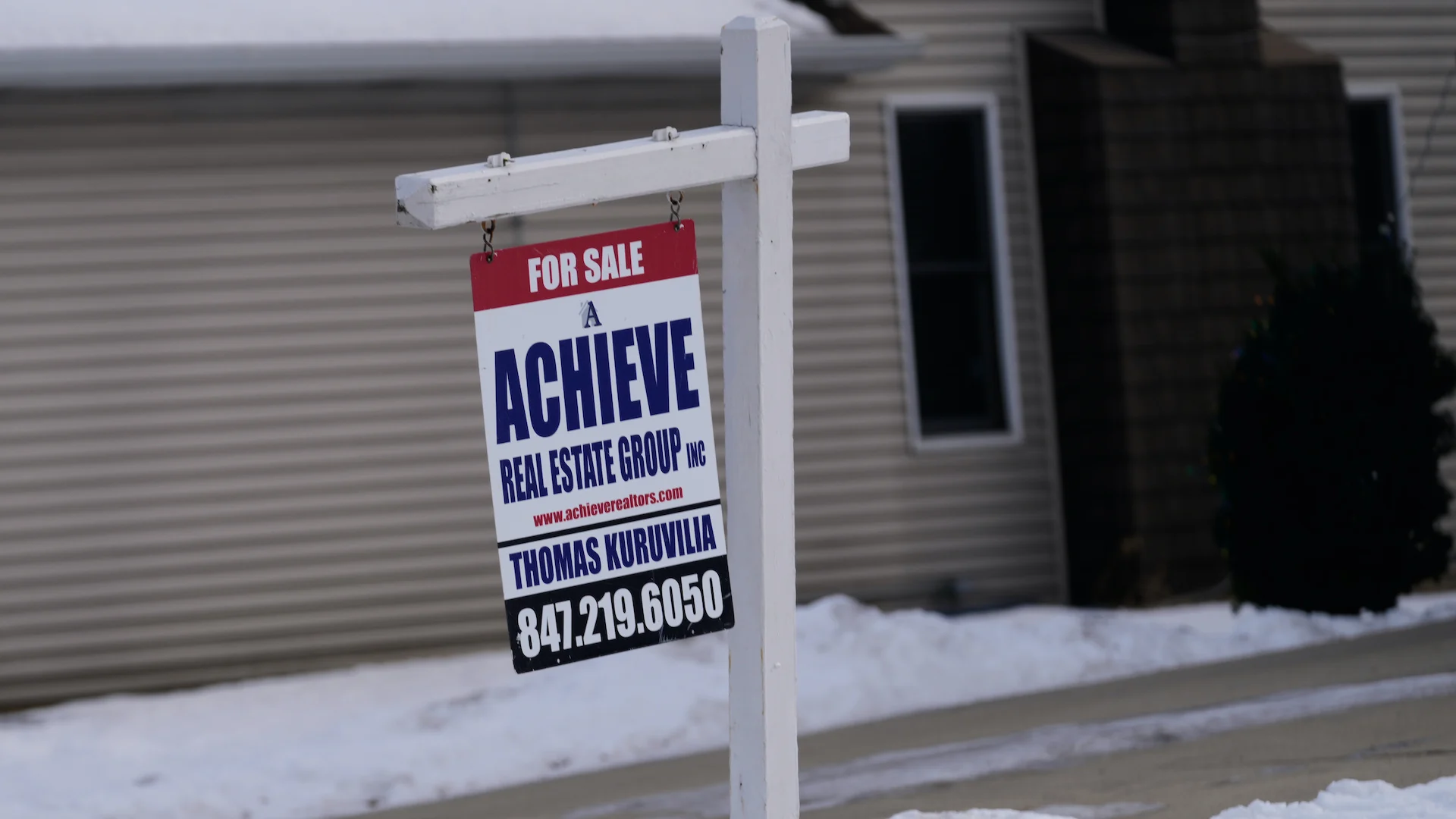
Home sales in USA are up for the month but down for the year
Jamaica· 2025-12-21 05:04
Core Insights - Sales of previously occupied US homes increased by 0.5% in November compared to October, reaching a seasonally adjusted annual rate of 4.13 million units, but fell by 1% year-over-year [2] - The national median sales price for homes rose by 1.2% in November to $409,200, marking the highest price for any November since 1999 [4] - Home sales have been declining, with a 0.5% decrease in sales through the first 11 months of the year compared to the same period last year [2] Sales Performance - Existing home sales rose to an annual rate of 4.13 million units in November, slightly below the expected 4.14 million [2] - Sales of condominiums have decreased by 6.0% this year, contributing to the overall slowdown in home sales [3] - The forecast for existing home sales in 2025 suggests a potential slight decline unless December figures improve [3] Price Trends - Home prices have increased for 29 consecutive months, despite a sluggish housing market that began in 2022 [5] - The current inventory of unsold homes is 1.43 million, down 5.9% from October but up 7.5% from November last year, indicating a tight market [9] Mortgage Rates and Affordability - The average rate on a 30-year mortgage fell to 6.17% at the end of October, the lowest in over a year, providing some relief to homebuyers [6] - Affordability remains a significant challenge, particularly for first-time buyers, who accounted for only 30% of home sales last month, down from the historical average of 40% [7] Market Inventory - The current inventory translates to a 4.2-month supply at the current sales pace, which is below the traditional balanced market range of 5 to 6 months [9] - The number of homes for sale in November decreased from the previous month, despite a wider selection available compared to a year ago [8] Future Outlook - Lawrence Yun, NAR's chief economist, forecasts a 14% increase in existing home sales next year, which is more optimistic than other forecasts ranging from 1.7% to 9% [10] - Economists expect the average rate on a 30-year mortgage to remain slightly above 6% next year [10]

Home sales rose in November, but are down from last year
Fastcompany· 2025-12-19 18:00
Core Insights - Sales of previously occupied U.S. homes increased by 0.5% in November compared to October, reaching a seasonally adjusted annual rate of 4.13 million units, but showed a decline of 1% year-over-year for the first time since May [1][2] - The national median sales price rose by 1.2% in November from a year earlier, reaching an all-time high of $409,200, marking 29 consecutive months of annual price increases [4] - A shortage of homes for sale, particularly in the affordable segment, continues to impact first-time homebuyers, who accounted for only 30% of sales last month, down from a historical average of 40% [7] Sales Performance - Existing home sales are down 0.5% year-to-date compared to the same period last year, with a forecast suggesting that 2025 may see a slight decline unless December figures improve [2][3] - Sales have remained around a 4-million annual pace since 2023, significantly below the historical norm of 5.2 million [5] Mortgage Rates and Affordability - The average rate on a 30-year mortgage fell to 6.17% at the end of October, the lowest in over a year, contributing to a slight boost in sales [5] - Affordability remains a significant challenge for many potential buyers, particularly first-time buyers lacking equity from previous homes [6] Inventory and Market Conditions - There were 1.43 million unsold homes at the end of November, a decrease of 5.9% from October but an increase of 7.5% from the previous year, indicating a tight inventory situation [9] - The current inventory represents a 4.2-month supply at the current sales pace, below the balanced market range of 5 to 6 months [9] Future Outlook - The chief economist of NAR forecasts a 14% increase in existing home sales for next year, which is more optimistic than other forecasts ranging from 1.7% to 9% [10]
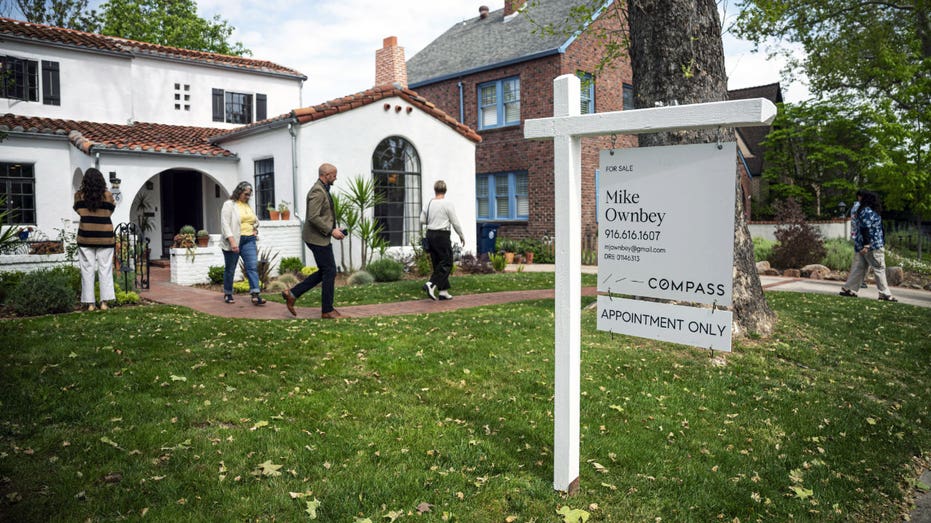
Mortgage rates slip, sticking near 2025 lows
Fox Business· 2025-12-18 21:30
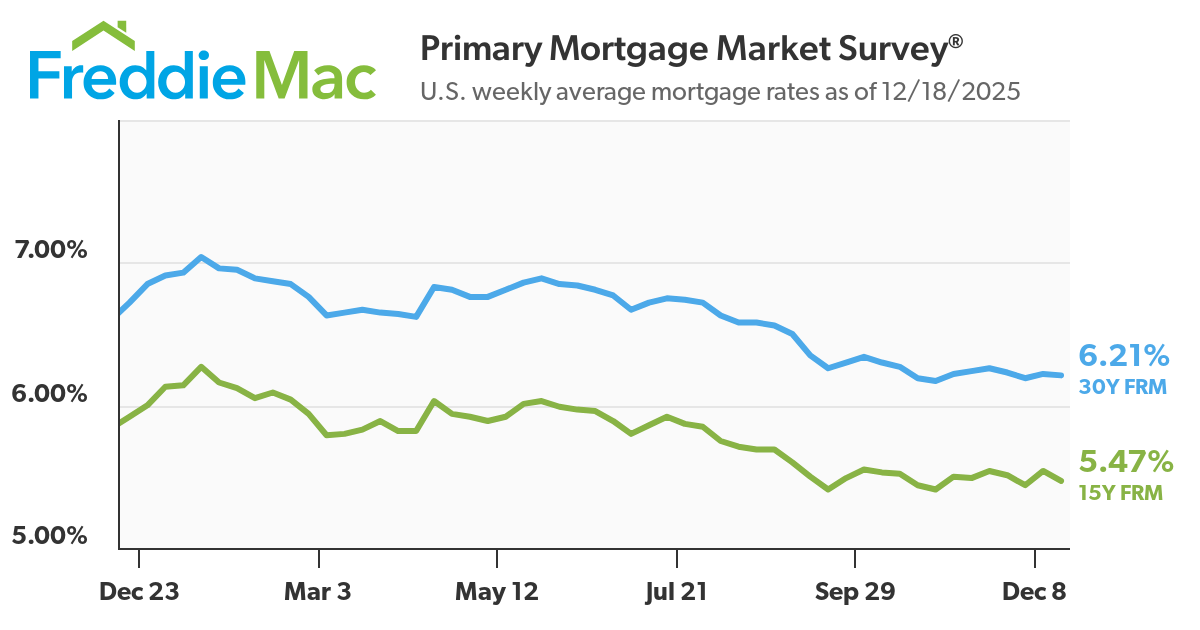
Mortgage Rates - The average rate on the benchmark 30-year fixed mortgage decreased to 6.21% from 6.22% last week, down from 6.72% a year ago [1][3] - The average rate on a 15-year fixed mortgage fell to 5.47% from 5.54% last week [3] Market Trends - Mortgage rates have remained within a narrow 10-basis point range over the last two months, with a decrease of half a percent compared to last year [3] - Purchase applications are 10% above the same time last year, indicating increased buyer activity [3] Economic Context - The Federal Reserve recently lowered the benchmark interest rate by 25 basis points to a range of 3.5% to 3.75%, which indirectly influences mortgage rates [4] - The 10-year Treasury yield was around 4.12% as of Thursday afternoon, which closely tracks mortgage rates [4] Buyer Conditions - Homebuyers are in a more favorable position now than a year ago, with mortgage rates easing into the low-6% range and inventory levels well above last year's [6] - Renters have also seen improved affordability, with rents falling for the 28th consecutive month in November [6]
Former Fed vice chair on future rate cuts: A good bet is to 'wait and see for some time'
Youtube· 2025-12-18 17:47
Joining us now is Pimco, global economic adviser, former Federal Reserve vice chair Richard Clara. It's great to have you here. Welcome back.>> Yeah, always enjoy it. >> So, how much do you read into this inflation print. >> I think there's some good news here.Obviously, distortions with the shutdown and some seasonals. Uh uh but I think you take the good news when you can can get it. Um and I think it reinforces the message out of the Fed last week, which is inflation is still pretty stubborn, but it's it' ...

Average US long-term mortgage rate edges lower, remaining near its low for the year
Yahoo Finance· 2025-12-18 17:03
The average rate on a 30-year U.S. mortgage edged lower this week, staying relatively close to its low for the year. The decline brings the average long-term mortgage rate to 6.21% from 6.22% last week, mortgage buyer Freddie Mac said Thursday. A year ago, the rate averaged 6.72%. Borrowing costs on 15-year fixed-rate mortgages, popular with homeowners refinancing their home loans, also fell this week. The rate averaged 5.47%, down from 5.54% last week. A year ago, it averaged 5.92%, Freddie Mac said. ...
Mortgage Rates Drop Slightly
Globenewswire· 2025-12-18 17:00
Core Insights - Freddie Mac's Primary Mortgage Market Survey indicates that the average 30-year fixed-rate mortgage (FRM) is at 6.21% as of December 18, 2025, showing a slight decrease from the previous week when it was 6.22% [1][5] - The current 30-year FRM is down by half a percent compared to the same time last year, when it averaged 6.72% [1][5] - Purchase applications have increased by 10% compared to the same period last year, reflecting a positive trend in the housing market [1] Mortgage Rate Details - The 15-year FRM averaged 5.47% as of December 18, 2025, down from 5.54% the previous week and lower than the 5.92% average a year ago [5] - The PMMS focuses on conventional, conforming, fully amortizing home purchase loans for borrowers with excellent credit who put 20% down [2]
Mortgage rates move higher after the Fed rate cut, causing loan demand to drop
CNBC· 2025-12-17 12:00
Core Viewpoint - The Federal Reserve's recent interest rate cut has led to an increase in mortgage rates, resulting in a decline in demand for home loans and refinances. Group 1: Mortgage Rate Changes - The average contract interest rate for 30-year fixed-rate mortgages rose to 6.38% from 6.33%, with points increasing to 0.62 from 0.60 for loans with a 20% down payment [2] - Following the FOMC meeting, mortgage rates increased as investors interpreted the comments to indicate the nearing end of the rate-cutting cycle [3] Group 2: Mortgage Application Volume - Total mortgage application volume decreased by 3.8% last week compared to the previous week, according to the Mortgage Bankers Association's seasonally adjusted index [1] - Applications to refinance a home loan fell by 4% for the week, although they were 86% higher than the same week one year ago [4]

Mortgage and refinance interest rates today for December 15, 2025: Little movement since the end of October
Yahoo Finance· 2025-12-15 11:00
Core Viewpoint - Mortgage rates are stable, with the 30-year fixed rate at 6.13% and the 15-year fixed rate at 5.53%, despite a recent interest rate cut by the Federal Reserve [1][17]. Current Mortgage Rates - The national average for the 30-year fixed mortgage rate is 6.13% [1][17]. - The 15-year fixed mortgage rate stands at 5.53% [1][17]. - Adjustable-rate mortgages (ARMs) such as the 5/1 ARM are currently at 6.24% [1][17]. Refinance Rates - Refinance rates are generally higher than purchase rates, but specific current refinance rates were not detailed in the provided content [3]. Monthly Payment Implications - For a $300,000 mortgage at a 30-year term with a 6.13% rate, the monthly payment would be approximately $1,824, resulting in $356,569 in interest over the loan's life [7]. - A $300,000 mortgage at a 15-year term with a 5.53% rate would lead to a monthly payment of $2,456, with total interest paid being $142,085 [9]. Adjustable-Rate Mortgages - ARMs typically start with lower rates than fixed-rate mortgages but can increase after the initial fixed period [10][11]. - The 5/1 ARM locks in the rate for the first five years before adjusting annually [10]. Factors Influencing Mortgage Rates - Lenders offer lower rates to borrowers with higher down payments, excellent credit scores, and low debt-to-income ratios [13]. - Options for reducing interest rates include paying for discount points at closing or temporary buydowns [14][15]. Future Rate Predictions - The Mortgage Bankers Association (MBA) forecasts the 30-year mortgage rate to remain around 6.4% through 2026, while Fannie Mae predicts rates above 6% next year, potentially dropping to 5.9% in Q4 2026 [19].