
两路精神

Search documents
习近平在听取西藏自治区党委和政府工作汇报时强调 全面贯彻新时代党的治藏方略 努力建设团结富裕文明和谐美丽的社会主义现代化新西藏 王沪宁蔡奇参加汇报会
Shang Hai Zheng Quan Bao· 2025-08-20 19:18
Core Points - The central government emphasizes the importance of maintaining political stability, social stability, ethnic unity, and religious harmony in Tibet to promote development [1][3] - High-quality development in Tibet should focus on local characteristics, particularly in agriculture, clean energy, and resource processing industries [2] - The government aims to enhance ecological civilization and promote sustainable development while ensuring the well-being of the local population through various social services [2] Group 1 - Xi Jinping highlighted the significant achievements in Tibet over the past 60 years, attributing them to strong leadership and support from the central government and the people [1] - The focus on promoting the "Five Recognitions" among various ethnic groups is crucial for fostering a sense of community and national identity [1][3] - The government plans to strengthen the governance of religious affairs and promote the integration of Tibetan Buddhism with socialist values [1][3] Group 2 - The development strategy includes advancing major projects like the Yarlung Tsangpo River hydropower project and the Sichuan-Tibet Railway [2] - There is a commitment to improving living standards through employment, education, healthcare, and social security initiatives [2] - The importance of grassroots party organizations in maintaining political integrity and promoting effective governance is emphasized [3]
在建设社会主义现代化新西藏的征程上奋力前行——习近平总书记的亲切关怀和重要讲话鼓舞雪域高原各族干部群众团结同心、再谱新篇
Xin Hua She· 2025-08-20 17:13
Core Points - Xi Jinping's visit to Tibet marks the 60th anniversary of the Tibet Autonomous Region, emphasizing the importance of unity and modernization in the region [1][3][4] - The speech delivered by Xi Jinping highlights significant achievements in economic and social development in Tibet over the past 60 years, particularly since the 18th National Congress of the Communist Party [4][5] - The focus on maintaining political stability, social harmony, and ecological protection is crucial for the future development of Tibet [5][6][8] Economic Development - The region has experienced transformative changes, with improvements in living conditions and infrastructure, such as the opening of the Lalin Railway, which has boosted regional economic growth [5][6] - Local leaders express optimism about the ongoing development, citing increased community engagement and economic opportunities, particularly in agriculture and tourism [7][9] Social Stability - Emphasis on ethnic unity and social stability is a priority, with initiatives aimed at enhancing community governance and promoting cultural integration among different ethnic groups [5][9] - The importance of education and healthcare is underscored, with ongoing efforts to improve these sectors through support from national resources and local initiatives [8][10] Ecological Protection - Xi Jinping's directives on ecological conservation are being actively pursued, with local officials committed to protecting the environment and promoting sustainable practices [6][8] - The role of local communities in environmental stewardship is highlighted, with initiatives aimed at preserving the unique ecological landscape of Tibet [6][7]
习近平的民生之问丨“到墨脱的路通了没有?”
Zhong Guo Xin Wen Wang· 2025-08-20 01:56
Core Points - The article emphasizes the importance of infrastructure development in Tibet, particularly the construction of roads and railways, as a means to improve the lives of the local population and promote economic growth [2][3][4][5][6][7][8]. Group 1: Infrastructure Development - The opening of the first road to Motuo County in 2013 marked a significant milestone, transforming it from a "highland island" to a connected region [2]. - The construction of the Sichuan-Tibet and Qinghai-Tibet highways in the 1950s was a remarkable achievement, enabling vehicle access to Tibet for the first time [3]. - The "Two Roads" spirit, which embodies resilience and unity, has been highlighted as essential for the ongoing maintenance and development of these critical transportation routes [4][5]. Group 2: Economic Growth - By the end of 2024, Tibet's total road mileage is expected to reach 124,900 kilometers, showcasing unprecedented advancements in transportation infrastructure [7]. - The GDP of Tibet is projected to reach 276.5 billion yuan in 2024, representing a 155-fold increase since 1965, with an average annual growth rate of 8.9% [8]. - The development of railways, such as the Lalin Railway, has significantly reduced travel time and improved connectivity, further contributing to economic progress [6][7]. Group 3: Social Impact - Improved transportation links are seen as a pathway to better living standards and opportunities for the people of Tibet, reflecting the broader goal of national unity and development [2][9]. - The ongoing efforts in infrastructure development are viewed as a testament to the commitment to enhancing the quality of life for the Tibetan population [8][9].

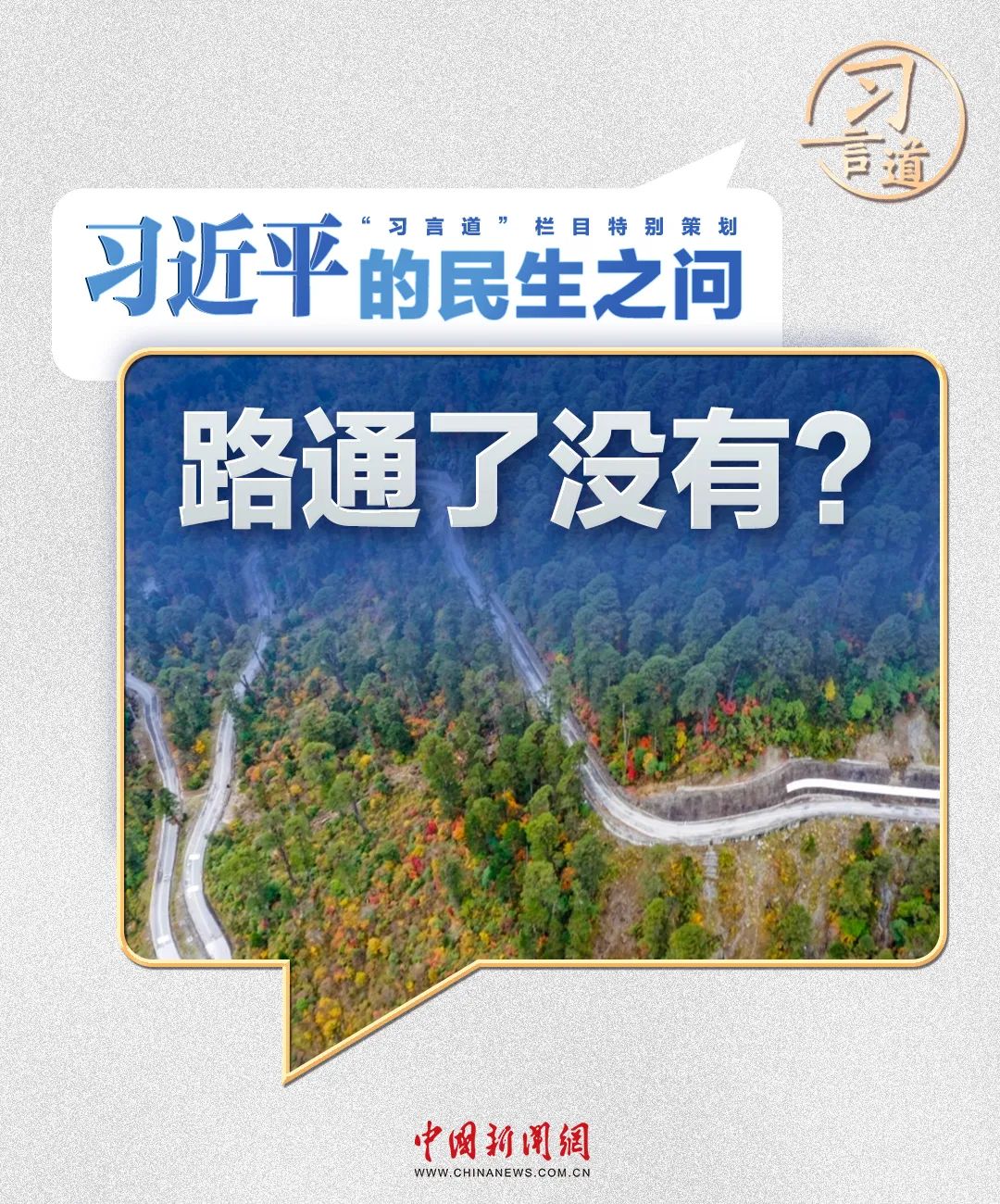
“到墨脱的路通了没有?”
Zhong Guo Xin Wen Wang· 2025-08-20 01:17
Core Points - The development of transportation infrastructure in Tibet has significantly improved the region's connectivity and economic growth [2][7][8] - The opening of the first road to Metok County in 2013 marked a pivotal moment in the region's accessibility, transforming it from a "highland island" to a connected area [2][4] - The "Two Roads" spirit, emphasizing hard work and unity, has been a guiding principle in the development of transportation in Tibet, as highlighted by President Xi Jinping [4][5] Transportation Infrastructure Development - The construction of the Sichuan-Tibet and Qinghai-Tibet highways in the 1950s was a monumental achievement, enabling vehicle access to previously isolated regions [3] - The completion of the Lalin Railway in 2021 has further enhanced transportation efficiency, reducing travel time between Lhasa and Nyingchi to just over three hours [6][7] - By the end of 2024, Tibet is expected to have a total road mileage of 124,900 kilometers, alongside the operation of multiple railways and airports, significantly boosting regional connectivity [7][8] Economic Impact - Tibet's GDP is projected to reach 276.5 billion yuan by 2024, representing a 155-fold increase since 1965, with an average annual growth rate of 8.9% [8] - The improved transportation network is seen as a key driver of high-quality development in Tibet, facilitating trade and tourism [8]