
乡村治理

Search documents
“千万工程”绘就三秦和美乡村新画卷
Shan Xi Ri Bao· 2026-01-20 00:06
Core Viewpoint - The article highlights the successful implementation of the "Ten Million Project" in Shaanxi, which aims to enhance rural revitalization through the "Thousand Villages Demonstration, Ten Thousand Villages Improvement" strategy, leading to significant improvements in rural living conditions and economic development [1][3]. Group 1: Rural Development and Transformation - The transformation of Shenyu Village into a popular tourist destination showcases the positive impact of the "Ten Million Project," with improvements in infrastructure and the development of the tourism industry contributing to the village's appeal [2][3]. - Huanglong County has created 8 provincial-level demonstration villages and 5 city-level key villages, aiming to achieve a comprehensive rural revitalization by integrating urban and rural development [3]. - The overall improvement in rural environments, including sanitation and waste management, is a foundational aspect of the rural revitalization efforts in Shaanxi [3]. Group 2: Cultural and Governance Initiatives - Xiaoqiang Village has successfully integrated filial piety culture into its governance model, resulting in a peaceful community with no reported criminal activities, enhancing residents' sense of belonging and security [4][5]. - The village governance system in Xiaoqiang combines moral, self-governance, legal, and intelligent management, fostering community involvement and improving overall governance effectiveness [5]. Group 3: Economic Opportunities and Innovations - The development of courtyard economies in Liuba County has led to the establishment of various micro-businesses, significantly increasing household incomes, with average annual income rising from 33,000 yuan to 52,000 yuan [6][7]. - The courtyard economy is positioned as a key driver for poverty alleviation and rural prosperity, with plans to create demonstration towns and villages to further promote this initiative [7].
红白理事会“破陋习” 文明新风入人心
Xin Lang Cai Jing· 2026-01-13 04:19
Core Viewpoint - The village of Housunwa has implemented strict regulations for handling weddings and funerals, promoting a culture of simplicity and reducing the financial burden on families [1][2][3] Group 1: Regulations and Standards - The Red and White Affairs Council has established clear standards for weddings and funerals, including limits on the number of vehicles, dishes, and total expenses [1] - Wedding costs are capped at 15,000 yuan, with no more than 6 vehicles and 12 dishes per table, while funeral expenses are limited to 8,000 yuan [1] - A unified limit for gift money has been set, with villagers restricted to 200 yuan and party members to 100 yuan, eliminating the pressure of social comparisons [1] Group 2: Community Support and Involvement - The village has adopted a model of "voluntary service and full agency," where council members assist villagers with planning and executing events, reducing stress and costs [2] - Party members and village leaders have signed commitment letters to promote these new customs, publicly sharing their own event details for community oversight [2] Group 3: Impact on Community and Culture - Since the implementation of these regulations, average wedding costs have dropped from 50,000 yuan to 12,000 yuan, a reduction of over 75%, while funeral costs decreased from 30,000 yuan to 6,000 yuan, an 80% drop [3] - The community has shifted from extravagant celebrations to simpler, more meaningful ceremonies, with a consensus on "thick nurturing and thin burial" [3] - The effective operation of the Red and White Affairs Council has strengthened grassroots governance and increased community cohesion [3]
铜陵乡村治理培育“种子人才”
Xin Lang Cai Jing· 2026-01-12 20:06
铜陵市委社会工作部相关负责人表示,该计划将逐步扩大培训覆盖范围与学员规模,积极链接高校、专 业机构资源,建立持续性的督导与继续教育支持网络,实现人才梯队化、专业化成长,为加快建设宜居 宜业和美乡村贡献专业智慧与力量。 (来源:安徽新闻网) 本网讯(记者 刘洋 通讯员 路璐)近日,铜陵市启动基层社工"种子人才"计划,并向首批"种子学员"颁 发证书。 启动基层社工"种子人才"计划旨在破解乡村社工人才匮乏、专业能力不足、服务持续性不强等突出问 题,为建设和美乡村培育一支扎根本土、结构优、专业强的社会工作"生力军"。铜陵遴选出的首批"种 子学员"以乡村网格员、村"两委"干部、志愿者骨干、社会工作专业大学生等基层一线人员为主,通过 参加"乡村社工实务培训营"等方式,强化学员专业理论武装和解决复杂基层问题的能力。 转自:安徽新闻网 ...
网评 | 用好用活乡土人才“生力军” ——乡村善治系列评
Xin Lang Cai Jing· 2026-01-10 04:04
习近平总书记强调,"激励各类人才在农村广阔天地大施所能、大展才华、大显身手,打造一支强大的 乡村振兴人才队伍"。推进乡村全面振兴,人才是关键。乡村本土人才生于乡土、扎根乡土,既懂村情 民意又有深厚情怀,是乡村全面振兴的"生力军"。用好用活乡村本土人才,让"老把式""土专家""乡创 客"各展其能、相互赋能,方能为乡村全面振兴注入源源不断的内生力量。 搭建平台,让"老把式"发光发热。"老把式"是乡土技艺的传承者、乡村秩序的维系者和文明乡风的守护 者。通过设立"老把式"工作室、非遗工坊等实体空间,支持其带徒授艺、开展创新。建设"线上技能 库",以数字化手段保存和传播技艺,并推动其与文创、旅游等产业融合,让传统技艺在现代生活中焕 发新生。完善乡土人才认定与激励机制,给予荣誉表彰和相应政策倾斜。积极引导"老把式"参与乡村治 理,在村民议事会、红白理事会等组织中担任重要角色。广泛征集他们的意见和智慧,使其在村庄规 划、矛盾调解、乡风引领中发挥实质作用,将乡土威望转化为治理效能。 精准培育,让"土专家"破土成长。"土专家"生长于田间地头,是衔接科技与生产的关键纽带。需紧贴乡 村产业发展实际,围绕品种改良、绿色种植、农机农艺 ...
小积分激发大干劲
Xin Lang Cai Jing· 2026-01-07 22:25
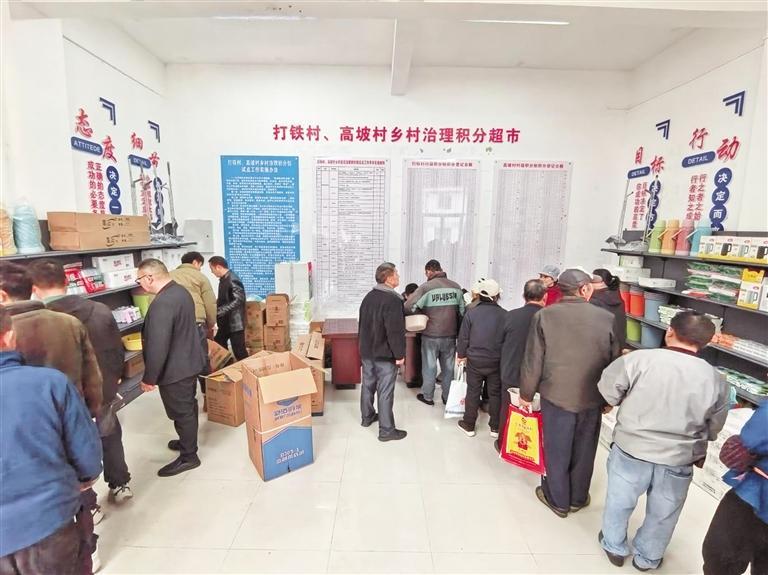
村民在积分超市进行积分兑换。 转自:贵州日报 兑换活动当天,共有两村120名村民代表参与,累计兑换积分860分。同时,两村还组织网格员,对10余名行 动不便的老人开展"积分送到家"行动,将兑换好的商品送到老人手中,让老人们也能切实感受到积分制带来 的实惠。 (文/图 杨刚 张朝贤) 近日,在黔南州贵定县昌明镇打铁村和高坡村的积分超市里,首次积分兑换活动正如期开展。现场人头攒 动、暖意融融,村民们手持积分凭证有序兑换商品。 据悉,此次活动以打铁村、高坡村两个党支部联建为纽带,以两村联建的帮扶车间建设项目分红资金3万余元 为启动资金,聚焦"两清两改两治理"、移风易俗、家庭教育、邻里和谐等多个方面,通过积分兑换,充分调 动村民参与基层治理的积极性,让大家通过"小积分"兑换出实实在在的"大实惠",实现乡村治理从村民"被动 推进"变为"主动参与"。 打铁村党支部书记云大模说:"建立积分超市,就是要以支部联建的形式凝聚合力,引导村民主动参与到乡村 治理中来。"此次积分兑换以1积分兑换10元等价商品的形式开展,精心筹备了30多种农村家庭常用日用品, 全方位满足村民兑换需求。 ...

村规民约“约”出新气象
Xin Lang Cai Jing· 2026-01-05 18:44
Core Viewpoint - The article highlights the transformation of Shaba Village in Wudang District, focusing on improved environmental sanitation and social customs through community governance and regulations [1][2]. Group 1: Community Governance and Regulations - Shaba Village has implemented village rules and regulations to address issues like poor sanitation and social pressures, leading to a significant improvement in the village's appearance and community behavior [1]. - The village has established a "Red and White Council" composed of respected local figures to oversee and promote adherence to new customs regarding social events, thereby reducing the financial burden on families [2]. Group 2: Environmental Improvements - The village has seen active participation from residents in cleaning efforts, with designated public service positions for waste management, resulting in a cleaner living environment [2]. - The community has adopted a new norm of "new weddings, simple funerals, and no other events," promoting frugality and reducing extravagant celebrations, which has significantly lowered the financial pressure on families [2]. Group 3: Future Development Plans - Shaba Village aims to leverage its selection as a national model for beautiful red villages to enhance infrastructure and continue improving living conditions, with a focus on ecological tourism and cultural heritage [2].
添出幸福生活图景
Xin Lang Cai Jing· 2025-12-25 21:26
Core Viewpoint - The article highlights the effective governance and community engagement practices in Tianzi Village, showcasing how local leaders utilize various methods to enhance communication, resolve issues, and foster a sense of community among residents [1][2][3][4][5][8]. Group 1: Community Engagement - Tianzi Village has established a "民情茶馆" (People's Feelings Tea House) where village leaders regularly engage with residents to gather opinions and address concerns, exemplifying a commitment to listening to the community [2][3]. - Village officials are required to visit the tea house at least once a month to maintain direct communication with residents, which has strengthened trust and facilitated smoother implementation of village initiatives [3]. - The village has also revived the tradition of "板凳会" (Bench Meetings), where discussions are held informally in public spaces, allowing for open dialogue and community participation in governance [4]. Group 2: Governance Mechanisms - Tianzi Village has implemented a grid management system, dividing the community into six governance grids, each overseen by a designated grid leader responsible for local affairs [5][6]. - The grid leaders maintain a "民情账本" (People's Feelings Ledger) to document residents' information and concerns, which aids in addressing issues effectively, such as resolving disputes over unauthorized constructions [6][7]. - The village has empowered grid leaders with additional responsibilities and resources, enhancing their ability to manage local affairs and ensuring accountability through performance evaluations [7]. Group 3: Welfare Initiatives - The village has launched a "孝爱生日面" (Filial Birthday Noodles) project, providing birthday noodles to residents over 60, fostering intergenerational connections and community spirit [8][9]. - Monthly health clinics have been established, with medical professionals visiting the village regularly, significantly increasing access to healthcare services for residents [9]. - Initiatives like the "共享花园" (Shared Garden) and "花盆共享计划" (Shared Flower Pot Plan) encourage community participation and beautification, enhancing the quality of life in the village [10].
旬阳市关口镇 | “老倌说事” 赋能乡村治理
Xin Lang Cai Jing· 2025-12-25 10:11
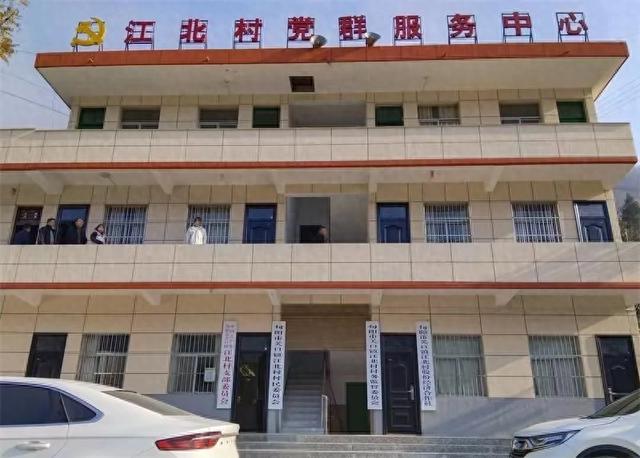
Group 1 - The core issue of the dispute arose from disagreements between a father and son regarding care and support, leading to escalating family conflicts that affected community harmony [1][2] - Despite multiple mediation attempts by village officials, the deep-rooted issues remained unresolved, highlighting a significant challenge in grassroots governance in Jiangbei Village [1][2] - A specialized working group was formed, integrating various local resources, including village committees and respected elders, to conduct targeted mediation, ultimately leading to a resolution of the family dispute [1][4] Group 2 - The "Old Man Talks" mechanism has been effective in resolving grassroots conflicts and enhancing rural governance efficiency, combining local wisdom with legal authority [4] - The mechanism involves retired officials and local influential figures forming a "Silver Wisdom Group" to mediate disputes and gather public opinions, creating a closed-loop work model for better governance [4] - In the current year, the village has conducted 24 discussion and negotiation activities through the "Old Man Talks" platform, resolving 18 disputes and significantly reducing the total number of petitions [4]
北京市政协助力乡村治理 共绘善治同心圆
Xin Lang Cai Jing· 2025-12-25 08:10
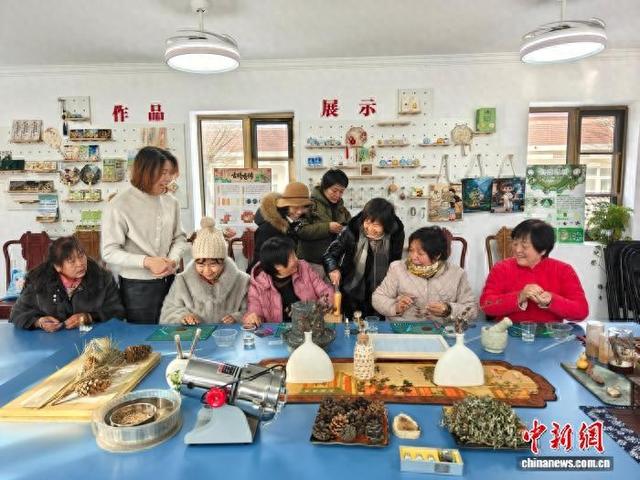
Core Viewpoint - The article discusses the challenges faced by Guxiang Village in the integration of agriculture, culture, and tourism, highlighting the need for support from the Beijing Municipal Political Consultative Conference to enhance local development [1][3]. Group 1: Challenges and Needs - Guxiang Village is experiencing insufficient capacity in catering and accommodation, as well as a shortage of professional talent, which hinders its development [1][3]. - There is a pressing need for a new generation of talent who understand agriculture, operations, and e-commerce to bridge production development and social governance [1][3]. Group 2: Initiatives and Support - The establishment of the Rural Governance Committee Work Studio aims to create a high-quality expert think tank that connects committee members with rural governance needs, fostering innovative models for urban-rural resource collaboration [3][4]. - Activities such as "enterprise-linked villages" and "community co-construction" will be organized to promote mutual development, enhance livelihoods, and cultivate talent [3][4]. Group 3: Expert Contributions - Experts from various fields, including law and agriculture, are contributing to rural governance by providing legal assistance, improving village regulations, and encouraging farmer participation in management [6][7]. - The focus is on respecting farmers' wishes and enhancing their involvement in rural affairs to stimulate their initiative and creativity [6][7]. Group 4: Future Directions - The Rural Governance Committee Work Studio is the 52nd committee studio established by the Beijing Municipal Political Consultative Conference, aiming to address key issues in urban-rural integration and contribute to effective governance [7].
北京市政协成立乡村治理委员工作室
Xin Lang Cai Jing· 2025-12-21 20:41
Core Viewpoint - The establishment of the rural governance committee workspace in Guxiang Village aims to enhance rural governance through collaboration and expert support, addressing both specific community needs and common governance issues [1][3]. Group 1: Establishment and Purpose - The rural governance committee workspace is the 52nd workspace set up by the Beijing Municipal Political Consultative Conference, focusing on modernizing rural governance systems and capabilities [1][3]. - The workspace will leverage the broad connections and professional expertise of committee members to collect public opinions and propose solutions for rural governance challenges [1][3]. Group 2: Recommendations and Strategies - A suggestion was made to develop a rural governance model that aligns with the characteristics of the capital, emphasizing the need for coordinated urban-rural development and optimizing village layouts [2]. - Strategies include fostering central villages, transforming urban villages, and relocating mountainous villages to better meet the modern living needs of farmers [2]. Group 3: Local Development and Challenges - Guxiang Village has developed unique industries, such as traditional tofu-making and honey production, which have led to significant economic benefits, including an annual profit of 80,000 yuan from new ventures [2]. - The village faces challenges related to increased tourism, such as environmental sanitation and insufficient accommodation capacity, highlighting the need for coordinated support from the workspace [2]. Group 4: Future Goals - The workspace aims to create an effective communication bridge between the government and community members, enhancing grassroots governance and exploring a governance model unique to the capital [3]. - It seeks to support the modernization of governance systems in mega-cities like Beijing by promoting multi-party participation and effective governance structures [3].