
贵金属回收

Search documents
钌铱钛网:电解槽里的 “贵金属铠甲”—— 应用场景与回收价值解析
Sou Hu Cai Jing· 2025-08-04 09:56
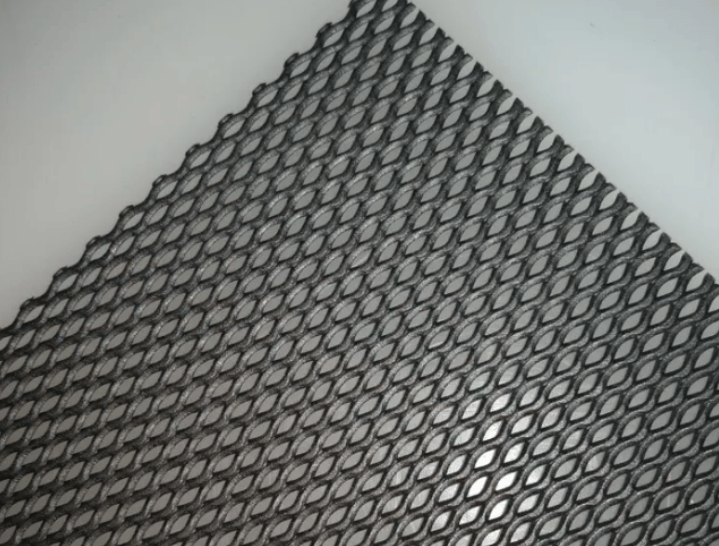
Group 1 - The core advantage of ruthenium-iridium-titanium mesh lies in its role as a dimensionally stable anode (DSA), making it indispensable in three key industries [2] - In the chlor-alkali industry, ruthenium-iridium-titanium mesh acts as the anode in electrolysis, converting brine into chlorine gas, hydrogen, and caustic soda, with a lifespan of 3-5 years under harsh conditions [4] - In the renewable energy sector, this mesh is crucial for hydrogen production through water electrolysis, significantly reducing energy consumption and contributing to carbon emission reductions [5] Group 2 - The ruthenium-iridium-titanium mesh has three layers of value when recycled: the precious metal coating, the titanium substrate, and environmental benefits from reduced mining impact [7] - The precious metal coating contains approximately 60%-70% iridium and 30%-40% ruthenium, with a market value of 3000 RMB per gram for iridium and 60 RMB per gram for ruthenium [8] - The titanium substrate, with a purity of over 99.5%, can be recycled and reused, with a recovery price of 50-80 RMB per kilogram [9] Group 3 - The pricing for recycling ruthenium-iridium-titanium mesh is determined by four key factors: coating residue, titanium weight and condition, market prices, and processing costs [10] - The coating residue is assessed using spectral detection, which directly influences the value of the old mesh [11] - Market fluctuations, particularly in iridium prices, can significantly impact the recycling price, with historical peaks affecting potential returns [12]

贵金属焙烧炉应用及技术特点与优势
Sou Hu Cai Jing· 2025-06-21 23:36
Core Viewpoint - The precious metal roasting furnace designed and manufactured by Yixing Zhibo Environmental Equipment Co., Ltd. is an advanced device that integrates efficient pyrolysis, automated control, environmental protection emissions, and energy utilization, widely applied in precious metal recovery, electronic waste treatment, and sulfide ore processing [5]. Group 1: Technology Features and Advantages - The furnace operates on the principle of pyrolysis and gasification under oxygen-deficient conditions, effectively decomposing organic materials and converting them into combustible components like CO and CH4, which are then burned in a secondary combustion chamber, achieving an outlet gas temperature of 1100℃±50℃ [3]. - The design minimizes dust generation during the roasting process, significantly reducing the risk of precious metals being carried away by dust, while the micro-negative pressure design further decreases the possibility of dust escape [3]. - The furnace is equipped with PLC or DCS control systems for centralized control, monitoring, and management automation, enhancing operational safety and reducing the need for manual intervention [3]. - The energy recovery system allows for effective heat recovery, such as hot water or steam, while the multi-stage purification process ensures harmful substances in the flue gas are efficiently removed, achieving over 99% removal efficiency for smoke, heavy metals, and dioxins [3][4]. - The furnace is adaptable to various waste shapes and sizes, typically requiring no pre-treatment, and features a drawer-type feeding design for convenient operation [3]. Group 2: Application Areas and Case Studies - The furnace is widely used in the recovery of electronic waste, precious metal catalysts, and sulfide ores containing precious metals [3]. - In electronic waste recovery, the furnace is utilized to remove organic materials and carbon from waste catalysts, enhancing precious metal recovery rates, with a design capacity of 1000 tons per year, operating 330 days a year, 24 hours a day [3]. - During the processing of sulfide ores containing gold and silver, the furnace reacts with lime materials to convert sulfides into calcium sulfate, facilitating efficient sulfur removal and precious metal recovery [3]. - In industrial waste utilization projects, the furnace processes solid waste containing precious metals, such as activated carbon and resin, through high-temperature roasting to remove organic components and recover precious metals [3]. Group 3: Compliance and Safety Standards - The operation of the furnace must comply with strict environmental and safety standards, utilizing the "3T+E" control principle (temperature, residence time, disturbance, and excess air coefficient) to ensure complete combustion of hazardous waste and reduce harmful gas emissions [4]. - The control system is required to have comprehensive alarm and safety interlock functions to ensure timely shutdown in abnormal situations, preventing safety incidents [4].