
Belt and Road Initiative

Search documents
Shanghai Electric napája energetickú budúcnosť Iraku rozsiahlym zvýšením efektívnosti s výkonom 625 MW
Prnewswire· 2025-12-22 04:07
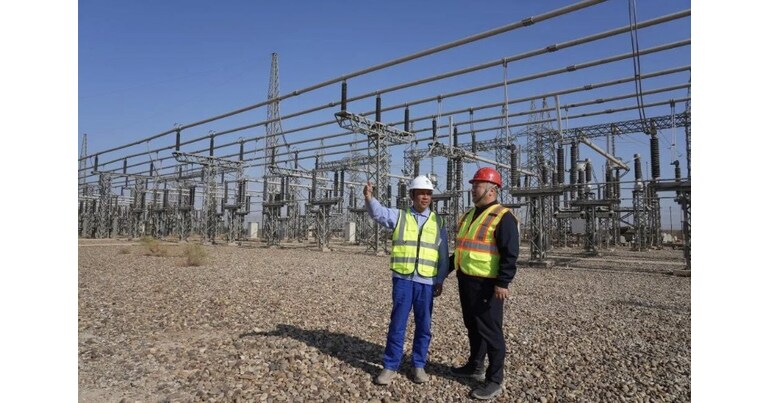
Core Insights - Shanghai Electric has initiated a project to expand combined cycle power plants along the Euphrates River in Iraq, aiming to increase overall capacity by 625 megawatts (MW) and improve efficiency by approximately 50% [1][2][3] Group 1: Project Overview - The project involves transforming simple cycle units into combined cycle systems across four Iraqi governorates: Najaf, Karbala, Babylon, and Al-Qadisiyyah [1][3] - The expansion is expected to generate an additional 5 billion kilowatt-hours (kWh) of electricity annually without increasing fuel consumption, addressing the chronic electricity shortage in Iraq [1][2] Group 2: Strategic Importance - The project is recognized as crucial for enhancing energy security and infrastructure modernization in Iraq, which has faced significant energy shortages for over three decades [2][4] - Iraqi Minister of Electricity Ziad Ali Fadel highlighted the project's importance in reducing dependence on imported natural gas and lowering fuel costs for electricity generation [4] Group 3: Technological Advancements - The modernization process utilizes high-temperature exhaust gases from existing gas turbines to generate additional electricity through steam turbines, thereby increasing efficiency without additional fuel [4][5] - The project sets a standard for power plant modernization in Iraq, enhancing local hopes for reliable electricity supply and improved living conditions [5][6] Group 4: Economic Impact - Upon completion, the project is expected to improve local livelihoods, support post-war recovery, and lay a solid energy foundation for industrial revival and economic growth in Iraq [6]


Shanghai Electric stärkt die Energiezukunft des Irak mit einer bedeutenden Effizienzsteigerung von 625 MW
Prnewswire· 2025-12-22 03:51
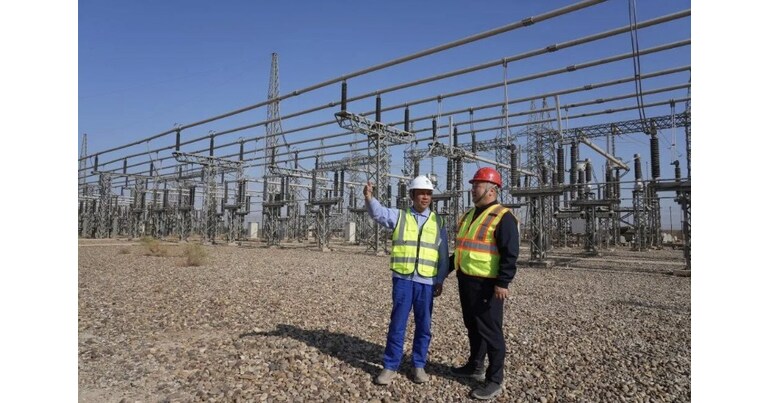
Core Insights - Shanghai Electric has initiated the Euphrates Combined Cycle Expansion Project in Iraq, aiming to enhance power plant capacity by 50% and alleviate chronic electricity shortages [1][2][3] - The project will add a total capacity of 625 Megawatts (MW) and is expected to generate an additional 5 billion kilowatt-hours (kWh) of electricity annually without increasing fuel consumption [1][4] Group 1: Project Overview - The project involves modernizing power plants in four Iraqi provinces: Najaf, Karbala, Babylon, and Al-Qadisiyyah, by converting simple cycle plants into combined cycle plants [1][3] - Core equipment for the project has arrived on-site, and construction is progressing through collaboration between Chinese and Iraqi teams [3][6] Group 2: Strategic Importance - The Iraqi Minister of Electricity, Ziad Ali Fadel, emphasized the project's significance in improving Iraq's electricity supply and optimizing power infrastructure, which will reduce dependence on gas imports and lower fuel costs for electricity generation [4][5] - The project is seen as a benchmark for power plant modernization in Iraq, reflecting the population's hope for a more reliable electricity supply and better living conditions [5][7] Group 3: Technological Innovation - The project utilizes advanced combined cycle technology, where high-temperature exhaust gases from existing gas turbines are used to generate additional power without extra fuel [4][5] - This phase of the project marks one of the first expansions of a combined cycle power plant in Iraq using exclusively Chinese equipment and standards, promoting the use of Chinese technology abroad [6][8]
Shanghai Electric renforce l'avenir énergétique de l'Irak grâce à une amélioration majeure de l'efficacité de 625 MW
Prnewswire· 2025-12-22 03:48
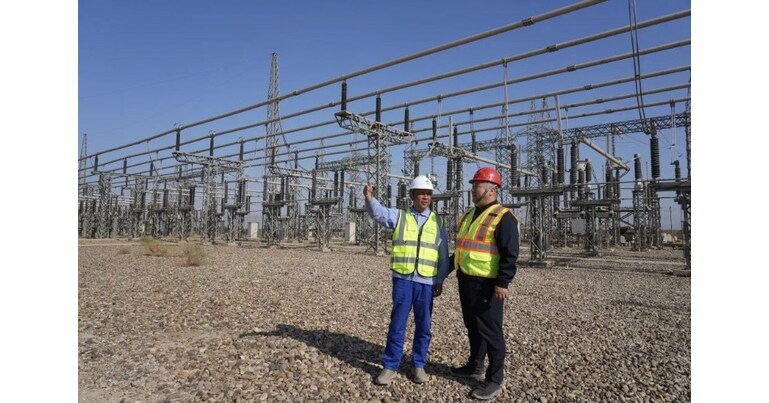
Core Viewpoint - Shanghai Electric has initiated a significant project to enhance the capacity of power plants in Iraq, aiming to increase electricity production by 50% and alleviate chronic electricity shortages in the country [1][2]. Group 1: Project Overview - The project involves upgrading power plants in four Iraqi governorates by converting simple cycle units to combined cycle systems, adding a total capacity of 625 megawatts (MW) [1][3]. - The initiative is expected to generate an additional 5 billion kilowatt-hours (kWh) of electricity annually without increasing fuel consumption [1][4]. Group 2: Strategic Importance - The Iraqi Minister of Electricity emphasized the project's strategic importance for improving electricity supply and optimizing the country's electrical infrastructure, which will reduce dependence on natural gas imports and lower fuel costs for electricity production [4][5]. - The project is seen as a critical step towards addressing the long-standing electricity shortages that have affected Iraq for over thirty years, impacting livelihoods and hindering national reconstruction and economic growth [2][4]. Group 3: Technological Advancements - The modernization at the Najaf power plant utilizes high-temperature exhaust gases from existing gas turbines to produce additional electricity through heat recovery steam generators [4][5]. - This combined cycle process enhances production and efficiency without additional fuel, while also reducing thermal pollution from original units [4][5]. Group 4: Local Impact and Recognition - The project is expected to improve the living standards of local communities, support post-war reconstruction, and establish a solid energy foundation for industrial recovery and economic growth in Iraq [6]. - The use of Chinese technology and equipment in the project is anticipated to boost the recognition of Chinese standards in Iraq and facilitate the overseas deployment of Chinese energy equipment [5][6].
How China became a global superpower—and what comes next #shorts #china #economy #markets
Bloomberg Television· 2025-12-19 21:09
How much success has China already had in reshaping the the international community. >> I would say much less than we might anticipate. It doesn't seem as though much of the rest of the world is interested in trading the current international system for a Chinaled international system.That being said, if you're looking for Chinese technological influence or economic influence globally, certainly the Belton Road and the digital Silk Road have been transformative. look at Huawei which has you know 70% of the ...
1-10月中国出口到“一带一路”沿线国家的汽车商品累计金额同比增长13.8%
Cai Jing Wang· 2025-12-06 09:00
Core Insights - The article highlights the significant growth in China's automobile exports to countries along the "Belt and Road" initiative, with a total export value of $115.68 billion from January to October 2025, marking a year-on-year increase of 13.8% [1] - The export of complete vehicles reached 4.414 million units, reflecting a year-on-year growth of 23.2% [1] - Exports of new energy vehicles (NEVs) surged to 1.418 million units, showing a remarkable year-on-year increase of 76.2% [1] Summary by Category - **Export Value** - Total export value to "Belt and Road" countries reached $115.68 billion, up 13.8% year-on-year [1] - This figure accounts for 59.6% of China's total automobile exports [1] - **Complete Vehicle Exports** - Exports of complete vehicles totaled 4.414 million units, representing a 23.2% increase compared to the previous year [1] - **New Energy Vehicle Exports** - Exports of new energy vehicles reached 1.418 million units, with a significant growth of 76.2% year-on-year [1]
Beijing Backs EV Battery and Solar Giants for Worldwide Expansion
Yahoo Finance· 2025-12-01 19:00
Core Insights - China aims to enhance its leadership in clean energy through multilateral cooperation and support for its new energy vehicle, battery, and photovoltaic sectors to boost global presence and accelerate low-carbon transition in manufacturing [1][2] Group 1: Government Initiatives - The Chinese government is committed to a green transition in manufacturing, emphasizing the development of new quality productive forces and high-quality growth despite global climate governance challenges [2] - Competitive Chinese enterprises in photovoltaics, wind power, lithium batteries, and new energy vehicles will be encouraged to invest in green energy projects globally, particularly in Belt and Road Initiative regions [3] Group 2: Market Impact - China's clean technology manufacturing base controls over 70% of global capacity in major clean-tech segments, significantly influencing the global energy transition and making renewable energy solutions more affordable, especially for emerging economies [4] - Solar panel prices have reached record lows over the past decade, primarily due to the efficiency of Chinese manufacturing, facilitating faster adoption of renewable energy in developing nations across Asia, Africa, and Latin America [5] Group 3: Export Growth - In the first seven months of 2025, China's exports of electric vehicles, solar panels, and batteries exceeded $120 billion, reflecting a rise in export volume despite declining unit prices, contributing to a global shift towards renewable energy [6] Group 4: Geopolitical Challenges - The aggressive expansion of Chinese clean energy exports faces protectionist measures in Western markets, with the EU and U.S. expressing concerns over state subsidies that enable Chinese companies to undercut local manufacturers [7]
Why China’s Ports Empire Has the US Worried
Bloomberg Originals· 2025-11-28 09:00
Global Trade & Infrastructure - China's Belt and Road Initiative aims to strengthen global connectivity by modernizing trade routes and securing maritime pathways [6] - Chinese entities have invested over $60 billion in 129 port projects globally [7] - China's dominance in global trade infrastructure is a central pillar of the Belt and Road Initiative [6] - Approximately 80% of global trade is conducted via ships, highlighting the crucial role of ports [4] - Six of the ten busiest ports in the world are located in China, with 95% of the nation's trade done by sea [4] China's Port Investments & Strategic Implications - China has built a network of about 100 ports on every continent except Antarctica, clustered around key maritime chokepoints [3] - 17 of the ports China has invested in have majority Chinese ownership, potentially offering Beijing more leverage [10] - Concerns exist that Chinese port operators could become listening posts, monitoring the economies surrounding these ports [20] - The megaport in Chancay, Peru, is expected to triple agricultural exports of Peru [2] - The initial investment in Chancay was $1.3 billion, with potential for a total investment of $3.5 billion for expansion [14] Geopolitical Concerns & Countermeasures - US officials have criticized the Chinese investment in the Chancay port, raising national security concerns [15][16] - Some suggest the port in Chancay could be dual use, potentially for military activity, which both Peruvian and Chinese officials deny [17] - The US has at least 127 other overseas military bases [20] - The EU has introduced investment screening regulations to make it more difficult for China to buy up critical infrastructure, including ports [24] - Approximately 5% of global trade travels through the Panama Canal, and 40% of US container traffic flows through it [21]
World Mayors Gather in Nanjing, Reach "Nanjing Consensus on River City Development"
Globenewswire· 2025-11-27 08:58
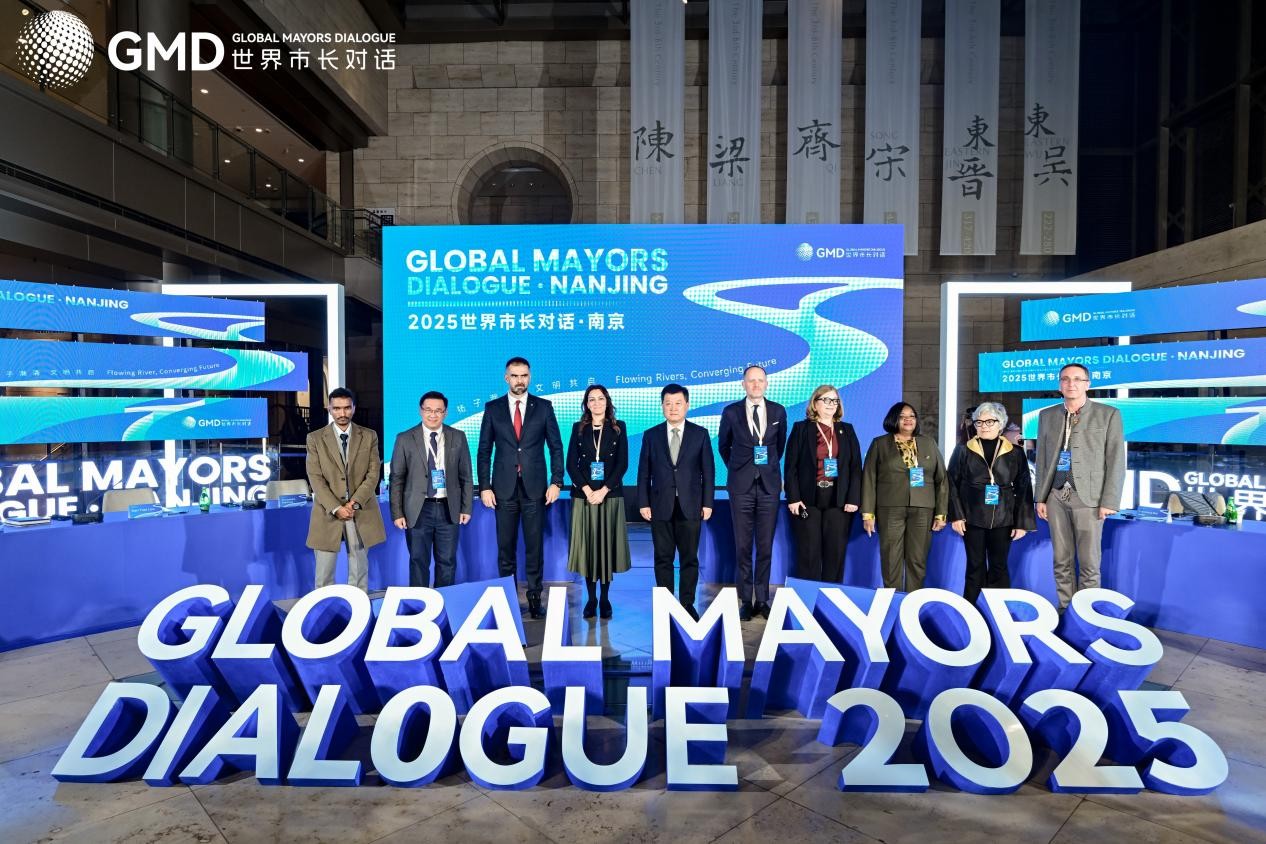
Core Insights - The "2025 World Mayors Dialogue: Nanjing" focused on urban development through water management and resulted in the release of the "Nanjing Consensus on Major River Cities Development" [1][5] Group 1: Event Overview - The event took place from November 19 to 21, 2025, hosted by the Nanjing Municipal People's Government, with participation from mayors and representatives from various countries [1] - Nanjing showcased its urban development achievements through on-site visits, highlighting its "micro-renovation" model and ecological conservation efforts along the Yangtze River [3] Group 2: Key Discussions - Discussions included urban governance, development trends, and global challenges, with notable contributions from international representatives emphasizing cooperation under the Belt and Road initiative [4] - The thematic dialogue led by Nanjing Vice Mayor Sun Baijun culminated in the release of the "Nanjing Consensus," which promotes the localization of the UN 2030 Sustainable Development Goals and advocates for green development models [5] Group 3: Future Implications - The conclusion of the dialogue marks a continued global pursuit of sustainable urban development, with Nanjing committing to contribute to collaborative city development worldwide [6]
X @The Economist
The Economist· 2025-11-21 12:20
Data show that only a small amount of Chinese loans flow along the “Belt and Road”, a global lending and investment initiative championed by Xi Jinping. Where is the rest of the money going? https://t.co/AYFS0P6XRz ...
Steering Sustainability Through Changes: World Maritime Merchants Forum 2025 Held in Hong Kong
Globenewswire· 2025-11-20 10:08
Core Insights - The World Maritime Merchants Forum 2025 focused on driving high-quality development in the maritime value chain amid global changes, with over 1,300 leaders and experts in attendance [1][3] Group 1: Forum Highlights - The theme of the 2025 Forum was "Steering Sustainability Through Changes," emphasizing the need for sustainable development in the global shipping industry [3] - Key leaders, including government officials and industry executives, participated, highlighting the importance of collaboration and innovation in the maritime sector [3][5][6] Group 2: Hong Kong's Role - Hong Kong is positioned as a super-connector for international maritime enterprises, facilitating the integration of Mainland shipping companies into global markets [6][9] - The city aims to leverage its strengths in high-end services such as shipping finance, maritime law, and insurance to enhance the maritime ecosystem [8][9] Group 3: Technological Innovation and Sustainability - Continuous investment in technological innovation and collaborative partnerships is deemed essential for promoting green and intelligent transformation in the shipping industry [7][20] - The Forum released the "Net-Zero Guide" to support the global shipping industry's low-carbon transition, consolidating emissions-reduction requirements into actionable steps [22] Group 4: Regulatory and Policy Developments - The Hong Kong government is implementing tax incentives and flexible arrangements to attract global shipping enterprises and enhance competitiveness [10][16] - New industry standards for greenhouse gas emissions in marine fuels were introduced, providing benchmarks for shipping companies in their low-carbon efforts [24] Group 5: Future Initiatives - The Forum proposed initiatives to strengthen international cooperation and develop fair global shipping governance, emphasizing the need for a collaborative approach to address industry challenges [17][19] - Hong Kong is committed to establishing an integrated transport system to support green shipping corridors and enhance the overall maritime infrastructure [15][16]
