Caregiving

Search documents
How to be a Better Caregiver for Cancer Patients | Josh Bedingfield | TEDxUTAustin
TEDx Talks· 2025-09-11 16:13
Cancer Statistics and Impact - The National Cancer Institute estimates that 405% of US men and women will be diagnosed with cancer in their lifetime [3] - Approximately 2 million people in the United States will be diagnosed with cancer this year [11] - Cancer causes 600 thousand deaths annually in the United States [16] The Importance of Social Support - Married individuals facing a cancer diagnosis are less likely to die compared to unmarried individuals, according to the Journal of Clinical Oncology [24] - A Kaiser Permanente study revealed that isolated women with breast cancer have a 64% higher risk of mortality from the disease [24] - The American Cancer Society indicates that individuals with strong social support networks adapt better to cancer-related changes, maintain a more positive outlook, and report a higher quality of life [24] The Role of Connection and Relationships - Deep connections and relationships can significantly impact the lives of individuals facing cancer [25] - Social support and a commitment to feeling normal can extend the lives of cancer patients [25] - Connecting with individuals facing cancer empowers both the supporter and the supported to live more fully [26] Beyond Traditional Treatment - The treatment regimen for cancer extends beyond chemotherapy and radiation, encompassing the support and connection provided by others [27] - Simple connections and presence can improve hope and quality of life for those affected by cancer [28]


How to be a better caregiver for cancer patients | Josh Bedingfield | TEDxUTAustin
TEDx Talks· 2025-08-08 15:25
I need you right now. Me for what. My big sister needed me.I was 17 and she was 20. You know, Katie told me she needed me when she had brain cancer. About a year into her diagnosis, my brother and I were headed out the door to get ice cream.When she asked to go, I said yes, but this wasn't my best day as a caregiver. I slipped and I was tired and showed on my face that I was reluctant to bring her. In that moment, uh, I was balancing supporting my terminally ill sister and my own youth mental health.You kno ...

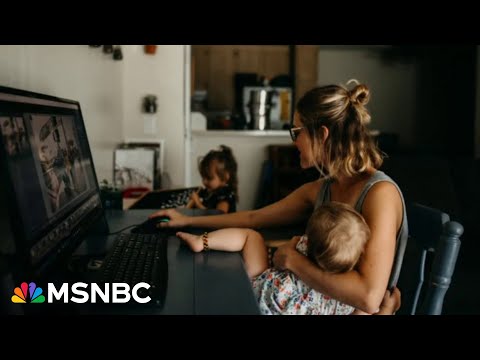
Workforce revolution? More women are working, more men are caregiving
MSNBC· 2025-07-08 21:56
Workforce Participation & Gender Roles - Young women's workforce participation is near record rates, exceeding previous generations [1] - Approximately 78% of women in their 20s and 30s are employed [2] - A growing percentage of prime-age men are taking on more caregiving responsibilities at home [2][3] - The percentage of men ages 25 to 34 not working because they're caregivers has doubled since 2001 [5] Economic & Social Implications - Increased workforce participation and equitable caregiving create opportunities for wage parity [6] - The existing child care system, already under strain, will face increased pressure [5] - Families and the economy thrive when both women are in the workforce and men are caregiving [7] Policy & Systemic Needs - Policies like paid leave and child care are crucial to support the changing dynamics of work and gender roles [7] - Systems need to adapt to the generational realignment in work and gender roles [7][8] - Government and society need to catch up with the evolving values surrounding work and caregiving [7]
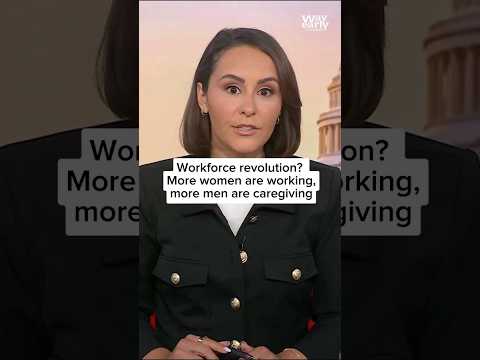
Young women are working at near-record rates
MSNBC· 2025-07-08 12:13
Workforce Trends - Young women are working at nearly record rates, exceeding previous generations in workforce participation [1][2] - Approximately 78% of women in their 20s and 30s are employed [2] - A growing share of prime-age men are taking on more caregiving responsibilities at home, indicating a generational shift [2][5] - Men ages 25 to 34 not working because they're caregivers has doubled since 2001 [13] Factors Influencing Participation - Teleworking and remote work options are helping women stay engaged in the workforce after having children [7][9] - Economic necessity is a significant driver for women entering the workforce, particularly for women of color, due to the rising cost of living and caregiving [9][10] Societal and Economic Impact - Equitable caregiving and increased workforce participation for both women and men can lead to wage parity and economic growth [14] - The current systems, including government policies and societal support, need to catch up with the changing values and the generational realignment in work and gender roles [15][16] Challenges and Future Considerations - The childcare system, already under strain, faces increased pressure with more parents in the workforce [12] - Policies like paid leave and childcare support are crucial to sustain the progress and prevent fragility in the workforce [14] - Further exploration is needed to understand how households are changing and how these changes impact the workforce [18]