Critical Minerals Supply Chain

Search documents
Global Li-Ion Announces Proposed Name Change
TMX Newsfile· 2026-03-02 14:00
Core Viewpoint - Global Li-Ion Graphite Corp. intends to change its name to "LION Critical Minerals Corp." to better reflect its strategic focus on critical minerals essential for advanced energy systems and national security infrastructure [1][2]. Company Strategy - The proposed name change aligns with the company's broadened mandate and reinforces its position in the critical minerals supply chain, which has become increasingly important due to global demand [2][3]. - The company aims to build a resilient and scalable platform to meet the growing global demand for strategic materials like graphite, thereby enhancing shareholder value [3]. Leadership Perspective - Jason Walsh, Chairman of the Company, emphasized that the name change is a defining step in the company's development, focusing on delivering secure critical mineral solutions for mission-critical supply chains [4]. - The company has a solid pipeline of commercial opportunities and is well-positioned to advance its strategy and create lasting value for shareholders [4]. Operational Details - The effective date of the name change will be announced once confirmed and approved by the Canadian Securities Exchange, with trading under the current ticker symbol "LION" remaining unchanged [4]. - There will be no changes to the company's share capital in connection with the name change [5]. Company Background - Global Li-Ion Graphite Corp. is focused on restarting production of high-grade graphite assets in Madagascar, positioning itself to participate in the expanding global critical minerals supply chain [6].


Come Meet NioBay Metals at PDAC 2026 in Toronto
TMX Newsfile· 2026-02-27 13:06
Core Viewpoint - NioBay Metals Inc. will participate in the PDAC International Convention, showcasing its projects and strategy to strengthen the North American critical minerals supply chain, particularly in niobium production [1][3][4]. Company Participation - NioBay will have a presence at Booth 3015 during the PDAC convention from March 1-4, 2026, inviting shareholders, investors, and industry partners to engage [1]. - CEO Jean-Sébastien David will be available for discussions with investors and stakeholders and will present on Quebec Day, March 3, at 11:15 am [2]. Project Focus - The company aims to become a secure supplier of niobium through its James Bay Niobium Project in Ontario and Crevier Niobium-Tantalum Project in Québec, addressing the growing demand for critical metals [3]. - The James Bay Niobium Project is located 40 km south of Moose Factory, while the Crevier project is situated in the Nitassinan territory of the Pekuakamiulnuatsh First Nation [7]. Industry Context - PDAC is recognized as the leading convention for mineral exploration and mining, attracting significant participation from exhibitors and investors, which enhances networking and industry engagement opportunities [5][6].

Electra Upsizes At-The-Market Offering
Globenewswire· 2026-02-20 21:20
Core Viewpoint - Electra Battery Materials Corporation has increased its At the Market Offering Program to allow for the sale of common shares totaling up to US$25,000,000, which will be used for working capital and general corporate purposes, including the commissioning of its cobalt sulfate refinery in Ontario, Canada [1][4]. Group 1: Offering Details - The At the Market Offering Program allows Electra to sell common shares at its discretion through H.C. Wainwright & Co., LLC [1]. - The total offering amount includes US$5,500,000 previously sold under the same agreement [1]. - The offering is registered under the Securities Act of 1933 and was declared effective by the SEC on December 11, 2025 [2]. Group 2: Sales Mechanism - Sales of common shares will occur as "at-the-market offerings" on the Nasdaq Capital Market, with prices varying based on market conditions at the time of sale [3]. - No shares will be sold on the TSX Venture Exchange or any other Canadian trading market [3]. Group 3: Use of Proceeds - The net proceeds from the ATM will primarily be allocated for working capital and general corporate purposes, particularly for the commissioning of the cobalt sulfate refinery [4]. - The company believes its existing cash and liquidity sources will be sufficient to fund the refinery's planned mechanical completion, although these plans may change [4]. Group 4: Company Overview - Electra is focused on advancing North America's critical minerals supply chain for lithium-ion batteries, particularly through the development of its cobalt sulfate refinery [6]. - The company's strategy includes nickel refining and battery recycling, with growth projects in black mass recycling and cobalt production opportunities in Quebec [6].
Critical One Energy Receives Ontario Government Funding Grant for Howells Lake Antimony-Gold Project Exploration Work
TMX Newsfile· 2026-02-13 11:50
Core Viewpoint - Critical One Energy Inc. has received official approval for funding under the Ontario Junior Exploration Program to support its Howells Lake Antimony-Gold Project, which is significant for the exploration of critical metals and minerals in Ontario [1][2]. Funding and Project Details - The Ontario Junior Exploration Program (OJEP) grant will assist in offsetting costs related to grassroots mineral exploration projects, specifically focusing on high-potential sites for critical and precious minerals in northern Ontario [2]. - The funding will enable the company to accelerate drilling activities while ensuring responsible exploration practices that prioritize community engagement and ecological stewardship, with enhanced activities expected to commence in spring 2026 [3][4]. Project Significance - The Howells Lake Project is one of Canada's largest undeveloped antimony systems, with a historical resource of 1.7 million tons at a grade of 1.4% antimony, along with associated gold mineralization [5]. - Historical drilling has shown exceptional grades, including assays up to 75% antimony and over 14 g/t gold, indicating the project's potential to meet North America's growing demand for critical minerals amid supply chain constraints [5]. Company Commitment - The company emphasizes its commitment to transparency and collaboration with local Indigenous communities and stakeholders throughout the project lifecycle [4]. - Critical One Energy Inc. is strategically positioned to leverage its expertise in critical minerals, particularly antimony and gold, to address the rising global demand for these resources [9].
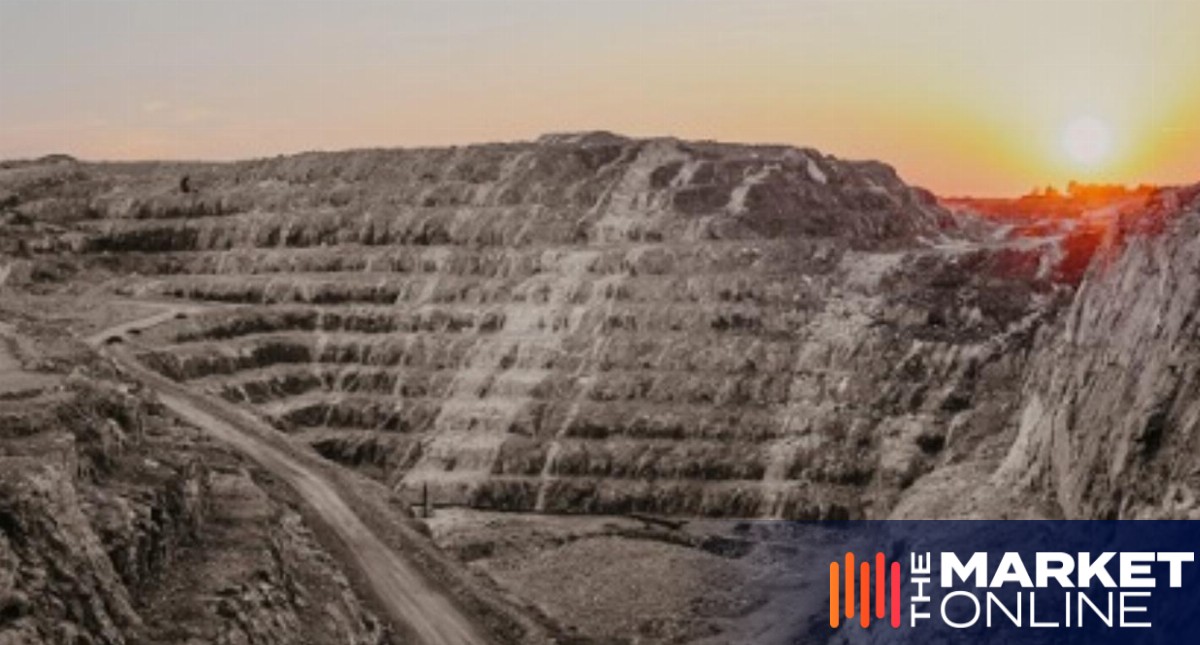
Elevra Lithium signs North American spodumene offtake MOU with Mangrove
The Market Online· 2026-02-10 00:14
Core Insights - Elevra Lithium has reached a commercial milestone with a non-binding memorandum of understanding (MoU) to supply spodumene to the North American market, potentially aligning with a local downstream partner [1][4] Group 1: MoU Details - Under the MoU, Elevra could supply Mangrove with up to 144,000 tonnes of spodumene per year for an initial five-year term starting in calendar year 2028, ramping up to 144,000 tonnes per annum by calendar year 2030 [2] - Mangrove plans to process the spodumene concentrate in eastern Canada, utilizing a modular, scalable electrochemical refining platform to convert feedstocks into battery-grade lithium hydroxide [3] Group 2: Strategic Implications - Elevra's CEO, Lucas Dow, indicated that the partnership with Mangrove may enhance cost efficiency and competitiveness, while also supporting the Canadian government's initiative to establish a secure critical minerals supply chain [4] - The MoU strengthens Elevra's commercial position in the lithium market, which is critical for the growing electric vehicle (EV) sector [4] Group 3: Company Overview - Elevra has multiple lithium projects in North America, including the North American Lithium project in Québec and a 60% stake in the Moblan lithium project, as well as the Carolina lithium project in the U.S. [5] - Elevra's stock price increased by 11.8%, reaching $7.20 per share following the announcement [6]

Elevra, Mangrove Lithium ink offtake MoU for NAL project in Quebec
MINING.COM· 2026-02-09 21:15
Core Viewpoint - Elevra Lithium has signed a non-binding Memorandum of Understanding (MoU) with Mangrove Lithium to supply spodumene concentrate from the North American Lithium (NAL) mine, aiming to strengthen its position in the North American electric vehicle sector and support local battery supply chains [1][2][9]. Group 1: Agreement Details - The MoU outlines negotiations for a definitive agreement where Elevra could supply up to 144,000 tonnes per year of spodumene concentrate to Mangrove at market-related prices, ensuring positive cash flow for NAL [4]. - The proposed supply is set for an initial five-year period starting in 2028, ramping up to 144,000 tonnes per annum by 2030, which would account for approximately 46% of estimated sales volumes [5]. Group 2: Processing and Production Capacity - Mangrove plans to process the spodumene concentrate into battery-grade lithium hydroxide or carbonate in Eastern Canada, potentially on-site at NAL, to support a domestic battery supply chain [5]. - The facility is expected to produce 20,000 tonnes of battery-grade lithium annually, sufficient for 500,000 electric vehicles [6]. Group 3: Financial and Strategic Implications - Mangrove has secured $85 million in financing, led by Canada Growth Fund, with participation from various investors, indicating strong financial backing for its operations [8]. - Elevra's CEO emphasized that this partnership enhances cost efficiency and competitiveness while aligning with the Canadian Government's strategy to build a secure critical minerals supply chain [9].
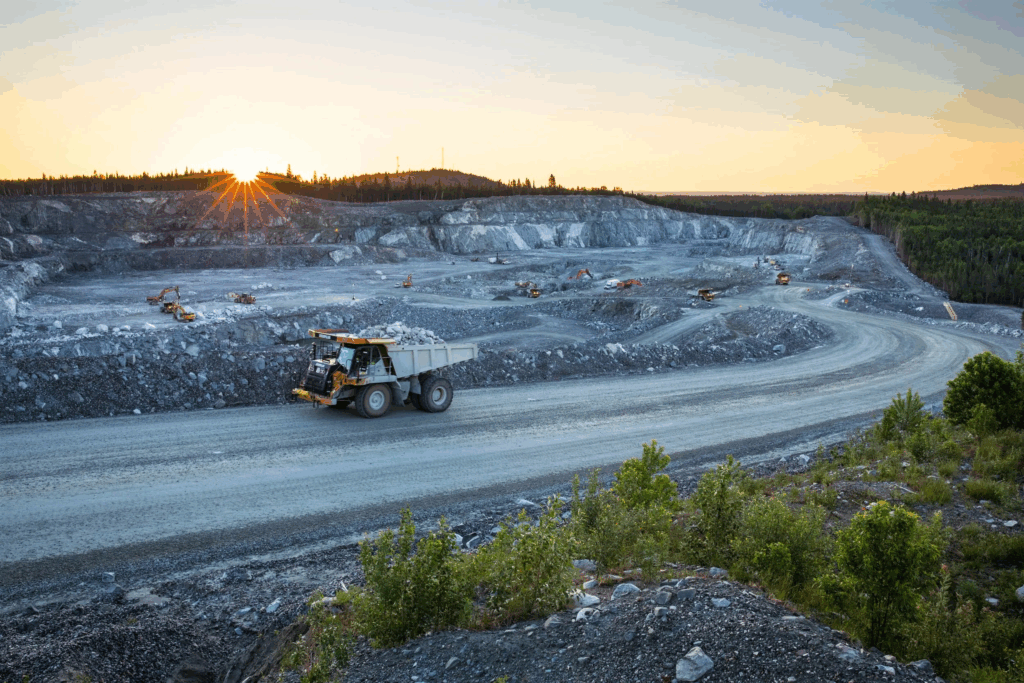
US, EU, Japan Move To Break China's Control Of Critical Mineral Supply Chains - Amazon.com (NASDAQ:AMZN), BHP Group (NYSE:BHP)
Benzinga· 2026-02-06 16:33
Core Viewpoint - The US, EU, and Japan are collaborating to counter China's dominance in global critical minerals supply chains, aiming to diversify supply and stimulate demand through a new agreement [1][2]. Group 1: Strategic Initiatives - The US and EU plan to finalize a deal within 30 days to enhance cooperation in critical minerals, focusing on preventing supply chain disruptions and promoting research and innovation [1]. - A Framework for Securing the Supply of Critical Minerals and Rare Earths was signed between the US and Japan, emphasizing the need for global supply diversification [6]. Group 2: Market Dynamics - Critical minerals are increasingly viewed as essential for national security and technological advancement, with China controlling 60% to over 90% of processing for various minerals [3]. - The US is investing hundreds of billions of dollars into the mining sector to reduce reliance on Chinese supply chains [10]. Group 3: Legislative Actions - The US has introduced the Critical Mineral Dominance Act to encourage domestic mining and refining, marking a significant step towards achieving mineral supply independence [11][12]. - Bipartisan support is evident in legislative efforts aimed at bolstering the US's position in the critical minerals market [11]. Group 4: Supply Chain Concerns - Recent trade measures by China, including export restrictions on rare earth elements, have heightened concerns about supply chain stability [8][9]. - The US is responding to perceived predatory trade practices by China, which are seen as undermining global mining efforts [7]. Group 5: Copper Market Insights - Copper prices have surged, reaching record highs due to supply fears, with demand expected to rise by 50% to 42 million metric tons by 2040 [13][14]. - The increasing demand for copper is driven by sectors such as AI, electric vehicles, and data centers, with significant quantities required for infrastructure [18][19].

M2i Global, along with Volato Group, Initiate First Shipment of Titanium Ore from Western Australia to U.S. from Titanium X
Globenewswire· 2026-02-04 14:00
Core Viewpoint - M2i Global, Inc. and Volato Group, Inc. have announced the initiation of titanium ore shipments from Titanium X, marking a significant step in securing a reliable supply chain for critical minerals essential for national security and advanced technologies [1][4]. Company Overview - M2i Global specializes in developing a global value supply chain for critical minerals, focusing on national defense and economic security [11]. - Volato Group is a technology-driven company that enhances business decision-making through scalable software and data solutions [11]. Shipment Details - The first shipment from Titanium X consists of titanium ore samples sourced from mineral sands and hard rock, intended for analysis by academic institutions and a defense industrial base company [2]. Collaboration and Strategy - M2i Global and Titanium X are collaborating on financing, development, and commercialization of critical mineral assets, leveraging M2i's expertise in mineral project execution [3]. - The shipment aligns with M2i Global's long-term strategy to establish a transparent supply network for critical minerals, combining physical access with digital traceability [6]. Market Context - Titanium is classified as a critical mineral by the U.S. Geological Survey, vital for sectors such as aerospace, defense, and green energy, despite supply chain risks concentrated in a few countries [4][10]. - The U.S. critical minerals market is estimated to exceed $320 billion annually, highlighting the strategic importance of domestic sourcing and logistics [7]. Titanium X Overview - Titanium X aims to be a leading provider of high-performance titanium alloys, utilizing patented technologies to produce titanium with lower energy consumption and carbon emissions [8]. - The company is positioned to capitalize on its dual business divisions in advanced metal production and resource development through joint ventures and licensing [8].
Electra Announces CFO Transition
Globenewswire· 2026-02-04 12:00
Core Viewpoint - Electra Battery Materials Corporation announces the resignation of CFO Marty Rendall, effective end of February 2026, to pursue another executive opportunity, with David Allen returning as Interim CFO to ensure leadership continuity during a critical construction phase [1][2][3]. Company Leadership Changes - CFO Marty Rendall will resign at the end of February 2026 to take on a new role in a larger organization, but will assist in the transition until then [1]. - David Allen, who previously served as CFO from 2023 to late 2024, will return as Interim CFO effective February 28, 2026 [2]. Contributions and Transition - Marty Rendall is credited with strengthening the company's balance sheet, completing essential capital raises, and advancing the refinery construction strategy, leaving the company in a stronger position [3]. - The return of David Allen as Interim CFO is expected to provide stability and continuity as the company progresses with the construction of North America's first cobalt sulfate refinery [3]. Company Focus and Strategy - Electra Battery Materials is focused on constructing North America's only cobalt sulfate refinery, aiming to enhance the domestic supply chain for critical minerals and reduce reliance on foreign sources [4]. - The company also holds significant land in Idaho's Cobalt Belt, positioning itself as a key player in North American cobalt and copper production [4]. - Electra is exploring black mass recycling to recover critical materials from end-of-life batteries and is evaluating growth opportunities in nickel refining and other battery materials [5].
M2i Global, along with Volato Group, in Collaboration with Nimy Resources Initiate First Shipment of High-Grade Gallium from Western Australia to U.S.
Globenewswire· 2026-02-03 13:00
Core Insights - M2i Global and Volato Group have announced the first shipment of high-grade gallium from Nimy Resources' Mons Project in Western Australia to the U.S. This shipment marks a significant milestone in establishing a secure, non-Chinese source of gallium for the Western supply chain [2][4][7] Company Developments - Nimy Resources has initiated its first shipment of gallium ore, which will be analyzed by selected academic institutions and defense industrial base companies to determine the refining processes needed for their applications [4][7] - The collaboration between Nimy and M2i focuses on developing and supplying gallium from the Mons Project, which also contains other critical minerals, including rare earth elements [5][7] - Nimy's Block 3 has confirmed high-grade gallium intervals exceeding 450 g/t Ga₂O₃, supporting the potential for future supply into the Western supply chain [6][7] Industry Context - The U.S. critical minerals market is projected to exceed $320 billion annually, highlighting the strategic importance of domestic sourcing and supply chain resilience [9] - The collaboration aims to enhance the reliability of gallium supply, which is essential for global semiconductor and defense needs, thereby contributing to national security [4][6]