
Oil price volatility

Search documents
Why Wall Street Loves This Energy Service Stock
Benzinga· 2026-03-20 16:29
Group 1: Oil Market Overview - Oil prices have increased by approximately 50% since the U.S.-Israeli attack on Iran began in late February, reaching Brent crude highs not seen since 2022 [1] - The S&P Global Oil Index has risen by 8.7% in the last month and 31% year-to-date, significantly outperforming the S&P 500's -3.6% return during the same period [2] - The disruption in the Straits of Hormuz, where Iran typically ships 9 to 10 million barrels of oil per day, is contributing to current market volatility [3][4] Group 2: Schlumberger (SLB) Company Analysis - Schlumberger is currently trading at around $48 per share, with a 7% increase over the past week, making it a favored stock among analysts in the oil services sector [4] - The company reported total revenue of $35.7 billion, with a three-year revenue growth rate of 8.3% and operating margins of 15.28% [5] - Schlumberger has a debt-to-equity ratio of 0.45, indicating effective cost management, and plans to return $4 billion to investors this year, supported by a 3.5% quarterly dividend increase [5] Group 3: Analyst Sentiment and Price Targets - All 14 energy industry analysts have issued a Buy call on Schlumberger, reflecting strong confidence in the company's performance amid market volatility [7] - Stifel Nicolaus and Citi both set a price target of $56 for SLB shares, indicating a potential upside of 17% [7]



Stock market today: Dow, S&P 500, Nasdaq sink as oil swings amid Iran war jitters
Yahoo Finance· 2026-03-19 22:52
Group 1 - US stocks experienced a pullback, with the Dow Jones Industrial Average falling approximately 0.6% and the S&P 500 declining by about 0.9%, while the Nasdaq Composite dropped 1.3% [1][2] - The decline in stock prices is attributed to investor concerns regarding a potential US operation to occupy or blockade Kharg Island, which is crucial for Iran's oil exports, aimed at pressuring Tehran to reopen the Strait of Hormuz [2][4] - Major US stock indices are on track for a fourth consecutive weekly decline, with both the Dow and Nasdaq Composite nearing correction territory [4] Group 2 - Oil prices remain high, with Brent futures trading near $108 per barrel and West Texas Intermediate futures around $96, influenced by ongoing tensions in the Middle East and attacks by Iran on neighboring countries [3] - The volatility in oil prices is expected to persist as markets react to developments in the Middle East conflict, with analysts warning that existing damage will keep prices elevated [3]
Crude Oil Prices Erase Gains on Hopes US to Add Supplies to Oil Markets
Yahoo Finance· 2026-03-19 19:23
Core Viewpoint - Crude oil prices are experiencing volatility due to geopolitical tensions in the Middle East, particularly involving Iranian and Israeli strikes on energy infrastructure, while OPEC+ plans to increase production may be hindered by these conflicts. Group 1: Crude Oil Prices and Market Reactions - Crude prices found support as the crude crack spread reached a 3.75-year high, prompting refiners to purchase crude for gasoline and distillate production [1] - Prices initially surged after reports of significant damage to Qatar's Ras Laffan LNG export plant, which lost 17% of its export capacity due to Iranian strikes [2] - Crude oil prices fell later in the day after US Treasury Secretary indicated potential increases in oil supply, including the removal of sanctions on Iranian crude [3] Group 2: Geopolitical Factors Impacting Supply - The Strait of Hormuz remains effectively closed, leading to a 6% production cut among Persian Gulf oil producers as storage facilities reach capacity [5] - Goldman Sachs warns that if the situation in the Strait of Hormuz does not improve, crude prices could exceed the 2008 record high of nearly $150 per barrel [5] - OPEC+ announced plans to increase crude output by 206,000 bpd in April, but this may be unrealistic given the ongoing conflicts in the Middle East [6] Group 3: Supply and Inventory Dynamics - Floating storage of crude oil has increased significantly, with about 290 million barrels of Russian and Iranian crude currently stored, a 40% rise from a year ago [7] - The EIA reported that US crude oil inventories were 1.4% below the seasonal 5-year average, while gasoline inventories were 4.2% above the average [11] - The number of active US oil rigs rose slightly to 412, but remains near a 4.25-year low, indicating a long-term decline in drilling activity [12]
Brent crude briefly tops $119 per barrel, before receding, and shakes stock markets worldwide
Yahoo Finance· 2026-03-19 03:03
Core Viewpoint - Oil prices are significantly influencing financial markets and the global economy, with recent volatility driven by geopolitical tensions in the Middle East [1][2]. Oil Market Dynamics - Brent crude oil prices briefly surged above $119 per barrel, a substantial increase from approximately $70 prior to the onset of the conflict with Iran [1][2]. - The price of Brent oil settled at $108.65, reflecting a 1.2% increase from the previous day, while U.S. crude settled at $96.14 before declining further [3]. Stock Market Reactions - Stock indexes experienced notable declines, with Japan down 3.4%, Germany down 2.8%, and South Korea down 2.7% due to rising oil prices [3]. - U.S. stocks showed resilience, with the S&P 500 closing down only 0.3% after recovering from an early loss of 1%, indicating less reliance on Middle Eastern oil [4]. Geopolitical Influences - The escalation of attacks by Iran on oil and gas facilities has heightened concerns about prolonged disruptions in oil production, potentially leading to sustained high prices and increased global inflation [2]. - President Trump and other global leaders are attempting to mitigate the spike in oil prices, although these measures are viewed as temporary solutions [5]. Market Volatility - The ongoing conflict has resulted in erratic fluctuations in both oil and stock markets, with significant swings observed since the war began nearly three weeks ago [6]. - The two-year Treasury yield experienced a notable increase to 3.96% before retreating to 3.79%, reflecting market reactions to oil price movements [7].
Crude Awakening
Etftrends· 2026-03-18 19:29
Core Insights - Oil price volatility is expected to increase significantly due to geopolitical tensions in the Middle East, particularly the U.S.-Israeli conflict with Iran, which has disrupted approximately 20% of the global oil supply from the Persian Gulf region [2][4] - The Cboe Crude Oil ETF Volatility Index (OVX) has surged to 108, indicating a threefold increase since the beginning of the year, surpassing volatility levels seen during previous geopolitical events [2][3] - Year-to-date, oil futures have risen over 50%, while gas prices have increased by around 25%, reflecting the volatility indicated by the OVX [3] Market Impact - Asian financial markets are experiencing significant pressure due to rising oil prices, as countries like India, Japan, and South Korea heavily rely on oil imports from the Middle East [4] - In contrast, the U.S. equity market has shown relatively minor declines, attributed to its status as a net energy exporter, which reduces reliance on Persian Gulf oil [5] - The VIX index, which measures U.S. stock market volatility, has increased less than the OVX, suggesting that cyclical sectors exposed to global growth may face short-term challenges [5] Future Considerations - The overall market impact will depend on the duration of the conflict and its effect on global oil supplies, with ongoing monitoring of these uncertainties [6] - Investors are advised to observe traditional safe havens like gold, the U.S. dollar, and Treasury yields for insights into market sentiment regarding global growth and inflationary pressures from the conflict [6]

Oil Prices Swing On Middle East News. Iraq Exports, Iran Targets In Focus.
Investors· 2026-03-18 13:47
Oil prices reverse from early slide. Iran expands list of targets, South Pars natural gas field hit. ...

Oil price volatility hits extreme levels as S&P 500 tracks crude tick by tick
Yahoo Finance· 2026-03-16 12:45
Oil price volatility hits extreme levels as S&P 500 tracks crude tick by tick Proactive uses images sourced from Shutterstock Oil price volatility has reached levels not seen since the pandemic as markets grapple with the fallout from US and Israeli strikes on Iran, with equity investors increasingly caught in the slipstream. Implied volatility in oil options has climbed above 100% on a one-month basis, surpassing peaks reached during the Russia-Ukraine war in 2022 and approaching levels last seen during ...

Will oil hit $200 a barrel? How traders are positioning amid the Iran War
Youtube· 2026-03-16 10:55
Oil Market Volatility - The oil market has experienced significant price volatility since the onset of the Iran conflict, with traders actively navigating these developments [1] - Traders are closely monitoring news and developments, particularly regarding U.S. military actions and their impact on oil prices [2][3] Key Export Hubs and Infrastructure - Approximately 90% of Iran's oil is exported from Car Island, which is a critical hub for Iranian oil shipments [3] - U.S. military actions have targeted military assets but have not yet impacted oil infrastructure, which is a crucial factor for traders [4] Strait of Hormuz and Global Oil Supply - The Strait of Hormuz is a vital chokepoint for global oil supplies, carrying about 20% of the world's oil [5] - President Trump is attempting to form a coalition to escort oil tankers through the Strait, although Japan has declined to send warships [5] - Uncertainties surrounding U.S.-China relations and potential summit outcomes are influencing market calculations [6]
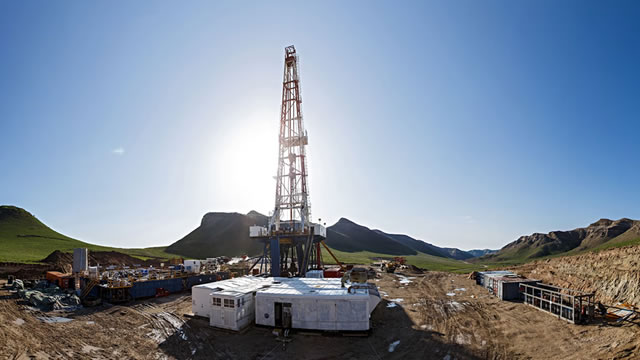
Oil News: WTI Crude Oil Tests $98.11 Pivot as Strait Risk Drives Volatility
FX Empire· 2026-03-16 08:47
Core Viewpoint - The content emphasizes the importance of conducting personal due diligence and consulting with competent advisors before making any financial decisions, particularly in relation to investments in complex instruments like cryptocurrencies and CFDs [1]. Group 1 - The website provides general news, personal analysis, and opinions, as well as materials from third parties for educational and research purposes [1]. - It explicitly states that the information should not be interpreted as a recommendation or advice for any financial actions, including investments or purchases [1]. - The accuracy and reliability of the information are not guaranteed, and users are cautioned that prices may be provided by market makers rather than exchanges [1]. Group 2 - The content includes information about cryptocurrencies, CFDs, and other financial instruments, highlighting their complexity and the high risk of losing money associated with them [1]. - Users are encouraged to conduct their own research and fully understand the workings and risks of any financial instruments before investing [1].
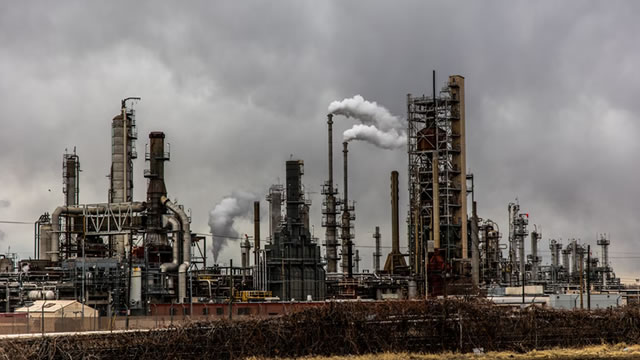
Oil prices are skyrocketing, but this is why companies won't rush to drill in California
Yahoo Finance· 2026-03-14 10:00
Core Insights - The rise in global oil prices to over $100 a barrel may not lead to increased drilling in California due to the state's aging oil fields and unpredictable price fluctuations [1][3] - Analysts suggest that a sustained price above $80 per barrel for at least a year is necessary for companies to consider increasing drilling activities [2] - The unique geology and heavy crude nature of California's oil fields make new projects and enhanced extraction efforts more costly compared to other regions like the Permian basin [3][4] Industry Trends - California's oil production has been declining since the 1980s, primarily due to depletion of existing fields and more economical production opportunities elsewhere [5] - Companies are likely to use the higher cash flow from elevated prices to strengthen their balance sheets and return capital to shareholders rather than invest in new drilling [5] - Recent refinery closures, such as Valero's Benicia refinery and Phillips 66's Wilmington facility, highlight the challenges faced by the industry, including regulatory difficulties and market dynamics [7]