
Digital Transformation

Search documents
Pure Storage vs. NetApp: Which Data Storage Stock Is the Better Pick?
ZACKS· 2026-02-18 16:25
Core Insights - The demand for data storage and management solutions is driven by the explosion of data from AI, cloud computing, and digital transformation [1] - Pure Storage (PSTG) and NetApp (NTAP) are two key players in the data infrastructure sector, each with distinct strategic positioning and financial profiles [1][2] Summary of Pure Storage (PSTG) - PSTG's main products include FlashArray and FlashBlade, with an increasing emphasis on its Evergreen subscription model [3] - In the last quarter, PSTG reported a 16% revenue increase to $964.5 million, fueled by growth in Evergreen//One and virtualization offerings [4] - The company has exceeded its fiscal year target for hyperscale shipments, with expectations for continued momentum [5] - PSTG raised its fiscal 2026 revenue outlook to $3.63-$3.64 billion and projected non-GAAP operating income of $629-$639 million [6] - The company plans to invest more in R&D and go-to-market strategies, supported by strong cash flow and a $400 million share repurchase authorization [7] - Management anticipates challenges from rising commodity costs and supply chain pressures, which could impact margins and lead times [8] Summary of NetApp (NTAP) - NTAP focuses on intelligent data infrastructure, with a strong performance in its all-flash array business [9] - The company reported a modest 3% revenue growth to $1.71 billion, with a notable 9% increase in All-Flash Array revenues to $1 billion [10][11] - NTAP's Public Cloud services grew 32%, bolstered by partnerships with major hyperscalers like Amazon and Microsoft [12] - Despite growth in certain segments, NTAP faces challenges with revenue growth and competition from PSTG [13][14] - The company anticipates a third-quarter revenue guidance of $1.69 billion, indicating no expected reacceleration in growth [15] Price Performances & Valuations - Over the past month, PSTG stock has increased by 0.1%, while NTAP shares have decreased by 2.7% [18] - PSTG has a forward 12-month price/earnings ratio of 30.83X, significantly higher than NTAP's 11.95X [19] - Analysts have revised NTAP's earnings estimates downwards, while there is a marginal upward revision for PSTG [21][22] Investment Outlook - PSTG holds a Zacks Rank of 3 (Hold), while NTAP has a Zacks Rank of 4 (Sell), indicating that PSTG is currently viewed as the better investment option [24]



Digital Transformation in Afghanistan | Abdul Samad Saba | TEDxShar e Naw
TEDx Talks· 2026-02-18 16:18
انسانها در طول تاریخ همواره در تلاش اختراع ابزارها بودن تا با اونا چالشهای زندگی خودرا حل بسازن. مثلاً در عصر سنگ انسانها با استفاده از سنگ ابزارهایی مثل چکش و سرنیزه میساختن. با اونها شکار میکردن و از این طریق برای خود غذا تأمین میکردن.بعدها با فلزاتی مثل مس برنز و آهن آشنا میشه میتوانه اوها را ذوب بسازه و از این طریق ابزارهای کارآمدتری بسازه از قرن ابده الی ۱۹ میلادی زمانی که انسانها میتوانه انرژی را تغییر بدن ابزارهای ماشینی میسازه درست در ای دور است که تولیدات دستی کمکم جای خود به تولیدات صنعتی ...

Rockwell Automation (NYSE:ROK) FY Conference Transcript
2026-02-18 14:42
Rockwell Automation Conference Call Summary Company Overview - **Company**: Rockwell Automation - **Key Executives**: Blake Moret (Chairman and CEO), Matheus Bulho (SVP of Software and Control Segment) [1][4] Core Industry Insights - **Industry Focus**: Automation and digital transformation in manufacturing [6] - **Market Position**: Rockwell is the most used technology in American manufacturing [5] Financial Performance and Growth Outlook - **Resilience**: Rockwell has become more resilient over the past few years, with a focus on operational excellence and expanding margins [4][5] - **Annual Recurring Revenue**: Comprises over 10% of total revenue, driven by software and high-value services [4][36] - **Growth Projections**: - Current guidance for organic growth is 4% at the midpoint, with potential upward pressure towards 5%-8% [10][11] - Strong double-digit growth expected in earnings [10] - **Market Segments**: Growth noted in e-commerce, warehouse automation, life sciences, and data centers [6][12] Key Market Trends - **Customer Sentiment**: Positive sentiment among customers, with increased orders expected across various verticals [12][14] - **CapEx Intentions**: Notable CapEx announcements across both traditional and newer industries, indicating a potential recovery in short-cycle industrial activity [14][15] - **Lifecycle Services**: Strong Book-to-Bill Ratio of 1.16, with expectations for improved demand as comparables ease [18] Product and Technology Developments - **Logix Growth**: Over 20% year-over-year growth in Logix products, particularly strong in North America [22][23] - **Software Integration**: Software is closely integrated with hardware, enhancing value in mission-critical applications [36][37] - **R&D Investment**: Approximately 8% of total revenue allocated to R&D, with a focus on new product introductions [26] Challenges and Strategic Responses - **Supply Chain Management**: No current issues with chip availability; proactive inventory management in response to past supply chain crises [44][48] - **Pricing Strategy**: Expectation of continued price realization to cover inflation and capture product value [51][54] - **Margin Goals**: Targeting operating margins in the low to mid-twenties, with incremental improvements expected [56] Emerging Technologies - **Humanoid Robots**: Limited near-term application in manufacturing; focus remains on mobile robots and automation solutions [60][64] Conclusion - Rockwell Automation is positioned for growth with a strong focus on operational excellence, market expansion, and technological integration, while navigating challenges in supply chain and pricing strategies. The company remains optimistic about its growth trajectory across various sectors, particularly in automation and digital transformation.

How SPDR’s XLK Tech ETF Beat the S&P 500 by 35 Points
Yahoo Finance· 2026-02-18 13:19
Core Insights - The Technology Select Sector SPDR Fund (XLK) provides investors with direct exposure to the tech sector, focusing 98.7% of its assets in Information Technology at a low annual cost of 8 basis points [2] - XLK is heavily concentrated, with nearly 39% of its assets in three major companies: NVIDIA (15.21%), Apple (13.43%), and Microsoft (10.20%), which enhances both potential returns and associated risks [3] - The fund has achieved a five-year return of 109.39%, significantly outperforming the SPDR S&P 500 ETF Trust (SPY) which gained 73.63% over the same period, highlighting the advantages of concentrated sector exposure during economic growth driven by technology [5] Performance Metrics - XLK's positioning in semiconductors, which make up approximately 45% of its holdings, has been a key driver of its performance, yielding a 17.43% return over the past year as the semiconductor cycle accelerated [4] - The fund's ultra-low expense ratio and 5% annual turnover contribute to its tax efficiency, making it suitable for long-term investors [6] - Despite its strong performance, XLK experienced a decline of 3.06% through mid-February 2026, while SPY remained flat, indicating potential volatility during sector rotations [7]
Everest Group Report Highlights the Growing Role of Intelligent Document Processing in Modernizing Public Sector Service Delivery
Globenewswire· 2026-02-18 13:00
Core Insights - XBP Global Holdings, Inc. is positioned as a leader in workflow automation, focusing on Intelligent Document Processing (IDP) to enhance public sector service delivery and compliance [1][4] - The adoption of IDP is accelerating among public sector organizations to address increasing citizen expectations and operational challenges [2][4] Industry Trends - Government agencies are transitioning from manual, document-driven processes to AI-enabled digital workflows, driven by the need for operational resilience and efficiency [2][4] - IDP platforms utilize AI, machine learning, computer vision, and natural language processing to manage various document types, transforming traditional workflows into intelligent digital processes [3][4] Strategic Importance - IDP is recognized as a strategic lever for public sector transformation, enabling improved decision accuracy, faster processing, and reduced operational backlogs [4][6] - A clear, outcome-led approach to IDP adoption is essential for public sector leaders to establish a strong business case and unlock long-term value [6][7] Practical Applications - The report includes use cases, a government-tailored ROI framework, and a roadmap for scaling IDP initiatives within public sector organizations [5][6] - It serves as a guide for modernizing large, unstructured data sets while ensuring compliance and transparency [7]


Walmart to tread with caution into 2026 as Furner-era begins
Reuters· 2026-02-18 11:03
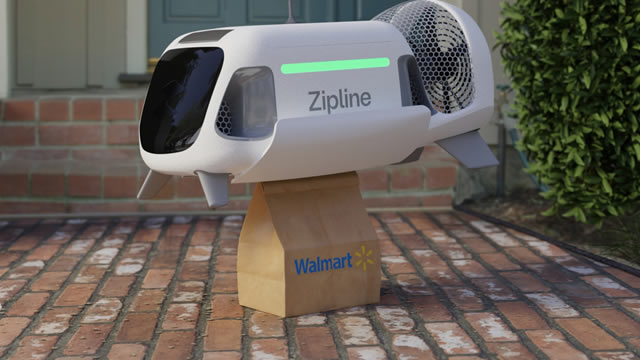
Core Insights - Walmart is expected to adopt a cautious approach in its annual forecasts under new CEO John Furner, navigating a fragile consumer landscape while maintaining a strong market value of over $1 trillion, marking it as the first retailer to achieve this milestone [1][1][1] Management Changes - John Furner has taken over as CEO, with David Guggina, an Amazon alumnus, appointed as president and CEO of Walmart U.S., indicating a shift towards a more tech-driven strategy [1][1] - The management changes reflect Walmart's focus on AI-led digital transformation to compete with rivals like Amazon, Costco, and Aldi [1][1] Financial Performance - Walmart's fourth-quarter revenue is projected to reach $190.43 billion, with a 24% gain over the past year, significantly outperforming packaged food companies [1][1] - The company's price-to-earnings valuation has risen to approximately 45, higher than most peers, indicating strong investor confidence [1][1] Consumer Trends - Economic pressures have led consumers across income brackets to seek cheaper options, benefiting Walmart's value proposition and delivery services [1][1] - Higher-income shoppers have increasingly contributed to Walmart's U.S. sales growth, despite challenges faced by lower-income consumers [1][1] E-commerce and AI Investments - Walmart has expanded its online marketplace to over half a billion items and launched one-hour delivery services, enhancing its competitive edge against Amazon [1][1] - The company has partnered with OpenAI to integrate AI tools like ChatGPT, improving customer experience and boosting online sales growth [1][1] Store Traffic and Market Response - In-store traffic increased by 2.3% in the fourth quarter of 2025, with further acceleration noted in January 2026, indicating strong consumer engagement [1][1] - Following Walmart's market value milestone, several Wall Street brokerages have raised their target prices and profit estimates for the company [1][1]

A silent property revolution is reshaping India’s investment map
The Economic Times· 2026-02-18 09:41
Core Insights - The shift in investor sentiment towards warehousing and logistics indicates a structural transformation in India's real estate landscape, moving from traditional office and retail investments to logistics platforms as the dominant strategy [1][21] - Institutional interest in warehousing has transitioned from exploratory to conviction-led, highlighting its importance as strategic economic infrastructure [5][21] - The pandemic has reshaped supply-chain thinking, leading to increased demand for resilient, India-focused supply chains and higher inventory buffers [16][22] Warehousing and Logistics Growth - Industrial and warehousing leasing reached a record high in 2025, with absorption hitting 36.9 million sq ft, reflecting a 16% year-on-year growth [8][21] - Delhi NCR and Chennai emerged as the most active industrial hubs, accounting for 24% and 22% of annual absorption respectively [8][10] - Q4 2025 saw a significant uptick in leasing activity, with 10.4 million sq ft absorbed, driven by large transactions and expansion-led demand [9][21] Demand Drivers - The demand for logistics assets is primarily driven by third-party logistics (3PL) companies, engineering firms, and e-commerce players, with 3PL accounting for about 32% of total leasing [11][21] - Large-format transactions, such as those by ScootsyLogistics and Amazon, underscore occupier confidence and the growing scale of operations [11][21] - The shift towards modern logistics facilities is influenced by the need for higher ceilings, better flooring standards, and integrated technology systems [15][22] Structural Changes - India's rapid digital transformation has altered consumption and distribution models, expanding e-commerce penetration into Tier-II and Tier-III cities [14][22] - Government policy initiatives, including infrastructure upgrades and logistics corridor development, have improved connectivity and reduced transportation bottlenecks [16][22] - The formalisation of the economy has favored organized logistics players, leading to a preference for large, compliant facilities over fragmented storage units [17][22] Investment Landscape - Institutional investors are increasingly comfortable with the risk-return profile of logistics assets, which offer stable cash flows and long-term leases [18][22] - Warehousing has evolved from a tactical allocation to a strategic investment, driven by structural transformation in the economy [18][22] - The growth of e-commerce and the need for modern logistics infrastructure align with India's manufacturing ambitions and global supply chain integration [19][22] Challenges Ahead - Despite the positive outlook, challenges such as land acquisition complexities, regulatory approvals, and infrastructure gaps may hinder project execution [20][22] - Potential rental growth moderation could occur if supply outpaces demand in specific micro-markets, and increased competition may compress yields over time [20][22]


Republic Services(RSG) - 2025 Q4 - Earnings Call Transcript
2026-02-17 23:02
Financial Data and Key Metrics Changes - In 2025, the company achieved revenue growth of 3.5% and adjusted EBITDA growth of nearly 7% [8] - Adjusted earnings per share reached $7.02, with adjusted free cash flow of $2.43 billion, reflecting a 200 basis points increase in adjusted free cash flow conversion to 45.8% [8][24] - The adjusted EBITDA margin expanded by 90 basis points to 32% for the full year [23] Business Line Data and Key Metrics Changes - Organic revenue in the Environmental Solutions business decreased total revenue by 2% in the fourth quarter, primarily due to a non-recurring emergency response project in 2024 [9][23] - Core price on total revenue was 5.8% in the fourth quarter, with core price on related revenue at 7.1% [19] - Volume declines were concentrated in construction and manufacturing end markets, leading to a 1% reduction in total revenue [9][20] Market Data and Key Metrics Changes - Commodity prices for recycling were $112 per ton in the fourth quarter, down from $153 per ton in the prior year [21] - The company expects average yield on related revenue in 2026 to be in the range of 4%-4.5% [19] - The overall macroeconomic environment is characterized as stable, with specific weaknesses in manufacturing and construction impacting volume [49][50] Company Strategy and Development Direction - The company is focused on digital investments and sustainability initiatives, including the deployment of AI-enabled tools to enhance pricing and operational efficiency [10][12] - The acquisition pipeline remains strong, with plans to invest approximately $1 billion in value-creating acquisitions in 2026 [17] - The company aims to maintain a disciplined approach to pricing, prioritizing price over volume to ensure returns on work [58] Management's Comments on Operating Environment and Future Outlook - Management expressed cautious optimism regarding early signs of economic recovery, particularly in the western U.S., but noted ongoing challenges in the construction sector [110] - The company anticipates another year of profitable growth in 2026, with revenue guidance in the range of $17.05 billion to $17.15 billion [16] - Management highlighted the importance of maintaining customer loyalty and delivering exceptional value as key components of their strategy [6][7] Other Important Information - The company reported a strong employee engagement score of 87 and a record low turnover rate in 2025 [15] - Total debt at the end of the year was $13.7 billion, with total liquidity of $2 billion [24] - The company expects net interest expense in 2026 to be in the range of $575 million to $585 million [24] Q&A Session Summary Question: Can you discuss the $400 million in acquisitions year to date? - Management confirmed the acquisition of a company called Hamm, which provides strong disposal infrastructure, and noted that the remaining $600 million in potential acquisitions is still under consideration [30][31] Question: What are the expectations for margins in 2026? - Management indicated that underlying business expansion is expected to contribute 60-70 basis points to margin growth, with some headwinds from commodity prices and acquisitions [35] Question: Can you provide an update on the Polymer Center performance? - Management expects about a $30 million revenue uplift from the Polymer Centers in 2026, with approximately $10 million of incremental EBITDA [42] Question: What is the outlook for organic growth in Environmental Solutions? - Management anticipates relatively flat growth for the Environmental Solutions business in 2026, with some challenges in the first half due to tough comparisons [54] Question: How is the company addressing the emergency response growth gap? - Management acknowledged challenges in winning event-based work and emphasized the need to adjust pricing strategies to align with market conditions [103] Question: What are the inflation expectations for 2026? - Management expects an inflationary environment of approximately 3.5% for 2026 [111]

McCormick & Company (NYSE:MKC) 2026 Conference Transcript
2026-02-17 23:02
Summary of McCormick & Company 2026 Conference Call Company Overview - **Company**: McCormick & Company (NYSE: MKC) - **Industry**: Packaged Food - **Date of Conference**: February 17, 2026 Key Points Industry Position and Growth - McCormick is recognized as a global leader in flavor, delivering consistent volume growth in a challenging packaged food environment [2][4] - The company emphasizes that it competes with flavor rather than calories, differentiating itself from peers [3][7] - The global demand for flavor is projected to grow by 5%-7%, with a market growth of 35% within McCormick's current geographic footprint [10] Financial Performance - From 2015 to 2025, McCormick achieved a 12% organic sales growth, with a compounded annual growth rate of 6% [36][37] - The company expects to maintain organic sales growth of 3%-4% in 2026, driven by new products and increased brand marketing [49][50] - Operating income margins are anticipated to improve through operating leverage and cost savings initiatives [50] Strategic Initiatives - McCormick is focused on digital transformation, leveraging data and AI to enhance innovation, operations, and consumer engagement [12][41] - The company is committed to sustainability and health trends, aiming to meet consumer demands for healthier options [32][33] - McCormick's Flavor Solutions segment is central to its growth strategy, emphasizing partnerships with customers to reformulate products [31] Brand and Product Innovation - McCormick holds the number one brand position in spices, seasonings, hot sauce, and mustard, with strong household penetration [16] - The company is innovating with new flavors and packaging, including the McCormick Gourmet collection and modernized seasoning blends [20][23] - Marketing campaigns, particularly for Frank's RedHot, have successfully engaged younger consumers, driving brand loyalty [22][29] Acquisitions and Market Expansion - Recent acquisitions, including a majority stake in McCormick de Mexico, are expected to contribute to both top and bottom-line growth [46][49] - The company maintains a disciplined approach to acquisitions, with a focus on enhancing its portfolio and market presence [47] Challenges and Outlook - McCormick faces cost pressures from inflation and increased tax rates, but is implementing strategies to offset these challenges [39][48] - The company remains confident in its ability to deliver on its long-term objectives, reaffirming targets of 4%-6% net sales growth and 8%-11% earnings per share growth [51] Conclusion - McCormick is well-positioned to capitalize on the growing demand for flavor, supported by a strong brand portfolio, innovative product offerings, and strategic initiatives aimed at enhancing profitability and market reach [52]

Republic Services(RSG) - 2025 Q4 - Earnings Call Transcript
2026-02-17 23:00
Financial Data and Key Metrics Changes - In 2025, the company achieved revenue growth of 3.5% and adjusted EBITDA growth of nearly 7% [5] - Adjusted earnings per share reached $7.02, with adjusted free cash flow of $2.43 billion, reflecting a 200 basis points increase in adjusted free cash flow conversion to 45.8% [5][17] - The adjusted EBITDA margin expanded by 90 basis points to 32% for the full year [16] Business Line Data and Key Metrics Changes - Organic revenue in the environmental solutions business decreased total revenue by 2% in Q4, primarily due to a non-recurring emergency response job in 2024 [6][16] - Average yield on total revenue was 3.7%, while average yield on related revenue was 4.5% [12] - The company expects organic volume to decrease total revenue by approximately 1% in 2026, with landfill volumes from cleanup efforts in 2025 creating a headwind [14][45] Market Data and Key Metrics Changes - Commodity prices for recycling were $112 per ton in Q4, down from $153 per ton in the prior year [14] - The company reported a core price on total revenue of 5.8% in Q4, with core price on related revenue at 7.1% [12] - The company anticipates average yield on related revenue in a range of 4%-4.5% for 2026 [12] Company Strategy and Development Direction - The company is focused on delivering differentiated capabilities, customer zeal, digital, and sustainability to secure new growth opportunities [5] - Investments in AI-enabled tools and advanced analytics are expected to enhance profitability and drive sustained operating leverage [6][7] - The company plans to invest approximately $1 billion in value-creating acquisitions in 2026, with a strong acquisition pipeline in recycling and waste [10] Management's Comments on Operating Environment and Future Outlook - Management characterized the macroeconomic environment as stable, with weaker manufacturing and construction sectors leading to negative demand in recycling and waste [40] - The company expects to deliver another year of profitable growth in 2026, with revenue guidance in the range of $17.05 billion to $17.15 billion [10] - Management remains cautiously optimistic about early signs of economic momentum, particularly in special waste [42] Other Important Information - The company made significant progress in sustainability initiatives, including the development of its Polymer Center network and renewable natural gas projects [8][9] - Employee engagement scores improved to 87, with a record low turnover rate [9] - Total debt at the end of 2025 was $13.7 billion, with a leverage ratio of approximately 2.6 times [17] Q&A Session Summary Question: Can you discuss the $400 million in acquisitions year to date? - The company acquired Hamm in Kansas City, which has strong disposal infrastructure, and is looking at additional attractive opportunities in recycling and waste [22][23] Question: Can you elaborate on margin expectations? - The company expects 60-70 basis points of margin expansion, with various factors impacting margins including commodity prices and landfill volumes [25][27] Question: What is the outlook for the Polymer Center performance? - The company expects about $30 million in revenue uplift from polymer centers in 2026, with $10 million of incremental EBITDA [34] Question: How is the emergency response business performing? - The company is seeing a longer sales cycle and expects to see the results of recent efforts in the second half of the year [93] Question: What are the expectations for PFAS remediation revenue? - The company anticipates PFAS remediation revenue in the range of $50 million to $75 million for the year, with a positive long-term outlook [74]