
Social Media

Search documents
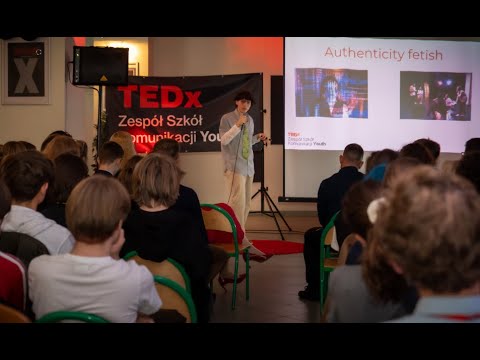
Live, Laugh, Lies? | Kacper Włosiński | TEDxZespół Szkól Komunikacji Youth
TEDx Talks· 2025-11-24 17:55
Good evening, beautiful people. Uh, before I begin, I'd like to conduct a quick research on you. So I show you a couple of pictures of activities and I want you to raise your hand when you find the example generally positive or let's say at least harmless and neutral.Uh so first of all we have spending time with friends. Okay. Okay.I see the hands. Uh that's that's lovely. After that we have eating healthy.Okay. We like eating healthy. That's awesome. That's a good habit.After that we can throw uh working o ...

X @Forbes
Forbes· 2025-11-23 23:25
Boost Sales And Loyalty This Small Business Saturday: Tips That WorkWhatever your company does to promote sales on Small Business Saturday, make sure it is highlighted on social media.After the event, be sure to thank customers for showing up and highlight your cause-related marketing results (if you create such an initiative). Post photos and videos that create a sense of fun that occurred on Small Business Saturday.Read more: https://t.co/lscyqTfHMg (Photo: Getty Images) ...
X @Forbes
Forbes· 2025-11-23 21:45
Boost Sales And Loyalty This Small Business Saturday: Tips That WorkWhatever your company does to promote sales on Small Business Saturday, make sure it is highlighted on social media.After the event, be sure to thank customers for showing up and highlight your cause-related marketing results (if you create such an initiative). Post photos and videos that create a sense of fun that occurred on Small Business Saturday.Read more: https://t.co/lscyqTfHMg (Photo: Getty Images) ...
X @mert | helius.dev
mert | helius.dev· 2025-11-23 19:30
electric cars were a luxury; tesla scaled them to everyonedistribution was a luxury (newspapers, establishments etc); social media scaled it to everyoneinvesting was a luxury, NYSE scaled it to the USAprivate money is still a luxury; zcash will scale it to everyone ...

X @Forbes
Forbes· 2025-11-22 22:31
Boost Sales And Loyalty This Small Business Saturday: Tips That WorkWhatever your company does to promote sales on Small Business Saturday, make sure it is highlighted on social media.After the event, be sure to thank customers for showing up and highlight your cause-related marketing results (if you create such an initiative). Post photos and videos that create a sense of fun that occurred on Small Business Saturday.Read more: https://t.co/lscyqTfHMg (Photo: Getty Images) ...
X @Forbes
Forbes· 2025-11-22 21:45
Boost Sales And Loyalty This Small Business Saturday: Tips That WorkWhatever your company does to promote sales on Small Business Saturday, make sure it is highlighted on social media.After the event, be sure to thank customers for showing up and highlight your cause-related marketing results (if you create such an initiative). Post photos and videos that create a sense of fun that occurred on Small Business Saturday.Read more: https://t.co/lscyqTfHMg (Photo: Getty Images) ...
X @TechCrunch
TechCrunch· 2025-11-22 16:03
Pew’s latest social media report shows X’s staying power in the U.S., despite competition https://t.co/trE8jHRuyC ...
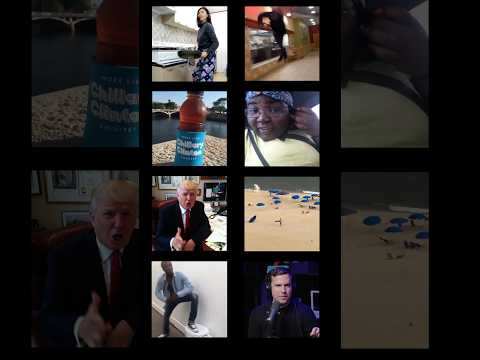
This week on Version History, we’re looking back at Vine. Full episode comes out tomorrow.
The Verge· 2025-11-22 15:01
It's 2012 and Twitter is at the redhot center of culture. We had an election in 2012. Obama won again.There was an Olympics in 2012. Hurricane Sandy happened in 2012. And all of those things had one important thing in common, which is that everybody wanted to tweet about them all day, every day.But Twitter also just bought an app that might turn out to be even more important. It's called Vine, and it lets you make and share videos 6 seconds at a time. They loop forever and they're going to change the way pe ...
X @Forbes
Forbes· 2025-11-21 21:45
Boost Sales And Loyalty This Small Business Saturday: Tips That WorkWhatever your company does to promote sales on Small Business Saturday, make sure it is highlighted on social media.After the event, be sure to thank customers for showing up and highlight your cause-related marketing results (if you create such an initiative). Post photos and videos that create a sense of fun that occurred on Small Business Saturday.Read more: https://t.co/lscyqTfHMg (Photo: Getty Images) ...