Workflow
国家主权
icon
Search documents
突发!美国,发动空袭!
券商中国· 2025-11-13 12:40
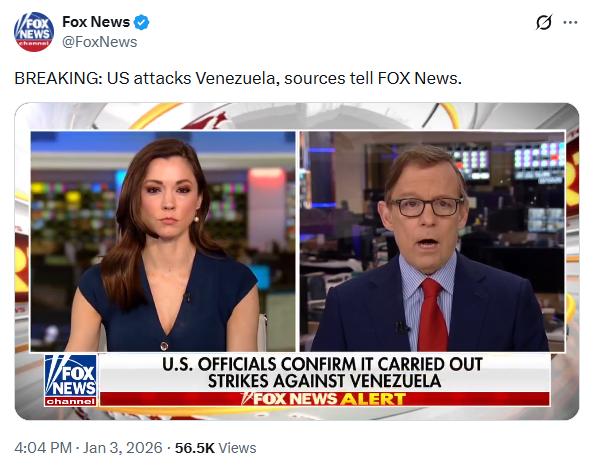
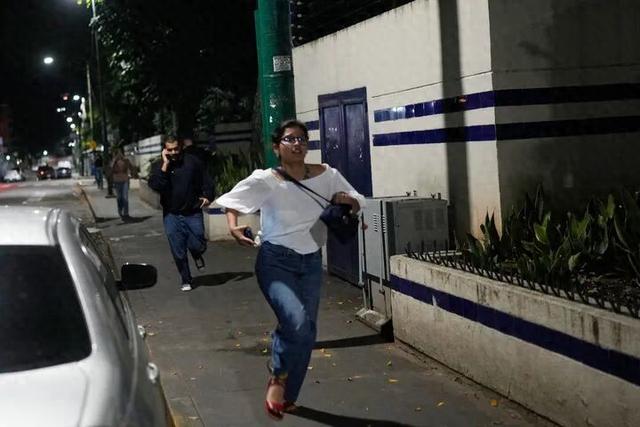
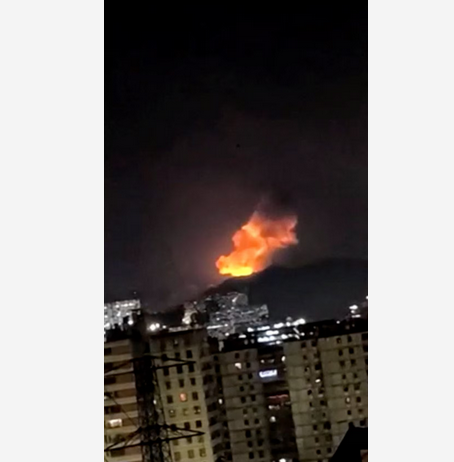
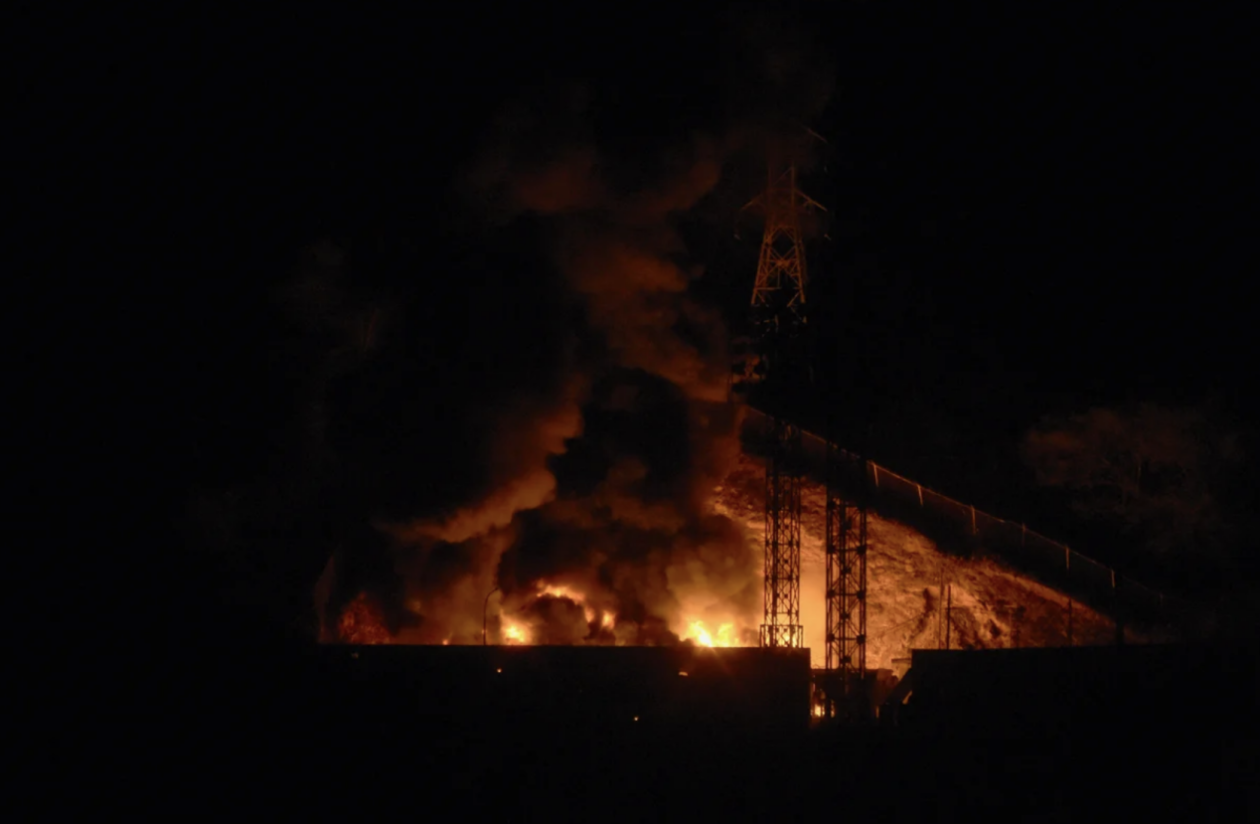
Core Viewpoint - The article discusses the escalating military tensions between the United States and Venezuela, highlighting the deployment of U.S. military assets and Venezuela's defensive measures in response to perceived threats [2][4][5]. Military Deployment - The U.S. military is utilizing MQ-9 Reaper drones, F-35 fighter jets, and AC-130J gunships near the Venezuelan coast to target suspected drug trafficking vessels, indicating a readiness for potential military action against Venezuela [2][4]. - Since September, the U.S. has conducted 19 airstrikes, destroying 20 vessels and killing 76 individuals involved in drug trafficking operations [4]. Venezuela's Response - Venezuela's military has conducted significant exercises, including the "Independence 200 Plan," and has successfully shot down an unauthorized aircraft attempting to enter its airspace [7][8]. - The Venezuelan military claims to have destroyed 24 illegal aircraft this year, emphasizing its commitment to maintaining national sovereignty and security [8]. Political Context - The U.S. Senate's recent rejection of a ban on military action against Venezuela has effectively provided a legal green light for potential strikes, raising concerns about regional stability and humanitarian crises [5]. - Venezuela is seeking assistance from countries like Russia to bolster its defense capabilities, including upgrading radar and missile systems [5]. International Relations - U.S. Secretary of State Marco Rubio denied reports of the UK halting intelligence sharing regarding drug trafficking vessels, asserting that U.S. military actions remain unaffected [11]. - The UK's decision to pause intelligence sharing reflects growing concerns about the legality of U.S. military operations in Latin America, indicating a potential rift between the U.S. and its closest allies [11].
航母压境 盟友避嫌 美为打击委内瑞拉做准备
Yang Shi Xin Wen· 2025-11-13 02:47
Core Viewpoint - The deployment of the USS Ford aircraft carrier strike group by the U.S. Navy in the Caribbean is aimed at combating drug trafficking and weakening transnational criminal organizations, amidst rising tensions with Venezuela, which is conducting military exercises in response [1][3][4]. Military Deployment - The USS Ford aircraft carrier strike group has arrived in the Southern Command area, marking a significant increase in U.S. military presence in the Caribbean, with over 15,000 personnel deployed, the largest scale in decades [4][6]. - Since September 2, the U.S. military has sunk 19 vessels suspected of drug trafficking in the Caribbean and Eastern Pacific, resulting in at least 76 deaths [3]. Venezuela's Response - Venezuela's military is conducting exercises to enhance command, control, and communication capabilities in response to perceived external threats, with the defense minister stating that the country is prepared to defend itself [8][9][11]. - Venezuelan President Maduro signed a law aimed at maintaining national sovereignty and independence, emphasizing the country's readiness to resist any actions that threaten its sovereignty [10][13]. International Reactions - The U.S. military actions in the Caribbean have faced criticism from multiple countries, including the UK and Colombia, which have suspended intelligence sharing with the U.S. due to concerns over legality and potential complicity in military actions [15][21][23]. - Russian and French officials have condemned U.S. actions as violations of international law, with calls for investigations into the legality of U.S. military operations [17][19][20]. Strategic Implications - Analysts suggest that the U.S. is prepared for military action against Venezuela, especially following the Senate's rejection of a ban on military intervention, which could lead to significant regional instability and humanitarian crises [24][26].
法国总统:打击贩毒必须尊重各国主权
Xin Hua She· 2025-11-08 00:11
当天,墨西哥总统辛鲍姆与马克龙在首都墨西哥城国家宫共同举行新闻发布会。一名记者就美国总统特 朗普称所谓"贩毒船"上人员为"恐怖分子"以及美方近期相关军事行动向马克龙提问。马克龙说:"法国 尊重每个国家的主权。正如我和辛鲍姆总统所说,打击毒贩是我们共同的任务。" 法国总统马克龙7日访问墨西哥。在被问及美国近期频频在拉美国家附近海域击沉所谓"贩毒船"时,马 克龙表示,打击贩毒必须尊重各国主权。 马克龙表示,法墨双方可携手打击贩毒,但在任何情况下,各国主权都必须得到绝对尊重。 法国媒体认为,马克龙这番话是对美方在加勒比海和东太平洋"反毒"行动的含蓄批评。 据美方通报,今年9月初以来,美军在加勒比海和东太平洋击沉的船只已达18艘,造成至少69人死亡。 这些行动在美国国内外引发争议和批评,一些联合国人权专家认为涉嫌"非法杀戮"。 (文章来源:新华社) ...
秘鲁国会宣布墨西哥总统为“不受欢迎的人”
Xin Hua Wang· 2025-11-07 03:28
Core Points - The Peruvian Congress declared Mexican President López Obrador as an "unwelcome person" with a vote of 63 in favor, 34 against, and 2 abstentions, aiming to defend national sovereignty and express a firm diplomatic stance against foreign interference in Peru's internal affairs [1] - The Mexican Foreign Ministry rejected the Peruvian Congress's decision, stating it was based on false claims and emphasized that Mexico has never interfered in Peru's internal matters [1] - The diplomatic tension arose after Mexico granted political asylum to former Peruvian Prime Minister Betssy Chávez, leading to Peru severing diplomatic relations with Mexico [1] Summary by Sections Political Context - The declaration by the Peruvian Congress is a response to perceived foreign interference, specifically regarding the asylum granted to Betssy Chávez by Mexico [1] - The Mexican government maintains that its actions are legal and in accordance with international law, countering Peru's claims of interference [1] Diplomatic Relations - Following the asylum decision, Peru announced the severance of diplomatic relations with Mexico, which Mexico expressed regret over [1] - The Mexican Foreign Ministry's statement highlighted the legality of its actions and criticized Peru's unilateral decision as disproportionate [1]
马来西亚否认与美国贸易协议损害国家主权:不受美国制裁约束!马来西亚仍可根据自身法律、国家政策和利益,自由地做出决定
Ge Long Hui· 2025-11-04 03:17
Core Viewpoint - Malaysia's national sovereignty is assured and not bound by U.S. sanctions, despite criticism faced by Prime Minister Anwar for signing a trade agreement with the U.S. [1] Group 1: Government Position - Malaysia can make decisions freely based on its own laws, national policies, and interests, as stated by the Ministry of Investment, Trade and Industry [3] - Former Prime Minister Mahathir Mohamad has called for Anwar and his cabinet to resign, claiming the trade agreement makes Malaysia a vassal state of U.S. interests [3] Group 2: Trade Agreement Concerns - Several lawmakers have raised concerns that the agreement's terms allow Washington to impose new tariffs and allegedly pressure Malaysia to align with U.S. trade policies [4] - The Ministry of Investment, Trade and Industry clarified that Malaysia will only act on issues involving shared economic or security interests with the U.S., and any actions will undergo consultation and cost-benefit analysis [4]
被美国制裁,两国总统回应!委内瑞拉总统:将竭力阻止战争发生!哥伦比亚总统:绝不向美国屈膝
Mei Ri Jing Ji Xin Wen· 2025-10-25 15:01
Core Points - The U.S. has imposed sanctions on Colombian President Petro and Venezuelan President Maduro, which both leaders have responded to strongly [1][4][5] - The U.S. military has increased its presence in the Caribbean, deploying the USS Gerald R. Ford carrier strike group to enhance its capabilities against drug trafficking and transnational crime [1] Group 1: U.S. Sanctions - The U.S. Treasury Department has sanctioned Petro, his family, and Colombia's Interior Minister Armando Benedetti, freezing their assets and financial services in the U.S. [4] - Petro condemned the sanctions as a "paradox," stating that Colombia has been effective in combating drug trafficking for decades, yet faces U.S. sanctions [2][4] Group 2: Responses from Leaders - Petro has hired a U.S. lawyer for defense and emphasized the need to stand firm against U.S. actions, advocating for the rights and democracy of the Colombian people [2] - Maduro accused the U.S. of creating a new war and emphasized the need for peace and harmony in South America and the Caribbean [5][7] Group 3: Regional Reactions - Brazilian President Lula criticized the U.S. actions as violations of national sovereignty, stating that no country should infringe upon another's rights under the pretext of combating drug trafficking [9]
欧洲人:我觉得中国不会因为安世和我们闹大,因为中国人不想丢脸
Sou Hu Cai Jing· 2025-10-23 21:39
Group 1 - The article discusses the misperception of Chinese culture by Europeans, particularly regarding the concept of "face" and its implications in international relations [2][3][15] - The Dutch government's abrupt takeover of ASML's Dutch headquarters and the replacement of Chinese management is framed as a violation of international trade rules, highlighting the significance of ASML in the automotive semiconductor sector [6][8] - The immediate response from ASML's Chinese factory in Dongguan to restrict chip exports has caused panic in the European automotive industry, particularly affecting major players like Volkswagen [10][21] Group 2 - The article emphasizes that the Dutch government's actions are self-defeating, as their preemptive measures to secure technology have led to the very supply chain disruptions they sought to avoid [22][24] - It points out the contradictions within the EU's strategy regarding technological sovereignty, as they aim to reduce dependence on China while being unable to bear the costs of decoupling [22][27] - The crisis triggered by the semiconductor issue is seen as an opportunity for Europe to reassess its understanding of China, although current attitudes suggest a persistence in outdated thinking [26][29]
稀土战开打!欧美抱团施压,贝森特煽动反华,关键时刻中方表态
Sou Hu Cai Jing· 2025-10-18 05:52
Core Viewpoint - The EU and G7 are pressuring China to lift its rare earth export controls, claiming it has led to global supply shortages, which is seen as an interference in China's sovereignty over its resources [2][5]. Group 1: EU and G7 Actions - The Danish Foreign Minister stated that EU actions would be coordinated with the US, indicating that the EU is following the US rather than acting in global interest [4]. - The EU's stance appears to prioritize Western interests over a collective global benefit [4]. Group 2: China's Role in Rare Earth Supply - China is the largest producer of rare earths, supplying over 80% of the global market for decades [5]. - Despite supplying rare earths at low prices, China faces technological restrictions from the West, particularly in high-tech sectors like semiconductors and AI [5]. Group 3: Double Standards and Criticism - Criticism from Western figures, such as Bessent, regarding China's export controls is seen as hypocritical, given the US's own past actions that disrupted global supply chains [7]. - Bessent's claims that China is using economic coercion to slow global growth misrepresent the broader economic landscape, where developing countries prioritize fair resource distribution over Western monopolization [8]. Group 4: China's Position on Export Controls - China's Ministry of Foreign Affairs clarified that its rare earth controls are not aimed at any specific country but are necessary to address environmental concerns and ensure resources are not used for military purposes [9][11]. - The measures taken by China are framed as a defense of national sovereignty rather than economic coercion, with a focus on resource protection and environmental sustainability [11]. Group 5: Future Cooperation - China is open to cooperation with other countries, provided there is mutual respect for sovereignty and equitable benefits [12].
综合消息丨拉美多国谴责美国中情局在委内瑞拉秘密行
Xin Hua Wang· 2025-10-18 01:52
Core Viewpoint - The article discusses the recent authorization by U.S. President Trump for the CIA to conduct covert operations in Venezuela, which has drawn strong condemnation from various Latin American governments and organizations, citing violations of international law and threats to regional stability [1][2][3]. Group 1: Reactions from Latin American Leaders - The Brazilian Labor Party condemned the U.S. actions as a violation of international law and an infringement on Venezuela's sovereignty, emphasizing the historical context of U.S. interference in South America [1]. - Brazilian President Lula stated that Brazil does not accept interference from one country into another, advocating for dialogue and respect to resolve issues in South America [1]. - Cuban President Díaz-Canel expressed support for Maduro and the Venezuelan people, calling for unity [2]. Group 2: Concerns Over Regional Stability - The Bolivian President Arce warned that the CIA's actions pose a blatant threat and could escalate military actions that jeopardize peace in Latin America and the Caribbean [2]. - Mexican President Sinhaum opposed any form of external interference, reinforcing the sentiment of regional autonomy [3]. - The Bolivarian Alliance for the Peoples of Our America stated that the U.S. actions represent a real threat to regional security, asserting that there should be no space for war and interference in the Americas [3]. Group 3: Expert Opinions on U.S. Actions - International relations experts in Brazil noted that the confirmation of CIA operations in Venezuela sets a dangerous precedent, potentially justifying future U.S. military interventions in Latin America [3]. - Experts highlighted that the U.S. aims to regain control over Venezuela due to its critical position in the regional energy landscape, with claims that the U.S. justification of anti-drug operations is merely a pretext [3]. - Recent U.S. military deployments in the Caribbean, under the guise of anti-drug operations, have included sinking alleged drug trafficking boats and killing supposed drug dealers, despite reports indicating that Venezuela is not a major source of drugs entering the U.S. [3].
五角大楼语焉不详,美委局势日趋紧张,美海军上将敏感时刻提前卸任
Huan Qiu Shi Bao· 2025-10-17 22:38
Core Points - The unexpected retirement of Admiral Halsey, commander of the U.S. Southern Command, occurs amid escalating tensions between the U.S. and Venezuela, raising concerns about U.S. military strategy in the region [1][2] - The U.S. military has increased its presence in the Caribbean, with over 10,000 troops deployed near Venezuela, purportedly to combat "drug terrorism" [2] - Recent military actions by the U.S. against suspected drug trafficking vessels have led to legal and ethical debates regarding their compliance with international law [3][4] Group 1 - Admiral Halsey announced his retirement effective December 12, without providing specific reasons, amidst reported disagreements with Defense Secretary Austin regarding military actions in the Caribbean [1] - The U.S. Senate Military Committee expressed concerns that Halsey's departure reflects a disregard for military experience and advice, potentially politicizing military operations [2] - The U.S. has deployed military assets, including missile destroyers and F-35 fighter jets, in the Caribbean, indicating a significant military buildup in response to the situation in Venezuela [2] Group 2 - The U.S. military has conducted strikes against suspected drug trafficking vessels, resulting in casualties among alleged traffickers, which has raised alarms among legal experts and some lawmakers regarding the legality of these actions [3] - Venezuela's government has condemned U.S. military actions, asserting that they threaten regional peace and sovereignty, and has called for an investigation into the legality of these operations [4] - The U.S. maintains that its actions are justified under the right to self-defense as outlined in the UN Charter, despite Venezuela's protests and calls for international scrutiny [4]