门罗主义

Search documents
【环时深度】多派角力如何影响美国外交
Huan Qiu Shi Bao· 2025-04-22 22:50
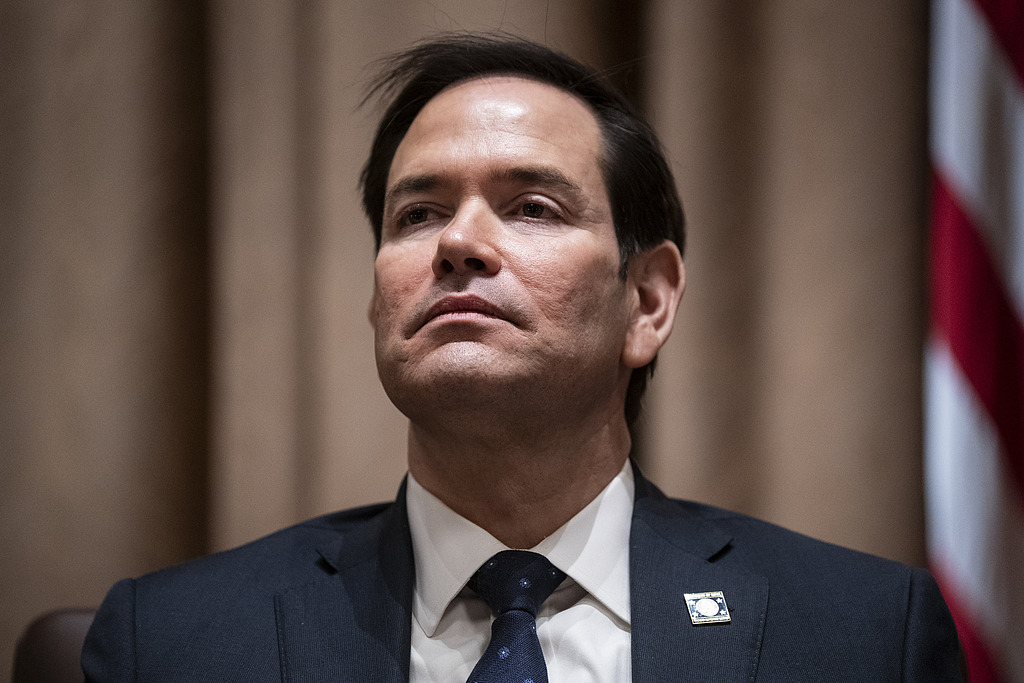
【环球时报驻美国特约记者 冯亚仁 环球时报记者 陆泽楠】编者的话:"每个总统都有一个外交政策,而(美国总统)特朗普有5个。"美国外交政 策学者、约翰斯·霍普金斯大学高级国际研究院亨利·基辛格全球事务杰出教授哈尔·布兰兹日前刊文称,本届美国政府内部呈现出五大"截然不同的 外交思潮"——"全球鹰派""亚洲优先派""回归美国派""经济民族主义派"和"MAGA(让美国再次伟大)强硬派"。布兰兹认为,这些派别各自主张 不同的外交优先事项,形成了一场复杂的政策竞逐。多位接受采访的专家学者告诉《环球时报》记者,深入研究这些不同派别有利于理解美国外 交政策的变化。尽管不同学者的分类标准不同,但非建制派和民族主义派对精英建制派和全球主义派的挑战是美国外交派别分化的大势所趋。也 有专家认为,在观察美国外交政策这一热点问题多、意见分歧大的领域时,应针对具体热点问题具体分析。 特朗普政府的五大外交政策派别 布兰兹对美国外交政策五大派别的代表人物和主张进行了梳理。首先,"全球鹰派"(Global Hawks)代表人物包括国务卿鲁比奥和总统国家安全 事务助理华尔兹。他们认为,美国的全球霸权是国际稳定的基石。他们主张对俄罗斯、中国等他们认 ...

特朗普2.0的外交逻辑(国金宏观赵宏鹤)
雪涛宏观笔记· 2025-04-03 03:09
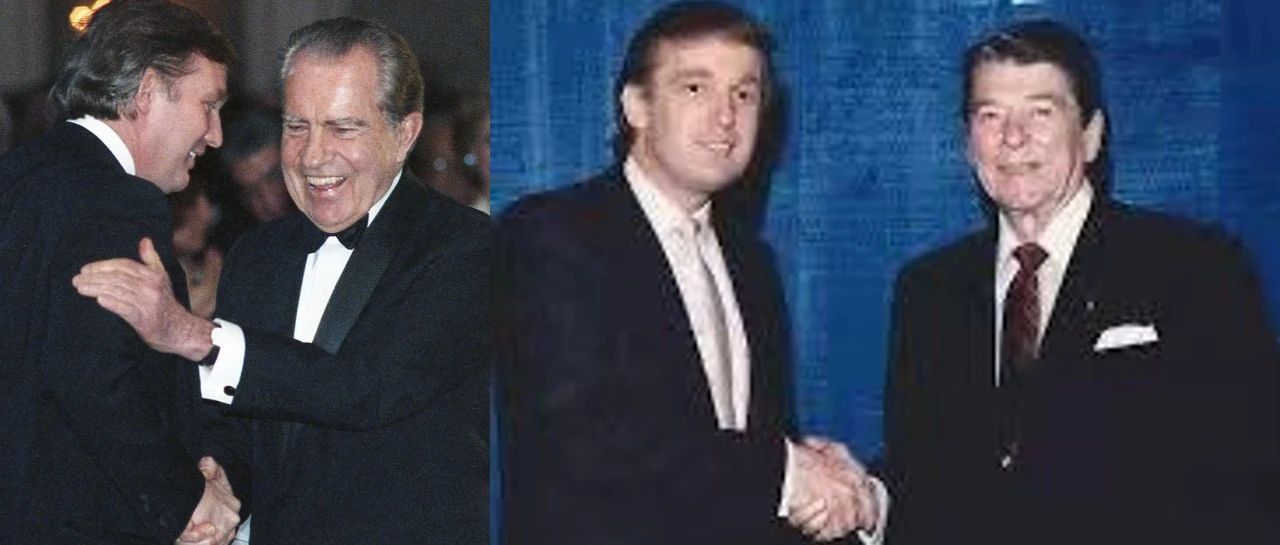
Core Viewpoint - The article argues that Trump's second term represents a complete rejection of Biden's foreign policy, replacing it with a Monroe Doctrine approach and a strategy of détente, characterized by distinct ideological preferences and tariff threats [1][13]. Group 1: Current Situation and Long-term Vision - Trump perceives the current state of America as diminished, facing issues such as illegal immigration, wealth disparity, and industrial decline, compounded by rising debt and inflation under Biden's administration [3]. - The need for a transformative change is emphasized, aiming to restore technological, military, and dollar supremacy to make America "great again" [3]. Group 2: Historical Context - Nixonism - The article draws parallels between the current U.S. situation and the 1970s, highlighting economic struggles and foreign policy challenges, including the Vietnam War and the decline of the Bretton Woods system [4][6]. - Nixon's policies focused on reducing foreign commitments, enhancing defense in the Americas, and easing tensions with the Soviet Union, which are seen as relevant to Trump's current strategy [5]. Group 3: Trump's Foreign Political Logic - The current U.S. environment mirrors the 1970s, with economic inflation and rising living costs, necessitating a strategic adjustment in foreign policy [6]. - Trump’s admiration for Nixon over Reagan indicates a shift towards a more cautious and ideologically driven foreign policy approach [6]. Group 4: Key Strategies - Ensuring the security of the Americas is prioritized, with specific focus on strategic locations like the Panama Canal and Greenland, which hold significant geopolitical value [7][8]. - A selective strategic withdrawal is proposed, focusing on U.S. core interests and aligning with MAGA ideology, leading to a reduction in foreign aid and intervention [9]. Group 5: Tariffs as a Diplomatic Tool - Tariffs are positioned as a means to extract diplomatic concessions, leveraging the U.S.'s status as a leading consumer nation, despite the decline in manufacturing [12]. - Trump's approach contrasts with previous strategies that relied on military threats and technological leverage, showcasing a new method of using tariffs for negotiation [12]. Group 6: Rejection of Biden's Foreign Policy - The article concludes that Trump's approach fundamentally rejects Biden's interventionist policies, which have led to electoral defeat, and emphasizes a return to a more isolationist and ideologically driven foreign policy [13]. - The implications of this shift are significant for global order, particularly for Europe, which is already feeling the pressure of U.S. strategic realignment [13].