Immunotherapy

Search documents
BriaCell's Bria-IMT™ Demonstrates Survival Advantage over Trodelvy® and Control Group in Metastatic Breast Cancer
GlobeNewswire News Room· 2025-07-11 11:30
Core Insights - BriaCell Therapeutics Corp. announced updated Phase 2 survival data for its lead immunotherapy candidate, Bria-IMT, in combination with an immune checkpoint inhibitor, showing a significant survival advantage in heavily pretreated metastatic breast cancer patients [1][2]. Survival Data Analysis - The Phase 2 study demonstrated that the median overall survival (OS) for triple-negative breast cancer (TNBC) patients treated with Bria-IMT plus CPI was 13.9 months, surpassing Trodelvy's 11.8 months and single-agent chemotherapy's 6.9 months [3][4][5]. - For hormone receptor-positive (HR+) metastatic breast cancer patients, the median OS with Bria-IMT plus CPI was 17.3 months, exceeding Trodelvy's 14.4 months and single-agent chemotherapy's 11.2 months [4][5]. - The study included 54 heavily pretreated metastatic breast cancer patients, with a median of six prior therapies, and no treatment-related discontinuations were reported [7]. Comparison with Established Treatments - Bria-IMT's performance in TNBC and HR+ patient subtypes outperformed established benchmarks, indicating a potential clinical impact of the novel immunotherapy [2][4]. - The survival rates at 6 months for TNBC patients were 78% for Bria-IMT plus CPI compared to 80% for Trodelvy and 56% for single-agent chemotherapy [3]. - For HR+ patients, the survival rates at 6 months were 90% for Bria-IMT plus CPI, compared to 83% for Trodelvy and 76% for single-agent chemotherapy [3]. Future Outlook - The company is looking forward to validating these findings in its ongoing pivotal Phase 3 study, which has overall survival as its primary endpoint [2][6].


BriaCell’s Bria-IMT™ Demonstrates Survival Advantage over Trodelvy® and Control Group in Metastatic Breast Cancer
Globenewswire· 2025-07-11 11:30
Core Insights - BriaCell Therapeutics Corp. announced updated Phase 2 survival data for its lead immunotherapy candidate, Bria-IMT, in combination with an immune checkpoint inhibitor, showing a significant survival advantage in heavily pretreated metastatic breast cancer patients [1][2]. Survival Data Analysis - The Bria-IMT regimen demonstrated a median overall survival (OS) of 13.9 months in triple-negative breast cancer (TNBC) patients, surpassing Trodelvy's 11.8 months and single-agent chemotherapy's 6.9 months [3][4]. - In hormone receptor-positive (HR+) metastatic breast cancer, the median OS for Bria-IMT was 17.3 months, exceeding Trodelvy's 14.4 months and single-agent chemotherapy's 11.2 months [3][4]. - The study included 54 heavily pretreated metastatic breast cancer patients, with a median of six prior therapies, and no treatment-related discontinuations were reported [6]. Comparison with Established Treatments - Bria-IMT's performance outperformed established benchmarks like Trodelvy in both TNBC and HR+ patient subtypes, indicating its potential clinical impact [2][5]. - The median OS for Bria-IMT in TNBC patients is higher than that reported in the treatment arm of the ASCENT study for TNBC patients, and it is twice that reported in the physician's choice arm [5]. Future Outlook - The company is looking forward to validating these findings in its ongoing pivotal Phase 3 study, which has overall survival as its primary endpoint [2].

Oncolytics Biotech® to Host Key Opinion Leader Discussion Focusing on Pancreatic and Gastrointestinal Cancers
Prnewswire· 2025-07-10 12:30
Core Viewpoint - Oncolytics Biotech Inc. is hosting a KOL webinar on July 22, 2025, to discuss the immunotherapeutic agent pelareorep in the context of metastatic pancreatic ductal adenocarcinoma and other gastrointestinal cancers [1][2]. Company Overview - Oncolytics Biotech Inc. is a clinical-stage biotechnology company focused on developing pelareorep, an intravenously delivered immunotherapeutic agent that has shown promising results in clinical studies for metastatic breast cancer and pancreatic cancer [10][11]. - Pelareorep works by inducing anti-cancer immune responses and transforming "cold" tumors into "hot" tumors, enhancing the effectiveness of various cancer treatments [10]. Webinar Details - The webinar will feature key opinion leaders (KOLs) including Dirk Arnold, Alexander Eggermont, Sanjay Goel, and Devalingam Mahalingam, who will discuss existing clinical data and the potential of pelareorep in treating mPDAC and other gastrointestinal cancers [2][4][5][6][8]. - A live Q&A session will follow the formal presentation and roundtable discussion [3]. KOL Profiles - Dirk Arnold, M.D., Ph.D., is a prominent figure in gastrointestinal cancers and immunotherapy, with extensive experience in clinical trials [4]. - Alexander Eggermont, M.D., Ph.D., has a strong background in clinical and translational immunotherapy, having authored over 900 peer-reviewed papers [5]. - Sanjay Goel, M.D., M.S., FASCO, focuses on drug development and health disparities, with over 150 research publications [6][7]. - Devalingam Mahalingam, M.D., Ph.D., specializes in early-phase clinical studies and has been involved in numerous clinical trials [8][9].


PDS Biotech Announces Colorectal Cancer Cohort of Phase 2 Clinical Trial with PDS01ADC Met Criteria for Expansion to Stage 2 Following Positive Stage 1 Results
Globenewswire· 2025-07-10 12:00
Core Insights - PDS Biotechnology Corporation has completed patient recruitment for Stage 1 of a clinical trial for its PDS01ADC therapeutic in combination with floxuridine for metastatic colorectal cancer, leading to an expansion into Stage 2 of the study [1][2] Group 1: Clinical Trial Details - The trial is an open-label, single-center, non-randomized Phase 2 study with three cohorts: metastatic colorectal cancer, cholangiocarcinoma, and adrenocortical cancer [2] - The colorectal cancer cohort achieved the milestone of at least 6 out of 9 participants showing an objective response, allowing enrollment to continue up to 22 participants [2] - The study is conducted under a collaborative research and development agreement with the National Cancer Institute (NCI) [2] Group 2: Product Information - PDS01ADC is a fused antibody drug conjugate that targets tumor necrosis by binding to exposed DNA [3] - The investigational approach aims to minimize systemic exposure to IL-12, potentially reducing treatment-limiting toxicities [4] Group 3: Market Context - Colorectal cancer is a significant health issue, with over 930,000 deaths globally in 2020, highlighting the need for more effective treatments [4] - In the U.S., over 150,000 new cases of colorectal cancer are diagnosed annually, with 20% already metastatic at diagnosis [4]


BriaCell Reports Complete and Sustained Resolution of Brain Metastasis and Sustained Regression of Orbital Metastasis in “Eye-Bulging” Breast Cancer Patient
Globenewswire· 2025-07-10 11:30
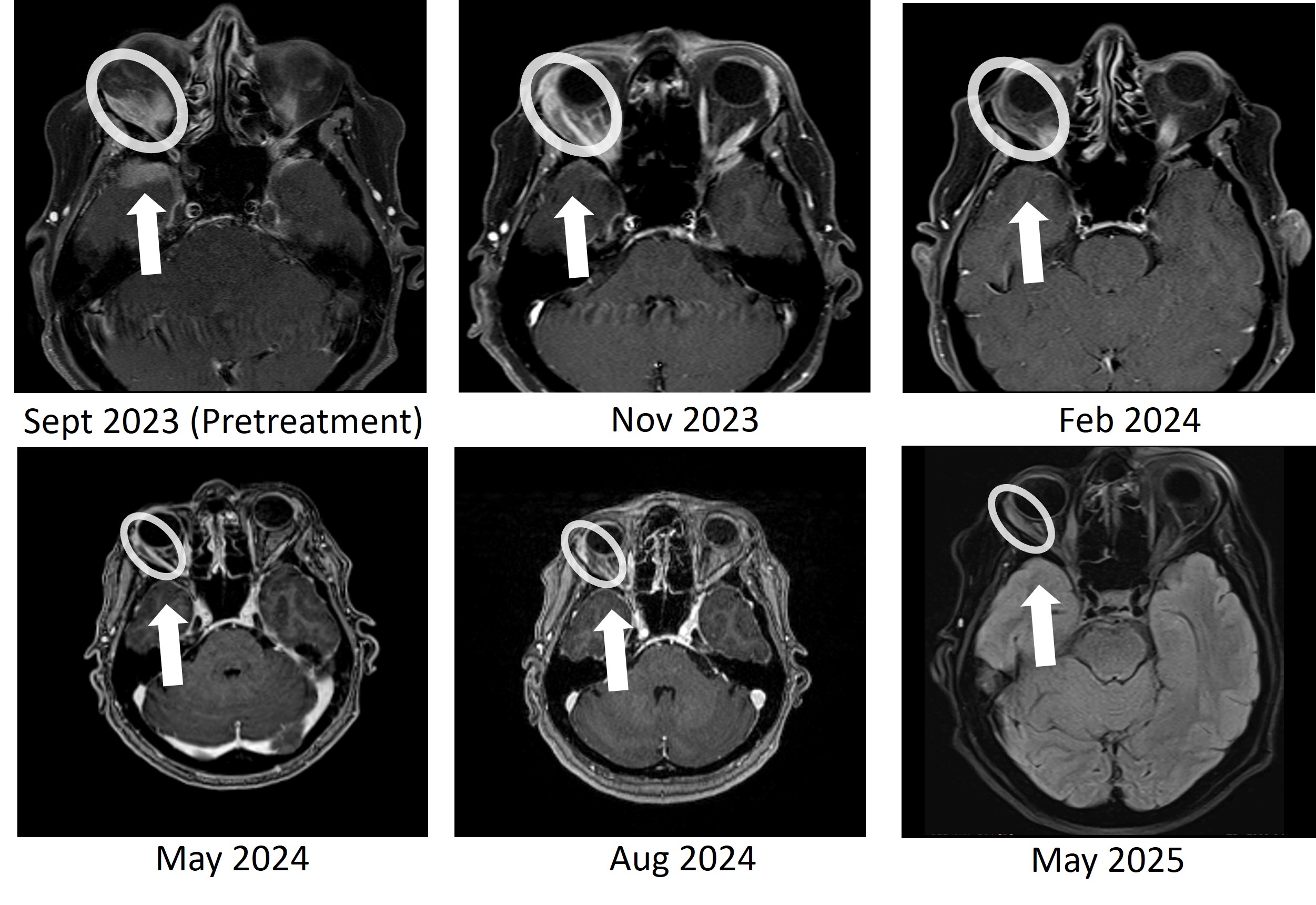
Core Insights - BriaCell Therapeutics Corp. announced updated results from its ongoing Phase 2 study of Bria-IMT™ in combination with checkpoint inhibitors for patients with advanced metastatic breast cancer [1] Group 1: Study Results - The Phase 2 study reported sustained complete resolution of temporal lobe brain metastasis and continued reduction of an orbital tumor after more than 18 months of treatment [2][5] - A heavily pre-treated patient, who had failed eight prior treatment regimens, demonstrated no detectable disease in the right temporal lobe and ongoing tumor shrinkage in the orbital lesion after 20 months [5][6] - Serial imaging confirmed the right temporal lobe lesion was no longer detectable at 8, 11, and 20 months [3][5] Group 2: Patient Profile - The patient had previously undergone eight treatment regimens, including an antibody-drug conjugate (ADC), before starting therapy with Bria-IMT plus checkpoint inhibition [5][7] - The patient has completed 29 treatment cycles and has been part of BriaCell's Phase 2 study for over 21 months [5][7] Group 3: Company Perspective - Dr. William V. Williams, BriaCell's President & CEO, stated that the results suggest Bria-IMT may provide durable immunotherapeutic benefits for late-stage breast cancer patients with brain metastases who have exhausted other options [6]
Candel Therapeutics Expands Russell Index Presence with Addition to Multiple Value-Oriented Indexes in 2025 Reconstitution
Globenewswire· 2025-07-09 12:05
Core Insights - Candel Therapeutics, Inc. has been added to multiple Russell indexes as part of the 2025 Russell US Indexes annual reconstitution, effective June 30, 2025, which reflects the company's progress in clinical programs and discovery efforts in cancer immunotherapy [1][2][3] Company Overview - Candel is a clinical-stage biopharmaceutical company focused on developing multimodal biological immunotherapies to elicit systemic anti-tumor immune responses [4] - The company has established two clinical-stage platforms based on genetically modified adenovirus and herpes simplex virus (HSV) gene constructs [4] Clinical Development - Candel's lead product candidate, CAN-2409, has completed successful phase 2a clinical trials in non-small cell lung cancer (NSCLC) and pancreatic ductal adenocarcinoma (PDAC) [5] - A pivotal phase 3 clinical trial of CAN-2409 in localized prostate cancer is ongoing under a Special Protocol Assessment (SPA) with the FDA [5] - CAN-2409 has received Fast Track Designation from the FDA for multiple indications, including treatment-resistant PDAC and localized prostate cancer [5] Strategic Importance of Index Inclusion - Inclusion in the Russell Value indexes is expected to enhance Candel's engagement with the investment community and support its pre-commercialization efforts for CAN-2409 [3] - Russell indexes are widely utilized by investment managers and institutional investors, with approximately $10.6 trillion in assets benchmarked against them [3] Future Prospects - The company is preparing for a potential submission of a Biologics License Application for CAN-2409 and continues to advance its innovative immunotherapy platform across various solid tumors [3] - Candel's enLIGHTEN™ Discovery Platform aims to leverage human biology and advanced analytics to create new viral immunotherapies for solid tumors [6]


Kazia Therapeutics Reports Early Efficacy Data from First Triple-Negative Breast Cancer Patient Receiving Paxalisib Combination Regimen achieving >50% Reduction in Circulating Tumor Cells in Phase 1b Trial
Prnewswire· 2025-07-09 12:00
Core Insights - Kazia Therapeutics has announced preliminary results from its Phase 1b trial involving Paxalisib, pembrolizumab, and standard chemotherapy, showing promising outcomes in a patient with metastatic triple-negative breast cancer [1][5][6] Patient Profile - The trial's first patient is a 61-year-old female diagnosed with metastatic triple-negative breast cancer, specifically localized to the left upper lobe of the lung [3] Clinical Significance of Patient Data - Circulating tumor cell (CTC) clusters are critical in metastasis and are associated with poor prognosis; they can resist apoptosis and evade immune detection [4] - The combination treatment of Paxalisib and immunotherapy resulted in a rapid reduction of both CTC numbers and clusters, which is not typically observed with chemotherapy or immunotherapy alone [5][6] Mechanistic Insights - The early data aligns with preclinical findings that suggest Paxalisib disrupts both single CTCs and multicellular clusters, indicating a mechanistic synergy [2][5] Next Steps - The company plans to explore the relationship between CTC kinetics and radiographic responses, continue patient enrollment, and conduct a comprehensive analysis of the immune microenvironment and CTC kinetics [7] - The investigational regimen includes Paxalisib, pembrolizumab, and chemotherapy, with results showing over 50% reduction in total CTC count and a notable decrease in CTC clusters [7] Company Overview - Kazia Therapeutics is an oncology-focused drug development company based in Sydney, Australia, with its lead program being Paxalisib, which targets the PI3K/Akt/mTOR pathway for various cancers [9]


BriaCell Patient Achieves Sustained Complete Resolution of Lung Metastasis in Bria-OTS™ Metastatic Breast Cancer Study
Globenewswire· 2025-07-09 11:30
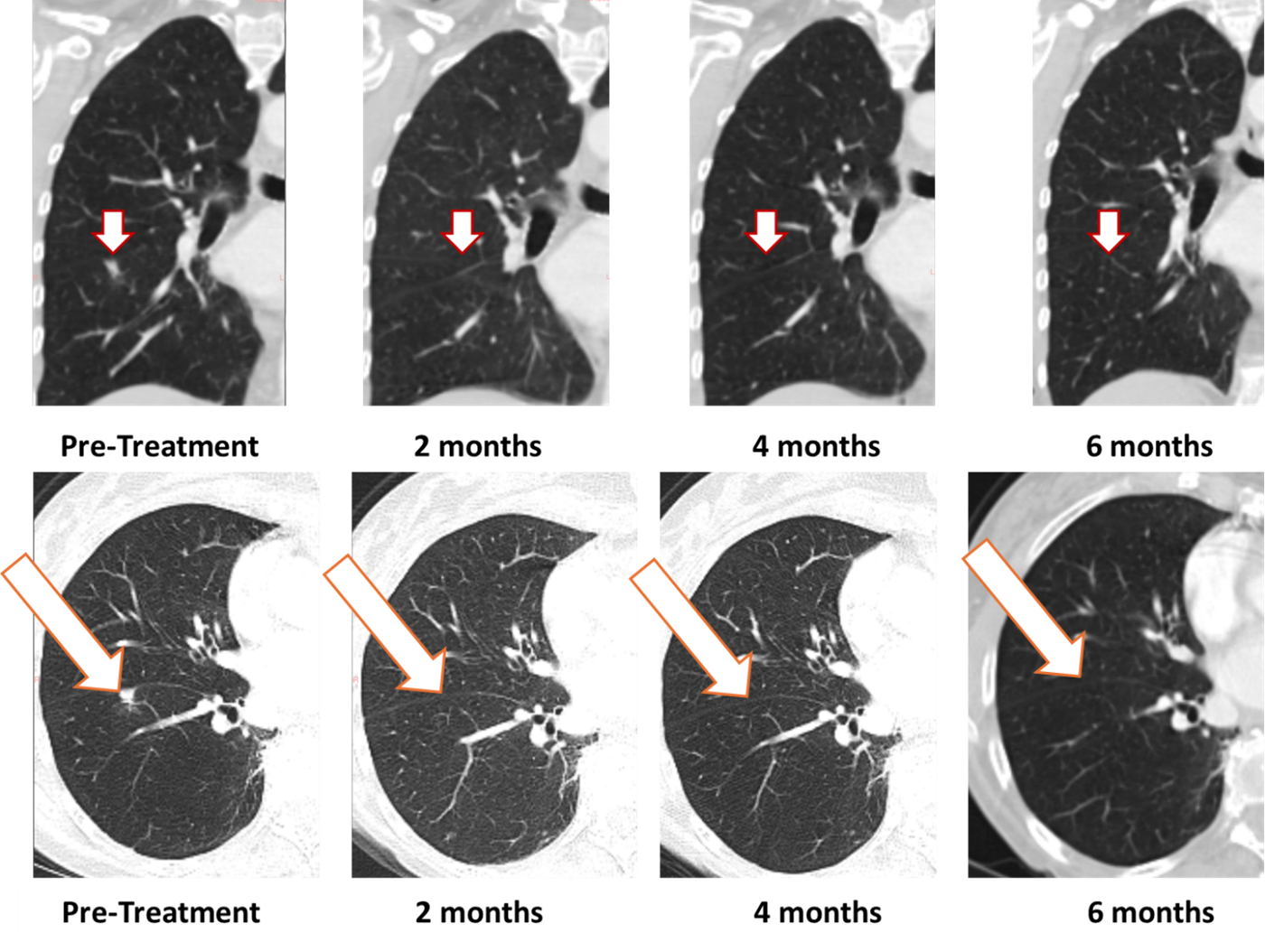
Core Insights - BriaCell Therapeutics Corp. announced the sustained complete resolution of lung metastasis in a patient with hormone receptor-positive, HER2-negative metastatic breast cancer treated with Bria-OTS, a personalized off-the-shelf immunotherapy [1][2]. Group 1: Clinical Results - The first patient in the Bria-OTS study, a 78-year-old woman with advanced disease and multiple prior treatment failures, achieved 100% resolution of a lung metastasis after four doses of Bria-OTS monotherapy, confirmed at two, four, and six months [2][3]. - The patient has received a total of 12 cycles of Bria-OTS to date, with no treatment-limiting toxicities observed [6]. Group 2: Expert Commentary - Dr. Neal S. Chawla, Principal Investigator for the Bria-OTS study, highlighted the strong single-agent activity in a challenging patient population and expressed eagerness to explore this approach across more patient subtypes and tumors [5]. - Dr. William V. Williams, BriaCell's President and CEO, emphasized the remarkable and durable clinical response, particularly at the lowest dose level, and indicated plans to evaluate Bria-OTS in combination with a checkpoint inhibitor to enhance outcomes for patients with advanced breast cancer [5]. Group 3: About Bria-OTS - Bria-OTS is a next-generation, off-the-shelf personalized immunotherapy based on BriaCell's lead candidate, Bria-IMT, currently in a Phase 1/2a study for metastatic recurrent breast cancer, which includes both monotherapy dose escalation and combination dose expansion cohorts [7].
Oncolytics Biotech® Highlights Transformative Pelareorep Survival Data in Multiple Tumors and Commitment to Registration-Enabling Studies
Prnewswire· 2025-07-08 12:30
Core Insights - Oncolytics Biotech Inc. has reported compelling clinical data for its oncolytic virus immunotherapy, pelareorep, showing a significant two-year survival benefit of 21.9% in metastatic pancreatic ductal adenocarcinoma (mPDAC) compared to a historical benchmark of 9.2% [1][2] - The company is shifting its strategy to focus on advancing pelareorep into registration-enabling trials, leveraging its fast-track status to expedite the regulatory process [2][7] - Pelareorep has demonstrated a favorable safety profile across over 1,100 patients, with common treatment-related adverse events being manageable and transient [6][8] Clinical Data Summary - In mPDAC trials, pelareorep combined with chemotherapy showed a 2-year overall survival rate of 21.9% versus 9.2% from historical data, with a 62% objective response rate (ORR) in a single-arm study [2][3] - In HR+/HER2- metastatic breast cancer, pelareorep has shown a median overall survival benefit of over 10 months compared to standard chemotherapy, with specific studies indicating mOS of 21.0 months versus 10.8 months [5][6] - The disease control rate (DCR) for pelareorep in combination with gemcitabine was reported at 83%, significantly higher than the 33% benchmark [3] Regulatory and Developmental Status - Pelareorep has received Fast Track designations from the FDA for both metastatic breast cancer and mPDAC, indicating its potential as a significant therapeutic option [7][9] - The company is planning combination clinical trials with pelareorep in various solid tumors as it moves towards registrational studies [9]

BeyondSpring Publishes Human Clinical Study in Med (Cell Press) Showing Plinabulin-Driven Dendritic Cell Maturation and Tumor Response After Prior Checkpoint Inhibitor Failure
Globenewswire· 2025-07-07 11:00
Core Insights - BeyondSpring Inc. announced a human clinical study demonstrating that Plinabulin, in combination with radiation and a checkpoint inhibitor, induces dendritic cell maturation and elicits tumor responses in patients with multiple cancer types who had previously failed ICI therapy [1][2] - The study identified a potential biomarker, baseline GEF-H1 immune signature, which may enable patient pre-selection and clinical response prediction [1][8] Clinical Study Overview - The Phase 1 translational trial evaluated a triple immunotherapy approach combining Plinabulin, radiation, and anti-PD-1 checkpoint inhibitors in patients with eight cancer types who are refractory or relapsed on prior ICI therapy [3] - Nineteen patients received the combination regimen, with an objective response rate (ORR) of 23% and a disease control rate (DCR) of 54% in non-irradiated lesions [4][8] Mechanism of Action - Plinabulin triggered dendritic cell maturation post-radiation via GEF-H1 signaling, leading to increased expression of DC maturation markers [5][11] - The mechanism of Plinabulin is distinct from traditional tubulin agents, promoting dendritic cell maturation and anti-tumor T-cell immunity without interfering with tubulin stabilizers [11] Biomarker Insights - Single-cell RNA sequencing differentiated responders from non-responders, identifying baseline GEF-H1 immune gene expression as a potential predictive biomarker for Plinabulin response [6][8] Company Background - BeyondSpring is a clinical-stage biopharmaceutical company focused on developing first-in-class therapies for high unmet medical needs, with Plinabulin as its lead asset in late-stage clinical development for various cancer indications [14]