
巴勒斯坦问题

Search documents
中方是否考虑就加沙民众转移问题与印尼开展人道主义合作?外交部回应
Huan Qiu Wang· 2025-08-08 10:40
Core Viewpoint - The Chinese government emphasizes the urgent need for a lasting ceasefire in Gaza and the facilitation of humanitarian aid access, while expressing willingness to collaborate with the international community to address the Palestinian issue comprehensively and justly [1]. Group 1 - The Chinese Foreign Ministry acknowledges the severe humanitarian disaster caused by the conflict in Gaza [1]. - The Chinese government does not have specific information regarding Indonesia's plan to transfer injured individuals from Gaza for treatment [1]. - There is a call for immediate efforts to achieve a durable ceasefire in Gaza [1]. Group 2 - The Chinese government expresses readiness to work with the international community to amplify efforts regarding the Palestinian issue [1]. - The focus is on promoting a comprehensive, just, and lasting resolution to the Palestinian issue [1].
外交部:对美向巴勒斯坦民族权力机构官员和巴解组织发起制裁感到震惊
Xin Hua She· 2025-08-01 10:02
Core Viewpoint - China expresses shock and disappointment over the U.S. sanctions against Palestinian officials and the Palestine Liberation Organization, emphasizing the need for a fair and responsible approach to the Palestinian issue [1][2] Group 1: U.S. Sanctions - The U.S. State Department announced sanctions against Palestinian officials and members of the Palestine Liberation Organization, citing actions that internationalize the Israeli-Palestinian conflict and support for terrorism [1] - The U.S. claims these sanctions are necessary to protect national security interests and to hold the Palestinian side accountable for their actions [1] Group 2: China's Position - China firmly supports the Palestinian people's legitimate rights and the effective governance of all Palestinian territories, including Gaza and the West Bank [2] - China advocates for a comprehensive, just, and lasting resolution to the Palestinian issue based on the "two-state solution" and will continue to work with the international community towards this goal [2]
美国对中国实施网络攻击,中方回应
证券时报· 2025-08-01 08:57
Group 1 - The article highlights the recent allegations by the China Cybersecurity Association regarding the U.S. government's cyber attacks on China, using countries like Germany, South Korea, Singapore, and the Netherlands as platforms for these attacks [1][3] - It mentions that in 2024, foreign state-level APT organizations are expected to conduct over 600 cyber attack incidents against important Chinese entities, targeting critical information infrastructure and significant information systems [1][3] - The spokesperson emphasizes that the U.S. is the primary cyber threat to China and criticizes the U.S. for its hypocritical stance on cybersecurity [3] Group 2 - The article discusses China's consistent opposition to the imposition of tariffs by the U.S., stating that trade wars have no winners and that protectionism harms the interests of all parties involved [3] - It also addresses the recent U.S. sanctions against Palestinian officials and organizations, expressing China's shock and disappointment at the U.S. disregard for international efforts towards peace [3][4] - The spokesperson reiterates China's support for the Palestinian people's legitimate rights and calls for a fair and responsible approach from the international community, particularly the U.S., in resolving the Palestinian issue [4]

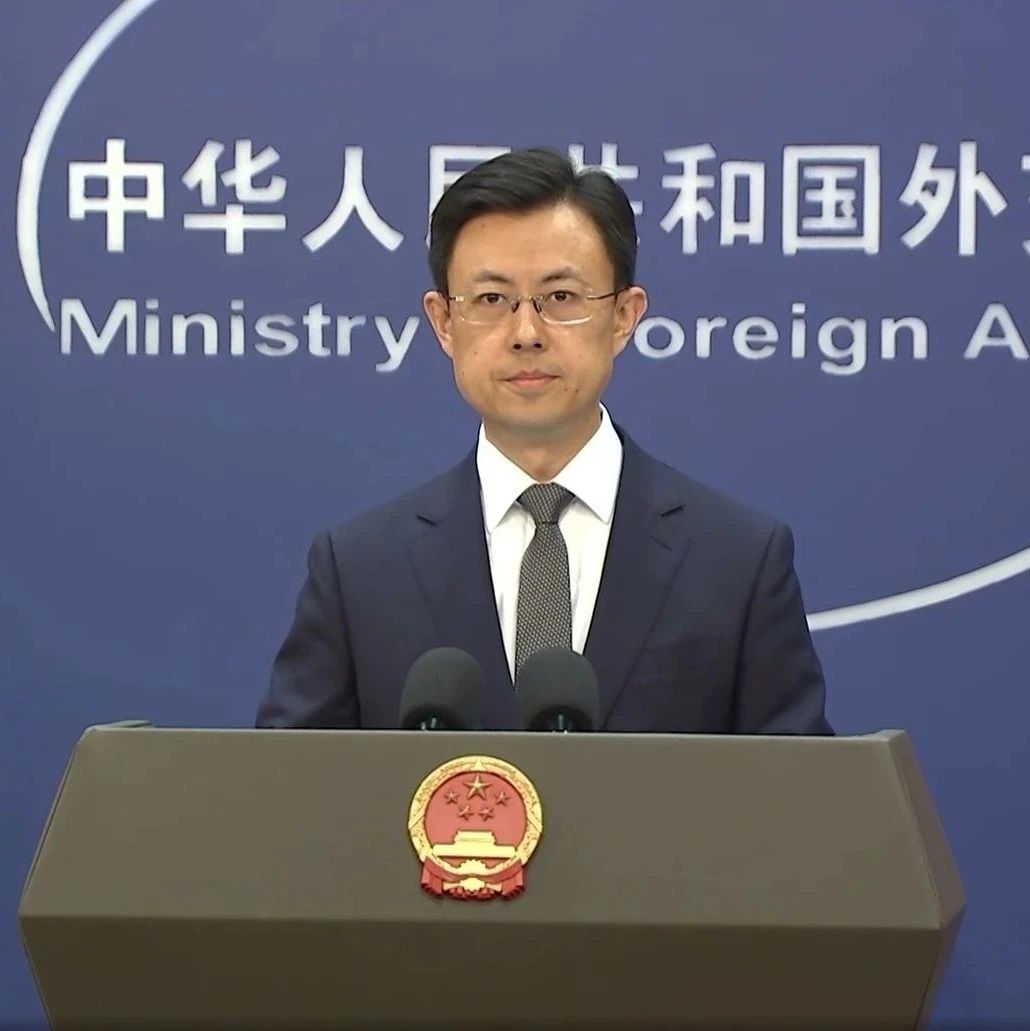
美国宣布制裁,外交部:震惊,失望,无法理解
券商中国· 2025-08-01 08:14
Group 1 - The article discusses China's response to the recent U.S. sanctions against Palestinian officials and the Palestinian Liberation Organization, expressing shock and disappointment at the U.S. actions [1] - It emphasizes that the Palestinian issue is central to the Middle East conflict and calls for a fair and responsible approach from the international community, particularly the U.S., to resolve the issue [1] - China reaffirms its support for the Palestinian people's legitimate rights and the governance of Palestinian territories, advocating for a comprehensive and just resolution based on the "two-state solution" [1]
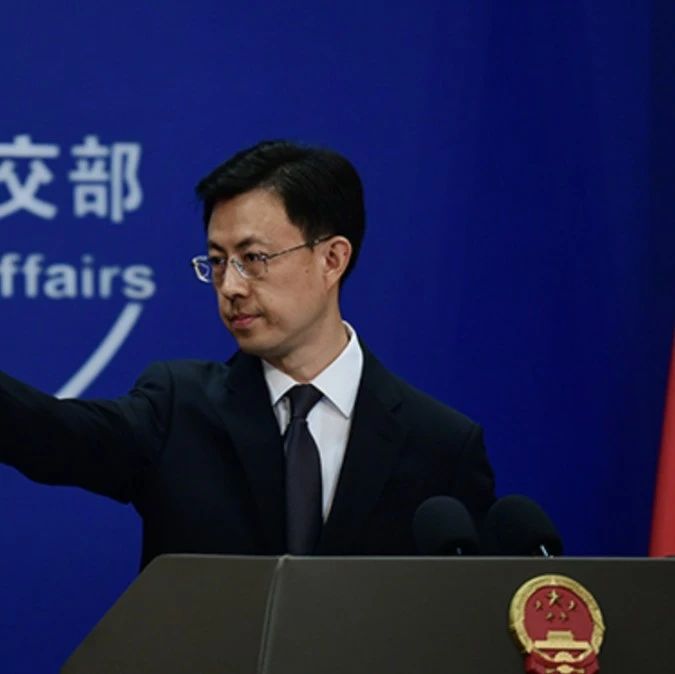
外交部:对美方制裁感到震惊、失望和无法理解
Bei Jing Ri Bao Ke Hu Duan· 2025-08-01 07:42
Core Viewpoint - The Chinese government expresses shock and disappointment over the U.S. sanctions against Palestinian officials, emphasizing the need for a fair and responsible approach to the Palestinian issue, which is seen as central to Middle Eastern conflicts [3]. Group 1 - The U.S. Department of State announced sanctions against Palestinian officials, citing actions that internationalize the Israeli-Palestinian conflict and accusations of funding terrorism [1]. - The Chinese government criticizes the U.S. for ignoring international calls for moderation and for failing to uphold justice regarding the Palestinian issue [3]. - The Chinese government reaffirms its support for the Palestinian people's legitimate rights and calls for effective governance over all Palestinian territories [3]. Group 2 - The Chinese government advocates for a comprehensive, just, and lasting resolution to the Palestinian issue based on the "two-state solution" [3]. - The Chinese government commits to working with the international community to promote efforts towards resolving the Palestinian issue [3].
德国外长:以色列在巴勒斯坦问题上“越来越处于少数”
news flash· 2025-07-31 16:17
德国外交部长瓦德富尔7月31日说,随着加沙人道主义危机日益严峻,一些国家考虑承认巴勒斯坦国, 以色列在巴勒斯坦问题上"越来越处于少数",在外交上"日渐孤立"。 ...
中国代表强调中东不稳则天下难安
Xin Hua She· 2025-07-23 22:56
Group 1 - The instability in the Middle East poses a global threat, with ongoing conflicts leading to significant humanitarian crises, particularly in Gaza where tens of thousands have died [1][2] - China urges Israel to cease all military actions in Gaza, comply with international humanitarian law, and allow humanitarian aid access [1] - The sovereignty and territorial integrity of Syria and Lebanon must be respected, and relevant UN resolutions should be adhered to [1] Group 2 - The Palestinian issue is central to Middle Eastern conflicts, and the implementation of the "two-state solution" is deemed the only viable path to resolution [2] - The international community must reject unilateral actions that undermine the "two-state solution" and oppose any attempts to annex Gaza and the West Bank [2] - A high-level meeting to promote the "two-state solution" is welcomed, with expectations for it to provide strong momentum for its implementation [2]
王毅:规则何在?公理何在?难道只能任人宰割?
中国基金报· 2025-07-05 16:19
Group 1 - The core viewpoint emphasizes that the path to peace lies in dialogue and cooperation, rather than relying solely on power and military strength [2][5][6] - The Iranian nuclear issue, which could have served as a model for resolving international disputes through dialogue, is now leading to a new crisis in the Middle East [4][5] - The humanitarian disaster in Gaza and the Palestinian issue must not be marginalized; the "two-state solution" is presented as the only realistic way to break the chaos in the Middle East [5][6] Group 2 - The importance of international cooperation, particularly between China and France as permanent members of the UN Security Council, is highlighted to resolve conflicts through dialogue and oppose double standards [6] - The call for all parties to reflect on their sincerity in pursuing peace and the need for effective actions from the international community to address the core issues in the Middle East [5][6]
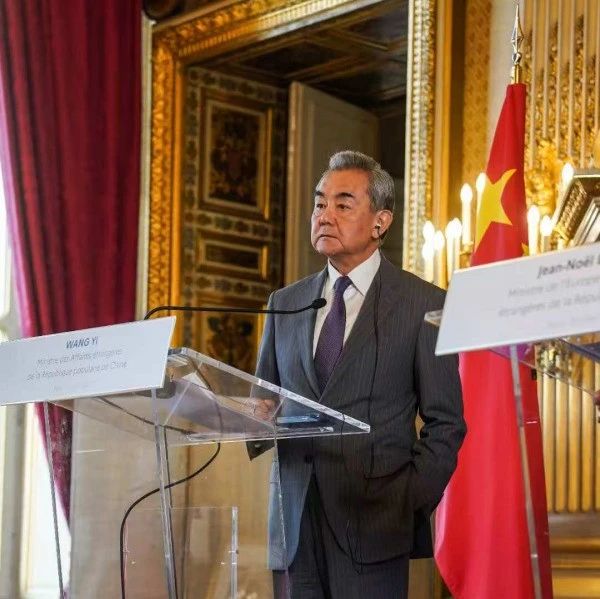
王毅:通往和平的道路就在脚下,实力带不来真正的和平
Xin Hua Wang· 2025-07-04 23:52
Group 1 - The core viewpoint emphasizes that the Iranian nuclear issue could have served as a model for resolving international disputes through dialogue, but it is now leading to a new crisis in the Middle East [1] - China maintains a clear and consistent stance on the Iranian nuclear issue, valuing Iran's commitment not to develop nuclear weapons and respecting its rights under the Non-Proliferation Treaty [1] - The need for a new international agreement to resolve the Iranian nuclear issue is highlighted, with calls for Iran's nuclear activities to be placed under strict supervision by the International Atomic Energy Agency [1] Group 2 - Recent military conflicts between Israel and Iran should not be repeated, as war cannot resolve the Iranian nuclear issue, and preemptive strikes lack legitimacy [2] - The statement warns that the use of force will only lead to greater conflict and hatred, and emphasizes the dangers of a nuclear disaster affecting the entire world [2] - The resolution of the Iranian nuclear issue cannot ignore the core problem in the Middle East, which is the Palestinian issue, and the humanitarian crisis in Gaza must be addressed [2] Group 3 - The "two-state solution" is presented as the only realistic way to break the chaos in the Middle East, with a call for the international community to take more effective actions [2] - Both China and France, as permanent members of the UN Security Council, are urged to uphold justice and support conflict resolution through dialogue, opposing any double standards [2] - China expresses willingness to work with France to make continuous efforts towards peace [2]