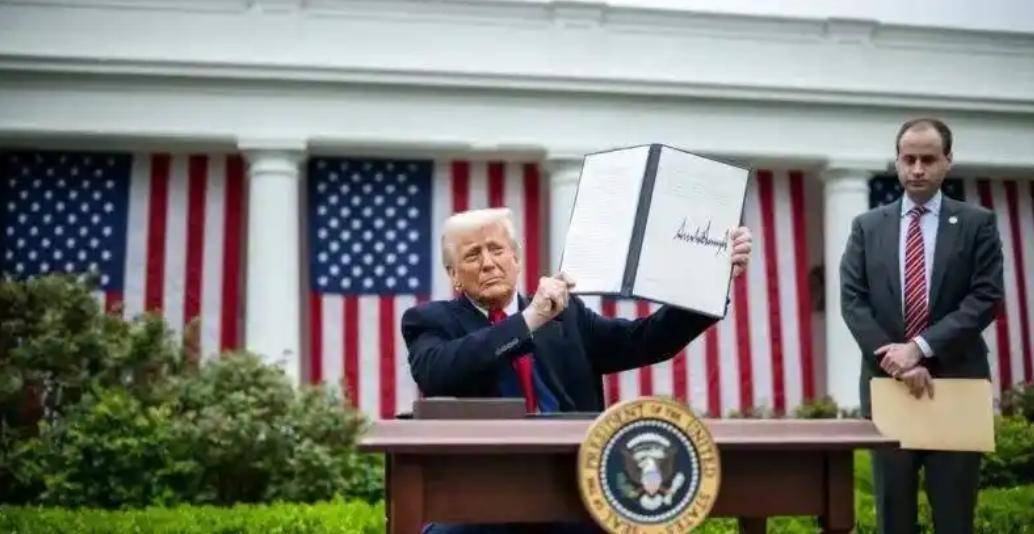
关税战

Search documents
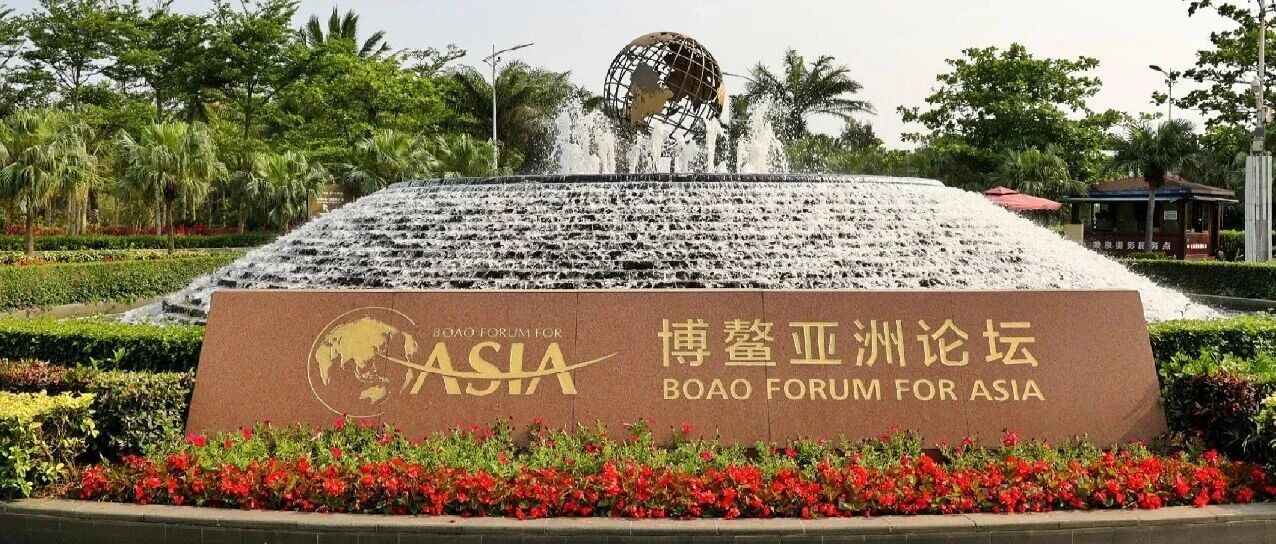
多边机制还是大国机制?全球化的“分岔口”|博鳌观察
经济观察报· 2026-03-27 02:00
Core Viewpoint - The article emphasizes that regardless of whether the trade war will resurface, globalization is unlikely to return to its previous state, necessitating the establishment of a new international negotiation mechanism, which could either strengthen existing multilateral mechanisms or create a new one based on major power coordination, such as between China and the U.S. [1][4] Summary by Sections Forum Discussions - At the Boao Forum, discussions centered on the impact of the trade war and geopolitical competition on global trade patterns, with a consensus among most participants advocating for the strengthening of multilateral mechanisms [2][4] - Former U.S. Commerce Secretary Gutierrez expressed a minority view, suggesting that the global trade environment is largely shaped by the U.S. [2][4] Trade War Dynamics - The trade war has seen cumulative tariff increases exceeding 120% between the U.S. and China, leading to a "truce" that has persisted [3][4] - Despite the trade war, many forum participants believed that U.S. tariffs have not significantly impacted global trade due to mutual tariff impositions offsetting effects [6][9] Economic Policy and Trade Uncertainty - The current era is characterized by economic policies increasingly serving national strategic goals, with tariffs and export controls becoming regular tools rather than exceptions [7][8] - The trade war is reshaping global trade dynamics, leading to reduced predictability, supply chain restructuring, and varied regulatory policies affecting businesses differently [9][10] Multilateral vs. Major Power Mechanisms - There is a debate on whether to reinforce multilateral mechanisms like the WTO or to adapt to a new framework based on major power negotiations [12][14] - The WTO's influence is waning as major economies distance themselves from its rules, leading to a fragmented global trade system [14][16] Future Trade Landscape - Experts suggest that the trade landscape is evolving, with a need for the WTO to adapt to current realities, including enhancing trust and conflict resolution mechanisms [16][17] - The potential for new trade agreements amidst the trade war indicates a shift in how countries approach trade, with a focus on regional agreements and strategic partnerships [17][18]

专访姚洋:AI泡沫破裂是迟早的事,我们要更多关注短期问题
经济观察报· 2026-03-26 12:55
Group 1: AI Bubble Concerns - The article highlights that AI is perceived as a massive bubble, with its eventual burst being inevitable, as stated by Yao Yang [1][2][5] - Yao Yang argues that Silicon Valley tech companies are intentionally inflating the AI bubble by creating anxiety, which could lead to a technological crisis once the bubble bursts [1][6][7] - The current market valuation of companies like Nvidia is compared to Japan's annual GDP, raising questions about the sustainability of such valuations [5] Group 2: Economic Implications - Yao Yang emphasizes the need to address short-term economic issues such as employment pressure and high real estate vacancy rates, rather than focusing solely on long-term growth [2][14] - The article discusses the impact of the U.S. tariff policies on global trade, suggesting that the effects may be less significant than anticipated due to mutual tariff imposition among countries [10][12] - There is a call for the government to stimulate domestic demand and not overlook immediate economic challenges, as neglecting these could hinder recovery efforts [8][14] Group 3: Debt Management Strategies - Yao Yang outlines three potential debt resolution strategies: the U.S. direct bankruptcy model, the Japanese gradual repayment model, and the 1990s Chinese government injection model [17][18] - The recommendation is to adopt the third model, which involves government capital injection to facilitate debt circulation and alleviate financial pressures on businesses [19] - The article warns that ignoring the current debt issues could lead to a situation similar to Japan in the 1990s, where economic growth is severely hampered by debt repayment burdens [16][20]

集运指数(欧线)期货周报-20260313
Rui Da Qi Huo· 2026-03-13 09:19
Group 1: Report Industry Investment Rating - No relevant content provided Group 2: Core View of the Report - This week, the futures prices of the Container Shipping Index (European Line) rose collectively. The main contract EC2604 closed up 5.71%, and the far - month contracts rose between 9 - 17%. The latest SCFIS European Line settlement freight rate index was 1545.46, up 82.06 points from last week, a month - on - month increase of 5.6%. Geopolitical tensions, Trump's tariff war resurgence, and the cancellation of photovoltaic tax rebates in April forcing shipments and stockpiling in March supported the futures prices. The supply - demand pattern shifted from a slack off - season to a tight balance in the short term, strengthening the shipping companies' bargaining power. However, the geopolitical situation is unknown, the tariff war may change the balance again, and there are limitations to the price increase in March and April, so investors are advised to be cautious [6][7][39] Group 3: Summary by Directory 1. Market Review - The futures prices of the Container Shipping Index (European Line) rose collectively this week. The main contract EC2604 closed up 5.71%, and the far - month contracts rose between 9 - 17%. The SCFIS European Line settlement freight rate index was 1545.46, up 5.6% month - on - month. The EC2604 contract's trading volume was mainly volatile, and the open interest declined [6][9][14] 2. News Review and Analysis - Iran's Supreme Leader stated that Iran will not give up revenge, and the Iranian Deputy Foreign Minister allowed some ships to pass through the Strait of Hormuz. The US will launch trade investigations on 16 major trading partners, which may lead to new tariffs. The EU warned that high oil prices could impact inflation and economic growth. The IEA released 400 million barrels of strategic oil reserves, and the US will "slightly" cut its strategic oil reserves [17] 3. Weekly Market Data - This week, the basis and spread of the Container Shipping Index (European Line) futures contracts both contracted. Global container shipping capacity continued to grow, and the European Line capacity fluctuated and rebounded. The BDI and BPI declined rapidly, and the freight rates fluctuated slightly. The charter price of Capesize ships dropped significantly, and the spread between the offshore and on - shore RMB against the US dollar widened [25][30][33] 4. Market Outlook and Strategy - The futures prices of the Container Shipping Index (European Line) are supported by factors such as geopolitical deterioration, shrinking effective capacity, tariff wars, and pre - shipment stockpiling. The short - term supply - demand pattern has shifted to a tight balance, but the geopolitical situation is unknown, and the shipping companies' price increase may be difficult to implement. Investors are advised to be cautious, control risks, and track relevant data and events [7][40]

中美关系要生变!莫迪向全球发话,带头对美出手,拉30多国一起上阵
Sou Hu Cai Jing· 2026-02-27 21:44
Group 1 - The core argument of the article highlights the failure of Trump's tariff strategy, which was intended to pressure other countries but has backfired, leading to a systemic collapse in trade relations [1][38] - The U.S. Supreme Court ruled that Trump's tariffs, imposed under the International Emergency Economic Powers Act, were an overreach of authority, undermining the legal basis for these tariffs [3][34] - The ruling affects approximately $15 billion in monthly tariff revenue, which is now considered "illegal income" [5][31] Group 2 - The article notes that foreign exporters only bear about 10% of the additional costs from tariffs, with 90% falling on U.S. importers and consumers, leading to increased prices and layoffs [3][29] - Following the Supreme Court's decision, hundreds of companies have filed lawsuits to reclaim overpaid tariffs, indicating a significant backlash against the government's tariff policies [5][7] - The article discusses the shift in India's stance on oil purchases from Russia, which reflects a broader trend of countries reassessing their trade relationships with the U.S. in light of the tariff situation [11][38] Group 3 - The article emphasizes that the tariffs have not revitalized U.S. manufacturing as promised, with many manufacturers reporting increased burdens due to reliance on imported components [29][31] - The article points out that the U.S. government's tariff revenue, while substantial, represents only a small fraction of total federal revenue, raising questions about the overall economic impact of these tariffs [33][31] - The article concludes that the current trade environment has led to a loss of trust in U.S. commitments, with countries now considering alternative trade arrangements to reduce dependence on the U.S. [38][42]
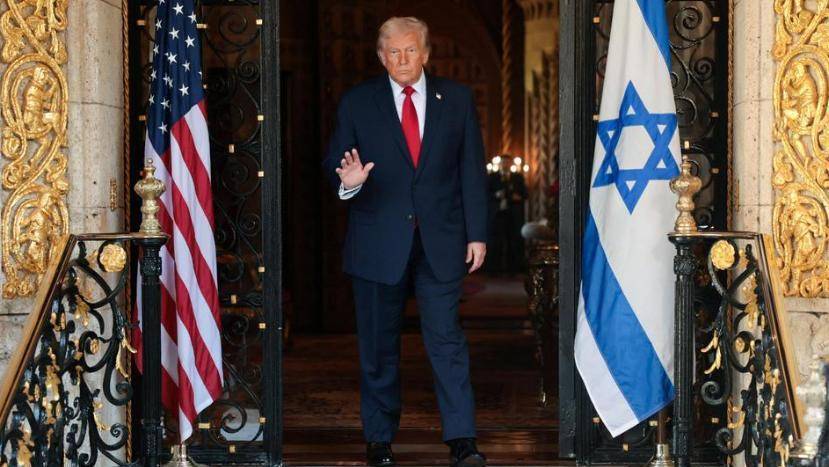
美国贸易代表通告全世界:部分国家加税15%,但中国免了
Sou Hu Cai Jing· 2026-02-27 04:21
Group 1 - The anticipated escalation of the US-China tariff war did not occur, as China successfully deterred Trump from further actions with a single statement and action [1] - The US Trade Representative, Lighthizer, announced that the new tariff policy would maintain existing tariffs, with only countries adhering to agreements with the US enjoying previous tariff benefits [3][5] - The EU faces significant losses due to the new 10% tariffs, with exports suffering a loss of €4.2 billion, highlighting the disparity in treatment between China and the EU [5][8] Group 2 - The US has temporarily refrained from increasing tariffs on China due to Trump's upcoming visit, while the EU lacks similar diplomatic leverage [10][12] - China has previously warned the US against military sales to Taiwan, which influenced Trump's decisions, demonstrating China's effective use of deterrence [12][13] - The differing strategies of the US towards China and the EU stem from China's strong countermeasures and the EU's initial compliance, making the EU a target for increased tariffs [15][18]
【宏观】特朗普能否开启“黄金时代”?——解构美国系列第十九篇(赵格格/周欣平)
光大证券研究· 2026-02-26 23:06
Core Viewpoint - The article summarizes key points from Trump's recent State of the Union address, highlighting three main topics: trade policy, social issues, and energy concerns related to technology companies [4][5][6]. Group 1: Trade Policy - Trump aims to maintain current tariff rates without revealing details on tax refunds or new investigations, emphasizing that most countries wish to keep existing trade agreements [4]. - The U.S. has proposed additional tariffs under "Section 122" and will initiate investigations under Sections 301 and 232, but specifics on tax refunds and the scope of new investigations remain unclear [4]. Group 2: Social Issues - A retirement plan similar to a 401K for American workers is proposed, with a maximum benefit of $1,000 per year, expected to be implemented next year [5]. - Trump calls for Congress to pass legislation to prevent investment companies from acquiring single-family homes and to prohibit states from issuing commercial driver's licenses to illegal immigrants [5]. - He claims to have reduced the core inflation rate to its lowest level in over five years and suggests direct healthcare subsidies to citizens [5]. Group 3: Energy Concerns - Trump urges large tech companies to build their own power plants to address electricity shortages and reduce community electricity costs, with expenses borne by the companies [6]. - He emphasizes the importance of addressing Iran's nuclear capabilities and missile programs, advocating for diplomatic solutions [6]. - Key measures likely to be pursued include continuing the tariff battle, prohibiting investment companies from acquiring single-family homes, and lowering prescription drug prices [6][7].

时计宝发布中期业绩,股东应占亏损3685.3万港元 同比增加237.67%
Zhi Tong Cai Jing· 2026-02-26 11:00
Core Viewpoint - The company reported a significant decline in revenue and an increase in losses, primarily attributed to decreased sales from its flagship product, the Tianwang watch, amid ongoing international trade tensions and high tariffs imposed by the new U.S. government [1] Financial Performance - The company achieved revenue of HKD 281 million for the six months ending December 31, 2025, representing an 18.2% year-on-year decrease [1] - The loss attributable to owners for the period was HKD 36.85 million, a substantial increase of 237.67% compared to the previous year [1] - Basic loss per share was reported at 1.8 HKD cents [1] Market Conditions - The decline in revenue is primarily due to a drop in sales from the Tianwang watch, influenced by high tariffs on imports to the U.S., particularly those from China, which are above the average tariff rates [1] - Ongoing international trade disputes and tariff wars have negatively impacted China's economic growth and employment, further weakening consumer confidence in the Chinese retail market, which in turn affected product demand during the reporting period [1]
特朗普拿出新关税,美方继续威胁中方,英媒:美国大豆或滞销
Sou Hu Cai Jing· 2026-02-26 04:09
Group 1 - The U.S. Supreme Court's ruling against Trump's tariff policies has prompted him to consider imposing new national security tariffs on six industries, including chemicals and large batteries [4][6] - Trump's administration is seeking legal grounds for these tariffs under the Trade Expansion Act of 1962, indicating a preparation for a new round of tariff battles [4][6] - The legality of tariffs is not the primary concern for Trump, as he aims to generate significant revenue before any potential legal challenges can be resolved [6] Group 2 - U.S. Trade Representative Lighthizer has warned that trade partners should not expect the Supreme Court's ruling to lead to tariff reductions, maintaining that trade agreements with countries like China, South Korea, Japan, and the EU remain unaffected [6][8] - The potential reduction in U.S. soybean purchases by China could lead to severe oversupply issues in the U.S. soybean market, especially as U.S. soybean prices remain higher than those from Brazil [8][9] - This situation poses a significant political risk for Trump and the Republican Party, particularly with upcoming midterm elections, as American farmers, a key support group, may be adversely affected [9]
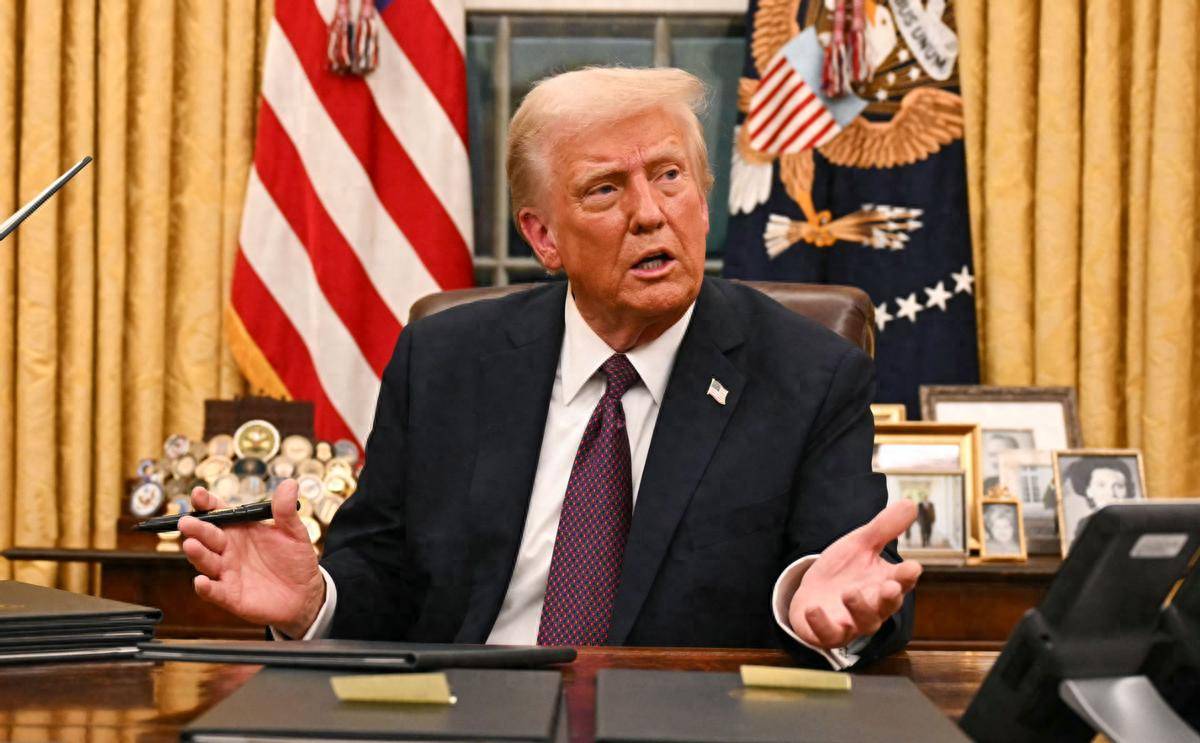
美国贸易代表办公室那边,突然隔空递过来一句话!特朗普当年和中国签的那个协议,我们认,它有效
Sou Hu Cai Jing· 2026-02-25 20:24
Core Viewpoint - The U.S. Supreme Court's ruling against the legality of tariffs imposed by the Trump administration has created significant uncertainty in trade policy, leading to potential refunds of previously collected tariffs and a new temporary import surcharge [3][5][7]. Group 1: Legal and Political Developments - The U.S. Supreme Court ruled 6-3 that the president cannot unilaterally impose tariffs under the International Emergency Economic Powers Act, affirming that tax authority lies with Congress [2]. - Following the ruling, Trump announced a temporary 10% import surcharge on all goods entering the U.S., effective for up to 150 days, as a response to the court's decision [3][4]. - The White House released a list of exemptions from the new tariff, indicating a cautious approach to avoid domestic backlash ahead of the 2026 midterm elections [4][8]. Group 2: Economic Implications - The estimated value of tariffs already collected ranges from $142 billion to $175 billion, with potential refunds complicating the financial landscape for U.S. importers and businesses [3]. - The imposition of tariffs has historically resulted in over 90% of the costs being passed on to U.S. consumers and importers, raising concerns about inflation and economic growth [7]. - The U.S. Treasury Department's internal assessment suggests that lowering tariffs could reduce the consumer price index by 0.5% to 0.8%, alleviating inflationary pressures [8]. Group 3: Trade Agreements and Future Outlook - The existing trade agreement with China, which includes provisions for tariff reductions and commitments from both sides, serves as a stabilizing factor amid the current policy chaos [6]. - The temporary nature of the new tariffs and the need for Congressional approval for extensions indicate a lack of long-term strategy, reflecting internal political divisions [7][8]. - The emphasis on maintaining existing agreements suggests a desire to prevent further escalation in trade tensions, particularly with China, as the U.S. navigates its domestic political landscape [6][8].

关税裁决违法,特朗普怒了!全球加税15%,中方早已准备就绪
Sou Hu Cai Jing· 2026-02-25 17:52
Group 1 - The U.S. Supreme Court's ruling overturned the legal basis for Trump's tariffs, potentially requiring the return of $175 billion in tariff revenue, which constitutes half of the monthly tariff total for the U.S. [1] - Trump's immediate response included signing an executive order to impose a 10% global tariff, which he later increased to 15%, indicating a premeditated strategy in anticipation of the court's decision [1][4] - The new tariff under the Trade Act of 1974 is a temporary measure with a 150-day validity, but it can be renewed, allowing Trump to maintain pressure on trade partners [1][4] Group 2 - Trump's previous tariffs on Chinese goods reached 145%, but the Supreme Court ruling undermined this justification, leading to a need for new strategies to stabilize domestic support [4][10] - U.S. agricultural giants and multinational companies are feeling the pressure from tariffs, with rising inventories and declining sales, necessitating a stable Chinese market for support [4][10] - The average tariff rate on exports to the U.S. is now over 60%, significantly impacting profit margins for exporting companies [6] Group 3 - The U.S. administration's contradictory signals, such as maintaining existing trade agreements while imposing new tariffs, reflect internal uncertainties and a lack of coherent strategy [7][20] - The potential upcoming U.S.-China talks are unlikely to yield significant results, as both sides are entrenched in their positions regarding technology and sovereignty issues [9][16] - The legal and economic implications of the tariffs are creating a complex environment where Trump's reliance on outdated strategies may not yield the desired outcomes [20][24] Group 4 - China's response to U.S. tariffs includes diversifying markets and enhancing domestic production capabilities, which are long-term strategies rather than short-term reactions [14][26] - The resilience of global supply chains is evident, as companies are adapting to minimize risks associated with U.S. tariffs, indicating a shift in trade dynamics [22][26] - The ongoing trade tensions are reshaping the global economic landscape, with countries like the EU and ASEAN preparing for potential shifts in supply chains due to U.S.-China relations [18][26]