精准滴灌

Search documents
专访中国社会福利基金会理事长詹成付:“从民政部到公益前沿,我们在守正创新中书写慈善答卷”
Chang Jiang Shang Bao· 2025-05-19 00:29
Core Viewpoint - The article highlights the transition of Zhan Chengfu from a policy maker to a hands-on operator in the charity sector, emphasizing the importance of practical implementation of policies in the field of public welfare [2][4]. Group 1: Role Transition - Zhan Chengfu describes his shift from being a policy maker at the Ministry of Civil Affairs to the president of the China Social Welfare Foundation, focusing on the real-world application of policies rather than theoretical discussions [2]. - He emphasizes the challenges of this transition, stating that the current role involves tangible actions rather than just discussions [2]. Group 2: Practical Implementation - Zhan shares his experience in Qinghai's Yushu Tibetan Autonomous Prefecture, where he witnessed the impact of the "free lunch" program for children, illustrating that charity is about real benefits for individuals rather than abstract numbers [3]. - The foundation aims to connect various social resources, including government, businesses, and the public, to ensure that donations effectively reach those in need [3]. Group 3: Innovation and Integrity in Charity - Zhan stresses the importance of maintaining the non-profit nature of charity work, advocating for strict adherence to the rule that 70% of funds raised in one year should be spent within that same year to prevent idle funds [4]. - He warns against superficial innovations in the charity sector, insisting that any innovation must be grounded in the core principles of charity [4]. - The foundation is exploring blockchain technology for tracking donations and has partnered with platforms like Alibaba and Alipay to enhance transparency in charitable projects [4]. Group 4: Targeted Charity Initiatives - Zhan introduces the "precision drip irrigation" concept for charity, focusing on specific needs in elderly care and children's welfare [4]. - In elderly care, the foundation collaborates with local communities to implement a "time bank" system, allowing younger seniors to assist older seniors in exchange for points redeemable for goods [4]. - For children's health, the foundation has launched a "rural children's major illness insurance" project to provide secondary reimbursements through commercial insurance, aiming to reduce poverty caused by medical expenses [4].
“5.7重磅政策”:救市的逻辑变了
吴晓波频道· 2025-05-07 18:21
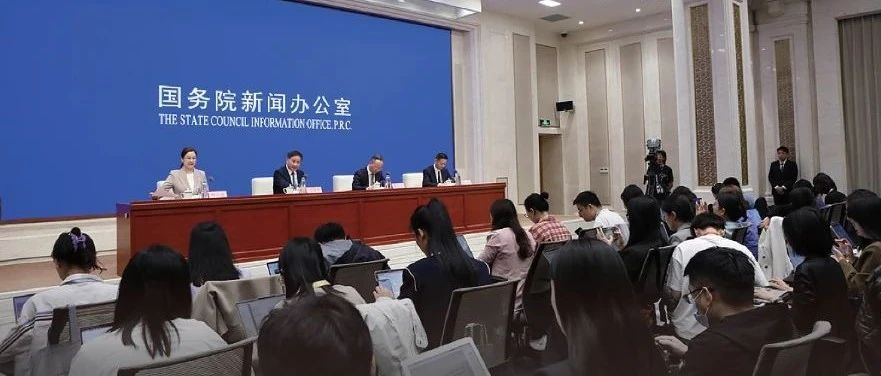
Core Viewpoint - The current market stabilization strategy focuses on "supporting enterprises," aiming for a systematic recovery treatment to stabilize the economic foundation, market entities, and enhance economic resilience [1][7]. Summary by Sections Financial Policy Announcements - The government announced ten major supportive policies, including a 0.5% reduction in the reserve requirement ratio (RRR), releasing 1 trillion yuan in long-term funds, and lowering the RRR for auto finance and financial leasing companies to 0% [1][2]. - Policy interest rates were reduced by 0.1%, and various structural tool rates were lowered by 0.25% [2]. Targeted Support for Key Areas - An increase of 300 billion yuan in re-loan quotas for technological innovation and technical transformation, along with 500 billion yuan for service consumption and elderly care, and an additional 300 billion yuan for agriculture and small enterprises [3]. Market Reactions - Market sentiment was mixed; some viewed the policies as expected extensions of previous measures, while others were disappointed, hoping for more aggressive stimulus akin to the "9·24" policies from the previous year [4][6]. Economic Context - The primary economic contradiction has shifted from "insufficient domestic demand" to "increased external pressure," with small and foreign trade enterprises facing significant challenges [11][12]. - Manufacturing PMI fell to 49.2 in April, indicating a contraction, and there are concerns about the sustainability of recent foreign trade data [13][14]. Policy Objectives - The core task of the new policy measures is to stabilize the funding and confidence of enterprises, particularly small and private firms, amid external shocks [16][18]. - The policies aim to create a relaxed business environment, stabilize stock prices, and stimulate consumer spending to drive growth [18][25]. Specific Measures - The central bank's measures include a comprehensive RRR cut and interest rate reductions to ease financing costs for small and medium-sized enterprises [19][22]. - The optimization of capital market support tools aims to stabilize stock prices and enhance market confidence [23][24]. - Consumer confidence is targeted through measures like lowering the RRR for auto finance companies, which is expected to boost spending on durable goods [26]. Future Outlook - Despite the supportive policies, not all enterprises will benefit equally, and differentiation may become the new norm [30]. - The policies are seen as more supportive than stimulative, with a focus on preventing economic growth from "stalling" rather than driving immediate recovery [28][41]. - The real estate market may see benefits from increased liquidity, but the effectiveness of these measures will vary across different cities [42][43].