Dividend stock

Search documents
1 Reliable Dividend Stock You Can Buy Now and Hold at Least a Decade
The Motley Fool· 2025-03-20 10:17
Core Insights - Investor enthusiasm surged after the 2024 election but has recently declined due to concerns over potential tariffs from President Trump on goods from major trading partners [1] - The S&P 500 index has seen a significant drop, with major tech stocks, particularly the "Magnificent Seven," falling over 15% from their recent peaks [2][3] - Pfizer is highlighted as a reliable dividend-paying stock with a yield above 6%, despite its stock being down more than half from its all-time high [4][8] Company Performance - Pfizer's total sales are projected to grow by 7% in 2024, reaching $63.6 billion [5] - The company has delivered a growing dividend for 16 consecutive years, with a total payout increase of approximately 54% over the past decade [6][7] - Pfizer's stock price has been negatively impacted by declining sales of COVID-19 products and upcoming patent expirations for key drugs [8][9] Market Challenges - The upcoming patent cliff for Eliquis, which accounted for 11.6% of Pfizer's total revenue in 2024, is expected to pose growth challenges as it faces generic competition starting in 2028 [9] - Pfizer's cancer therapy Ibrance is losing market share, with sales falling 8% to $4.4 billion, while competitors like Kisqali are gaining traction [10] Future Outlook - Despite patent expirations, Pfizer is expected to continue growing its bottom line and dividend payouts, supported by a productive drug development pipeline [11] - The company reported a 12% increase in total revenue last year, excluding COVID-19 product sales, and anticipates adjusted earnings between $2.80 and $3.00 per share for the current year [12] - With new therapies ramping up, Pfizer is positioned to mitigate the impact of Eliquis' patent cliff, making it an attractive investment for passive income [13]



Warren Buffett Owns $29 Billion of This Top Dividend Stock: Could It Make You a Millionaire One Day?
The Motley Fool· 2025-03-07 13:00
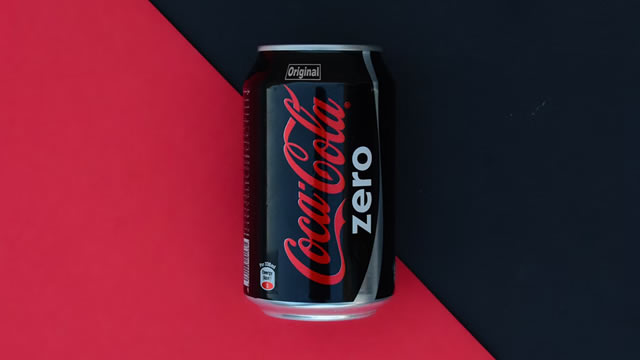
Core Insights - Warren Buffett's investment in Coca-Cola represents a significant stake of $29 billion, making it Berkshire Hathaway's fourth-largest position [1] - Coca-Cola is recognized for its strong brand and wide economic moat, which secures its market position in the non-alcoholic beverage sector [3] Financial Performance - In Q4 2024, Coca-Cola experienced a 9% price increase, contributing to a 6% revenue growth, supported by a 2% increase in unit volume [4] - The company boasts an impressive operating margin of 23% and a dividend yield of 2.82%, with dividends having increased for 63 consecutive years [5][6] Market Position and Growth Prospects - Coca-Cola's revenue for 2024 was $47.1 billion, reflecting only a 2% increase over the past decade, indicating limited growth potential as a mature company [7] - Despite slow revenue gains, Coca-Cola is expected to remain relevant and lead the industry for decades, with minimal risk of disruption [8] Valuation and Investment Considerations - Coca-Cola shares currently trade at a price-to-earnings ratio of 29.3, which is 11% higher than the five-year average and represents a premium compared to the S&P 500 [9] - While Coca-Cola may not outperform the S&P 500 in the long term, it is suitable for investors seeking steady income rather than significant capital appreciation [10]

Better Dividend Stock: Enbridge vs. Energy Transfer
The Motley Fool· 2025-03-07 10:44
Group 1: Core Business Overview - Enbridge and Energy Transfer operate in the North American midstream sector, owning energy infrastructure assets like pipelines that facilitate the movement of oil and natural gas [2] - The midstream sector is considered the most reliable segment of the energy industry due to its fee-driven business model, where companies collect fees regardless of commodity prices [2] - Energy Transfer has investments in a compression business and fuel distribution, while Enbridge diversifies into natural gas utilities and clean energy, aligning with its goal of adapting to changing energy needs [3][4] Group 2: Dividend Comparison - Energy Transfer offers a higher dividend yield of 6.7%, compared to Enbridge's 6.2%, representing an 8% increase in income for investors focused solely on yield [5] - Enbridge has a strong track record of increasing its dividend for 30 consecutive years, demonstrating reliability, while Energy Transfer cut its dividend in half during the pandemic [6][7] - Although Energy Transfer's dividend is currently higher than pre-pandemic levels, the cut during a critical time for investors highlights the importance of dividend consistency, where Enbridge is favored [7][9] Group 3: Long-term Investment Considerations - Enbridge's strategy of transitioning towards cleaner energy sources may appeal more to long-term investors compared to Energy Transfer's higher yield [4][8] - The reliability of Enbridge's dividend, despite a lower yield, makes it a more attractive option for conservative income investors who prioritize stability [9]