Interest Rates

Search documents
Trump names Kevin Warsh to succeed Powell as Fed Chair
MSNBC· 2026-01-30 16:35
President Trump annoced his nominee to be the next chair of the Federal Reserve. Kevin Warsh, a former Fed governor is the pick to succeed Jerome Powell. For at least a year now, Trump has been publicly hounding Powell for not lowering interest rates as much as he'd like, and Warsh has joined that chorus.Adding to the stakes here, the Justice Department probe of the Fed and Chairman Powell, which could complicate Warsh's chances of getting through the Senate. We're tracking this with MSNOW WHITE HOUSE repor ...

President Trump nominates Kevin Warsh for Fed chair, top takeaways from Apple's big earnings beat
Yahoo Finance· 2026-01-30 16:19
Welcome to Morning Brief. I'm Julie Hyman. It is a busy day on Wall Street.Let's get to the three things you need to know today. President Trump nominating Kevin Worsh as his pick to replace Fed Chair Jerome Pal. Worsh is a former Federal Reserve official himself who supports the president's criticism of the central bank.He still has though to go through the Senate confirmation process before taking over in May. Let's get a check on futures which are pointing to declines at the open, but they are off earlie ...

What Trump’s Fed Pick Kevin Warsh Means for Crypto
Yahoo Finance· 2026-01-30 16:10
U.S. President Donald Trump nominated financier and former Federal Reserve governor Kevin Warsh to succeed Jerome Powell as Chair of the country's central bank on Friday, a choice that lands as cryptocurrency markets slide and investors reassess the outlook for interest rates. Announcing the pick on Truth Social, Trump praised Warsh’s credentials and record, calling him a future “GREAT Fed Chairman” and signaling an end to months of public conflict with Powell. The president has repeatedly criticized the ...
Who Is Kevin Warsh? Trump's Fed Chair With Family Ties To Billionaire GOP Donor
Forbes· 2026-01-30 14:55
ToplinePresident Donald Trump announced Friday his pick for the Federal Reserve chair is Kevin Warsh, a former central bank official-turned-critic and aide to former President George W. Bush with familial ties to a longtime billionaire Republican donor. Warsh has claimed the Federal Reserve’s monetary policy “has been broken for quite a long time.” Copyright 2014 AP. All rights reserved.Key FactsWarsh, 55, earned a law degree from Harvard University in 1995 before becoming a banker at Morgan Stanley, where ...
Why Inflation And Interest Rates Will Likely Decline
Seeking Alpha· 2026-01-30 13:50
Group 1 - High Yield Investor has invested significant resources, including thousands of hours and over $100,000 annually, to identify profitable investment opportunities, resulting in nearly 200 five-star reviews from satisfied members [1] - The company is celebrating its fifth anniversary by offering new members a 30-day money-back guarantee, encouraging potential investors to join as they prepare to release their Top Picks for 2026 [1] Group 2 - Samuel Smith, the lead analyst of High Yield Investor, has a diverse background in dividend stock research and holds advanced degrees in engineering and applied mathematics, emphasizing a focus on safety, growth, yield, and value in investment strategies [3] - High Yield Investor provides a range of services, including real-money core, retirement, and international portfolios, along with regular trade alerts, educational content, and an active community for investors [3]
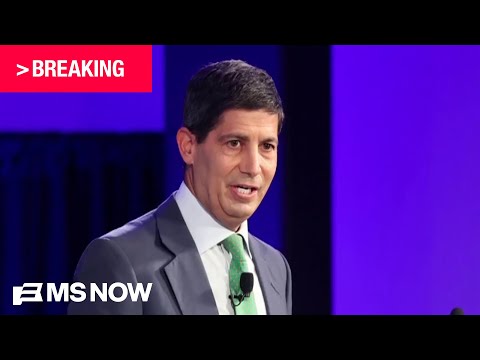
BREAKING: President Trump nominates Kevin Warsh to be next Fed chair.
MSNBC· 2026-01-30 12:33
FOR THE NEXT FED CHAIR, A FORMER FED GOVERNOR and vocal critic of the Fed's current approach to interest rates, Warsh has long been on the short list to succeed current Fed Chair Jerome Powell. Warsh lost out on the top job to Powell back in WASHESH'S NOMINATION NOW HEADS TO THE SENATE FOR CONFIRMATION, A PROCESS THAT HAS BEEN COMPLICATED BY THE INVESTIGATION INTO POWELL. SOME SENATORS HAVE SAID THEY WON'T CONFIRM ANY PICK UNTIL THE PROBE IS RESOLVED.THE PRESIDENT HAD MADE CLEAR THAT HIS SHORTLIST WAS HE WA ...
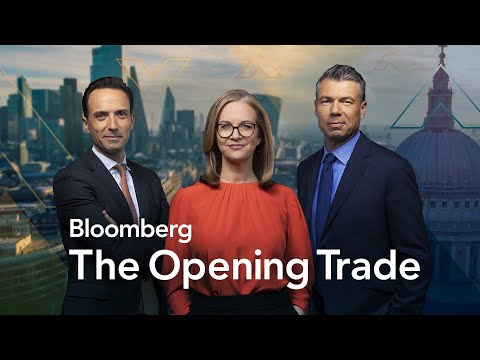
Standby for Trump's Fed Chair Pick, Gold Retreats, USD Climbs | The Opening Trade 1/30/2026
Bloomberg Television· 2026-01-30 12:30
Good morning. It's Friday the 30th. Here's what's on the agenda.Is Warsh heading back to the Fed market start to price that as an outcome. And the tech spotlight falls on Apple. Yup.Futures point high up gains of 4/10 of a percent after a tech led sell off across the European session yesterday. But here is the focus. It is dollar strength.The greenback is back up 4/10 of a percent on the fed speculation and expectations around kevin warsh. Gold taking a hit down 4.4%, but still up around 18% year to date. T ...
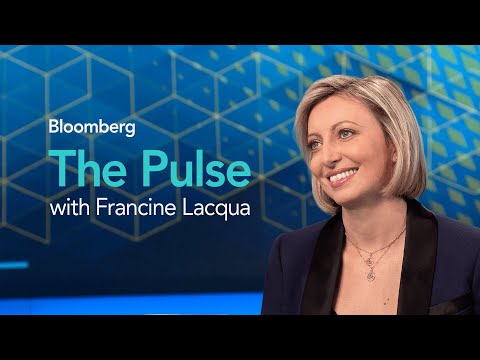
Investors Diversifying Away from ‘Scary’ US, Says Euronext CEO | The Pulse 1/30
Bloomberg Television· 2026-01-30 11:43
♪ ANNOUNCER: NEWSMAKERS AND MARKET MOVERS. THIS IS "THE PULSE" WITH FRANCINE LACQUA. FRANCINE: WELL, GOOD MORNING, EVERYONE.WELCOME TO "THE PULSE." I’M FRANCINE LACQUA HERE IN LONDON. AFTER MONTHS OF INTERVIEWS AND EXPECTATION, PRESIDENT TRUMP WILL ANNOUNCE THE NOMINEE. KEVIN WASH WOULD SUCCEED JEROME POWELL WHO HAS BEEN CRITICIZED NOT CUTTING RATES FASTER.PRESIDENT TRUMP HAS BEEN SEARCHING FOR A UNICORN LOYALIST AND IN THE PRESIDENT’S MAGA BASE AND GET PAST THE SENATE CONFIRMIZATION. DOES KEVIN WARSH TICK ...
X @Bloomberg
Bloomberg· 2026-01-30 10:26
Colombia is forecast to lift interest rates for the first time since 2023 to curb soaring price pressures after a record increase in the minimum wage https://t.co/QCBMQBnEX0 ...
Stock Market Today: Nasdaq, S&P 500 Futures Decline As Investors Await Trump's New Fed Chair Pick— SanDisk, Deckers, Robinhood In Focus - State Street SPDR S&P 500 ETF Trust (ARCA:SPY)
Benzinga· 2026-01-30 10:21
U.S. stock futures fell on Friday following Thursday’s mixed close. Futures of major benchmark indices were lower.Meanwhile, President Donald Trump, during an appearance at the premiere for the film “Melania,” on Thursday, said that he will name his pick for the Federal Reserve Chair on Friday. Data from Kalshi, a federally authorized betting platform, shows that over $81.6 million has been bet on the contract "Who will Trump nominate as Fed Chair?" Warsh is currently leading, with 92% probability that he w ...