下一代技术范式

Search documents
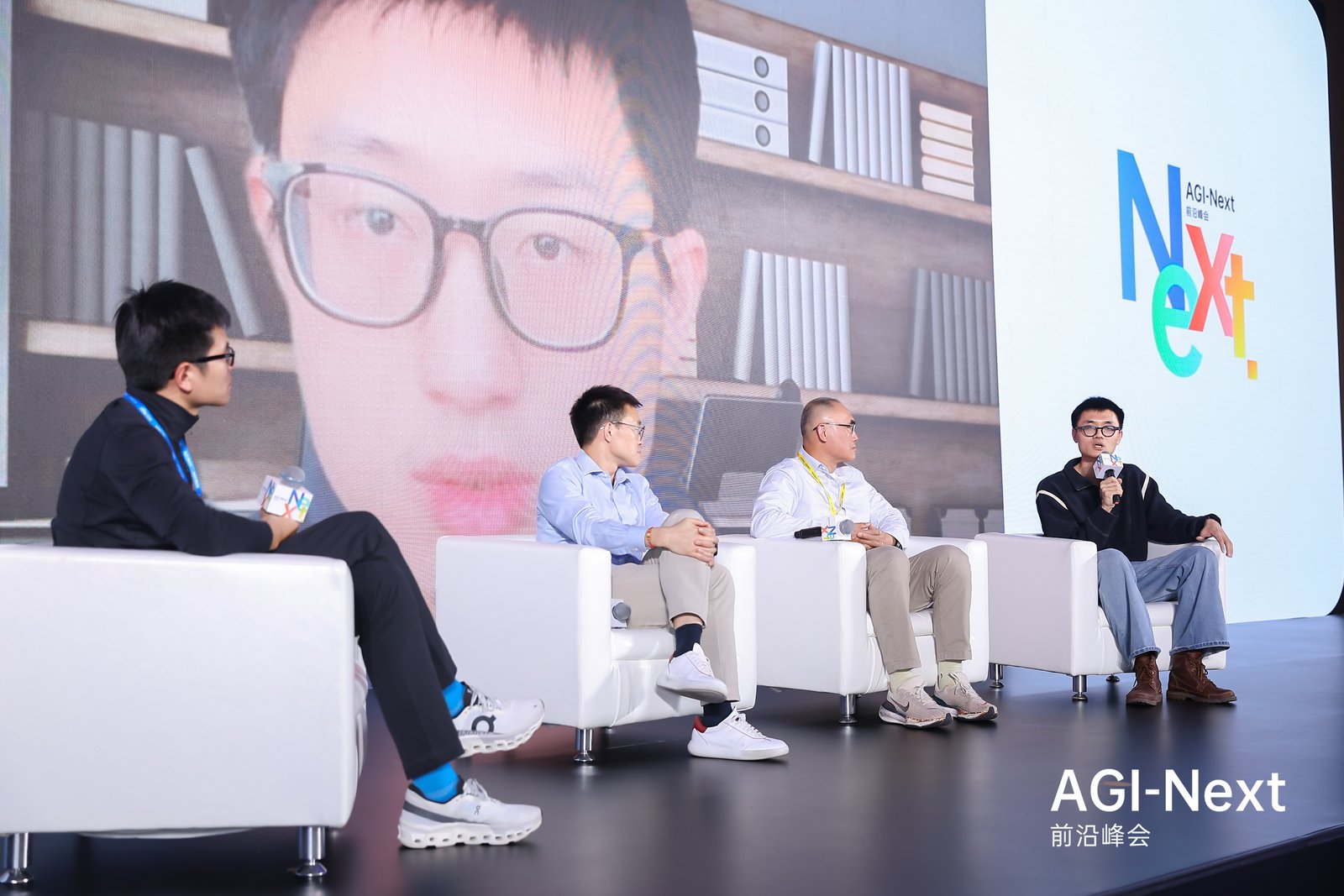
姚顺雨林俊旸杨植麟齐聚,锐评大模型创业与下一代技术范式
Di Yi Cai Jing· 2026-01-10 14:03
Group 1 - The next generation of AI technology paradigms is expected to focus on Autonomous Learning, which allows models to evolve independently without heavy reliance on labeled data and offline pre-training [2] - Autonomous Learning is not a universal methodology but is highly dependent on specific data and task scenarios, with ongoing discussions about its definition and implementation among industry experts [2] - Current advancements in AI, such as Claude's ability to self-improve by transforming 95% of its code, indicate that self-learning is already occurring, albeit with efficiency limitations [2] Group 2 - OpenAI is considered the most likely candidate to lead the next paradigm innovation, despite experiencing various commercial changes that may have diluted its innovative edge [3] - The current Reinforcement Learning (RL) paradigm is still in its early stages, with significant potential yet to be realized, and the next paradigm will emphasize "self-evolution" and "proactivity" [3] - Introducing proactivity in AI may lead to new safety concerns, necessitating the instillation of correct values and constraints, similar to educating a child [3] Group 3 - A significant paradigm shift is anticipated by 2026, with developments in continuous learning, memory, and multimodal capabilities, driven by improvements in computational power in academia [4] - The probability of Chinese teams leading in AI innovation in the next three to five years is considered high, given their ability to quickly replicate and improve upon discovered technologies [4] - Key challenges for China include breakthroughs in lithography technology, capacity, and software ecosystem development, alongside the need for a more mature B2B market [4]