东亚地缘关系

Search documents
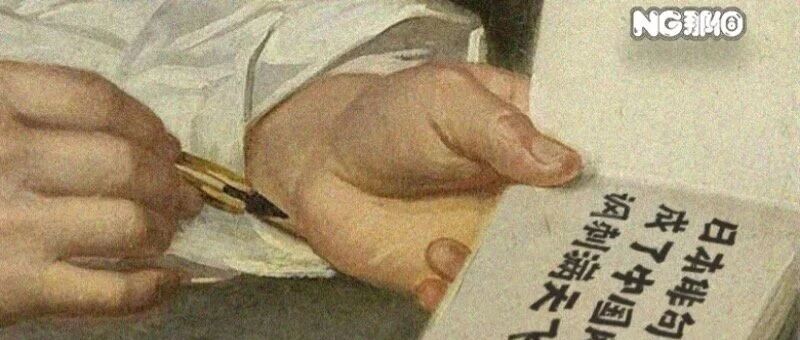
日本俳句,变成了中国网友的“鬼子砍刀”
虎嗅APP· 2025-12-28 02:56
Core Viewpoint - The article discusses the emergence of a new literary form called "Chinese-style haiku," which has gained popularity among young Chinese people as a way to humorously engage with historical and cultural themes, particularly in the context of Sino-Japanese relations [6][17][88]. Group 1: Cultural Commentary - The article highlights the creativity of Chinese internet users in adapting Japanese haiku into a new format that reflects contemporary social issues and sentiments, often with a humorous twist [17][30]. - It notes that the "Chinese-style haiku" often incorporates references to historical events, particularly those related to World War II, and uses humor to critique or comment on these events [38][88]. - The piece emphasizes the playful nature of this new literary form, where young people use it to express their thoughts on various topics, including education and social norms [42][49]. Group 2: Historical Context - The article references the historical figure Wang Jingwei, often portrayed in a negative light, and how he has become a recurring character in these haikus, symbolizing betrayal and historical grievances [19][20]. - It discusses the complex relationship between China and Japan, marked by both cultural exchange and historical animosity, which influences the themes present in the haikus [90][92]. - The article also touches on the shared cultural elements between the two nations, such as language and literature, which contribute to the humor and creativity found in the haikus [96][99]. Group 3: Social Media Influence - The rise of "Chinese-style haiku" is attributed to social media platforms like Douyin, where users creatively engage with content and trends, leading to a surge in this literary form [60][70]. - The article mentions a specific incident involving a popular video creator that sparked a wave of haiku creation, illustrating how internet culture can rapidly influence literary trends [62][68]. - It highlights the role of humor and satire in these haikus, which often serve as a means for young people to process and comment on their cultural and historical context [36][88].