两党政治极化

Search documents
众院休会无法审议拨款法案,美联邦政府再次陷入“停摆”
Xin Lang Cai Jing· 2026-01-31 08:13
"创纪录停摆"结束仅仅2个多月,美国联邦政府再次陷入关门危机。 由于立法日程安排,众议院无法进行投票,自美东时间1月31日零时开始,部份联邦政府部门进入技术 性"停摆"状态。 非核心功能雇员暂时停薪休假,一些公共服务可能延迟或中断。 国会每年需通过12项拨款预算,此前国会已经通过6项拨款预算。1月30日深夜,参议院以71票赞成、29 票反对的结果通过了1.2万亿美元的联邦政府剩余财年拨款法案,为避免政府长期停摆铺平了道路。 据央视新闻报道,众议院预计要到下周一(2月2日)才能复会并安排投票,相关拨款无法在现有预算授 权到期之前完成立法程序。预计这次停摆预计持续时间有限。 此次参议院通过的5项拨款预算将为联邦政府大部分部门提供资金,直至9月30日本财政年度结束,但不 包括给国土安全部的资金。 国土安全部资金被拆分出来并将按现有水平延长两周,以便两党和白宫继续就改进该部门运作进行谈 判。 新华社指出,在两党政治日益极化、争斗日趋激烈、政府治理失能的背景下,"停摆"危机频发已成美国 政治新常态。 7年前,围绕特朗普美墨边境墙拨款问题,参议院在没有达成任何方案的情况下宣布休会,联邦政府再 次出现停摆,直至特朗普签署一 ...
美国政府已停摆18天 联邦雇员有的靠兼职糊口 有的延迟还贷 “关门”时长恐创纪录,两党僵局如何打破
Mei Ri Jing Ji Xin Wen· 2025-10-18 04:33
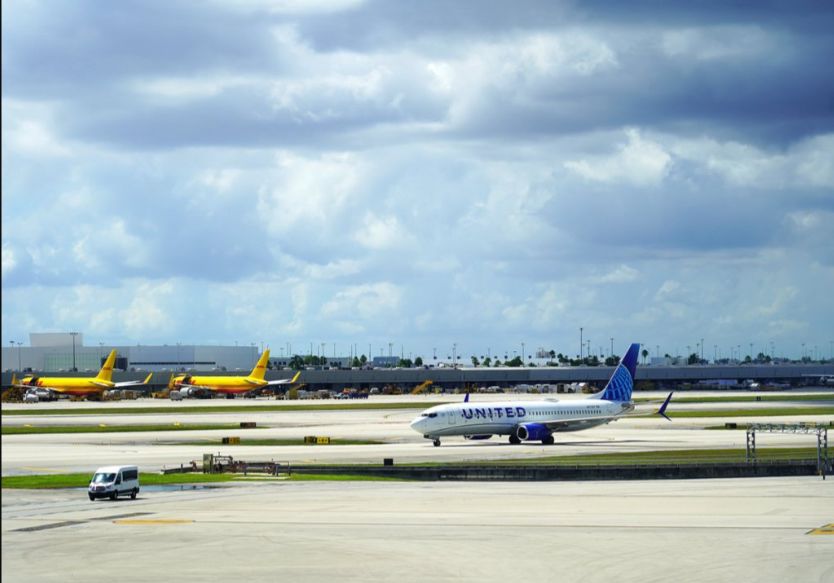
Group 1: Government Shutdown Impact - The U.S. government shutdown has entered its third week, with the Senate failing to pass a temporary funding bill for the tenth time, leading to significant socio-economic repercussions affecting nearly one million families and key industries [1][8] - The estimated economic loss due to the shutdown is approximately $15 billion per week, with severe impacts on various sectors, particularly transportation and housing [4][9] - The ongoing political deadlock between the two parties in Washington is deepening, with both sides unwilling to compromise, raising concerns that this could become the longest government shutdown in U.S. history [1][8] Group 2: Federal Employees' Struggles - Approximately 700,000 to 750,000 federal employees have been furloughed, while hundreds of thousands of essential workers are forced to work without pay, leading to financial strain and uncertainty for many families [2][3] - Many federal employees are seeking side jobs to compensate for lost income, with some taking on multiple gigs to make ends meet during the shutdown [3][4] Group 3: Sector-Specific Consequences - The transportation sector is experiencing chaos due to a shortage of air traffic controllers, resulting in significant flight delays and cancellations, with over 8,200 flights affected on a single day [4][6] - The real estate market is facing uncertainty as federal programs, including the National Flood Insurance Program and various mortgage approval processes, are stalled, potentially delaying or halting home transactions [6][7] - Public services, including museums and cultural institutions, are closed, impacting local economies and tourism, with some businesses reporting a drop in revenue of over 50% [6][7] Group 4: Broader Economic Implications - The shutdown is expected to have a cascading effect on the economy, with potential long-term damage to consumer confidence and spending, which could exacerbate the economic downturn [9][10] - Predictions indicate that if the shutdown continues, consumer spending losses could reach $30 billion, and unemployment rates may rise from 4.3% to 4.8% [9][10]