中东市场投资

Search documents
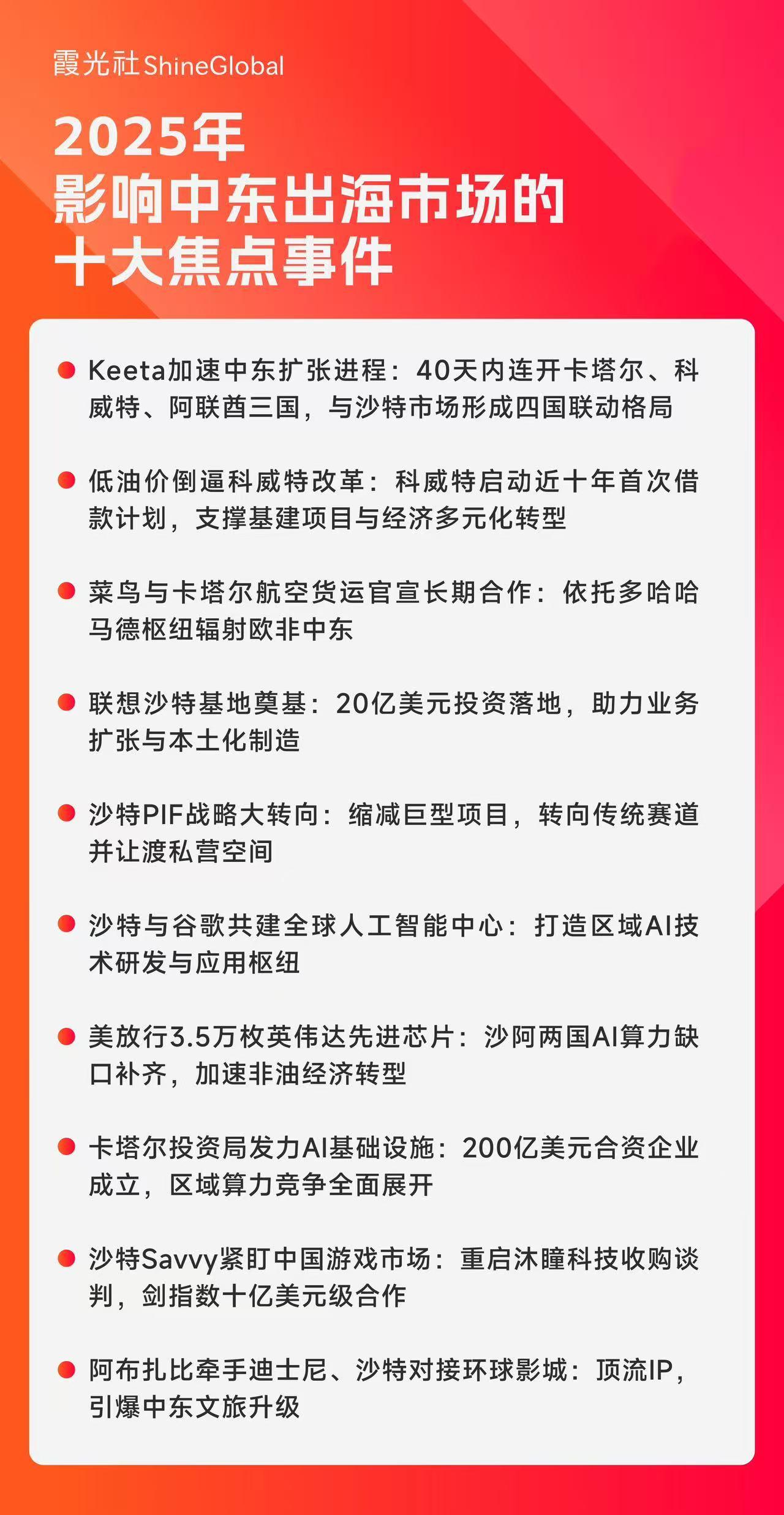
2025出海盘点:下一片出海热土,为什么还是中东?
Xin Lang Cai Jing· 2026-01-05 08:25
Core Insights - Chinese enterprises are quietly deepening their presence in the Middle East, transitioning from initial market entry to a phase of localized operations and ecosystem collaboration [1][2] - A significant majority of Chinese companies (nearly 90%) plan to enter or continue developing in the Middle East, with 44% having detailed business plans, marking a 7% increase from 2022 [1] - The profitability of Chinese firms in the region has improved, with 40% reporting profits, a 9% increase from the previous year, while the proportion of loss-making companies has decreased to 15% [1] Group 1: Market Trends - The Middle East market is entering a "silent growth period," characterized by substantial progress despite reduced media attention compared to previous years [1] - The focus of competition has shifted from merely selling products to establishing a sustainable local presence [2] - Chinese companies are expanding their reach beyond Saudi Arabia and the UAE to other GCC markets, indicating a strategic shift towards deeper market penetration [5][6] Group 2: Business Models - The collaboration model between Chinese firms and Middle Eastern partners is evolving from single projects to industry chain collaboration and platform-based operations [10] - Chinese companies are increasingly establishing regional headquarters and local operational systems, enhancing their service delivery capabilities [10] - The integration of local capital with Chinese technology and operational expertise is becoming a common strategy for successful market entry [10] Group 3: Investment Opportunities - The GCC countries are actively seeking foreign investment, with nations like Bahrain and Qatar positioning themselves as strategic hubs for Chinese enterprises [12][13] - The focus on logistics and supply chain collaboration is evident, with partnerships being formed to enhance regional connectivity and operational efficiency [13] - The gaming and AI sectors are emerging as key areas of investment, with significant capital being allocated to these industries by Middle Eastern sovereign funds [26][24] Group 4: Consumer Behavior - The growing middle class in the Middle East is characterized by a lack of brand loyalty, making them receptive to new products and brands [29][30] - There is a notable shift towards local products, with consumers willing to pay premium prices for homegrown brands, reflecting a rising sense of national pride [32][33] - The demand for experiential and quality-driven consumption is increasing, with consumers willing to pay more for enhanced experiences and services [30][31] Group 5: Tourism and Cultural Shifts - The Middle East is witnessing a transformation in its tourism sector, with Saudi Arabia and the UAE investing heavily in cultural and entertainment projects to attract international visitors [40][41] - The loosening of traditional restrictions, such as the introduction of alcohol sales and casinos, is part of a broader strategy to enhance the region's appeal as a tourist destination [41][42] - Major international entertainment brands are establishing a presence in the region, further solidifying its status as a global tourism hub [44]