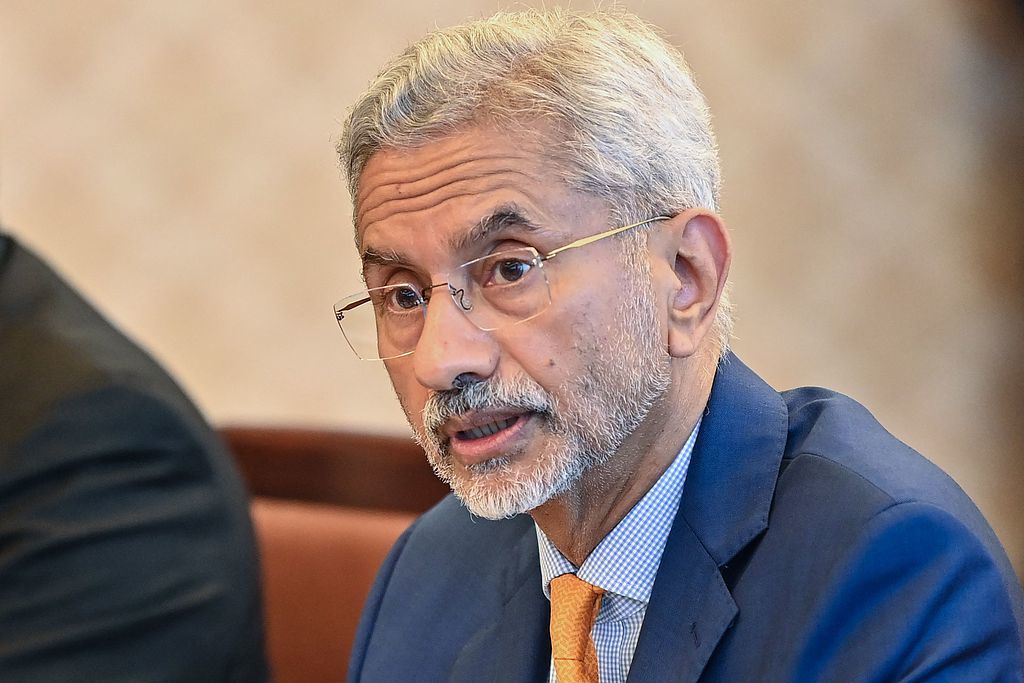
中印关系缓和

Search documents
关键时刻被美国放鸽子,无路可走的莫迪,要给王毅外长最高待遇
Sou Hu Cai Jing· 2025-08-18 12:08
Core Viewpoint - The article discusses the recent diplomatic developments between India and China, particularly focusing on Foreign Minister Wang Yi's visit to India amidst stalled US-India trade negotiations and deteriorating India-Pakistan relations [1][3]. Group 1: US-India Trade Relations - US-India trade negotiations have hit a deadlock, with the US canceling a planned visit to India for discussions, raising uncertainties about bilateral trade talks [1][3]. - Earlier this year, there were expectations of reaching a preliminary trade agreement by autumn, aiming to increase annual trade to $500 billion by 2030. However, recent US tariffs on Indian goods due to India's oil purchases from Russia have strained relations [3]. Group 2: China-India Diplomatic Engagement - In light of the US-India tensions, Wang Yi's visit to India from October 18 to 20 is significant, as it marks the first visit by a Chinese foreign minister to India in over three years [5][7]. - The visit will include discussions on key issues such as border tensions, trade relations, and the resumption of flights, indicating a potential thaw in China-India relations after a period of cooling since the 2020 border conflict [5][7]. Group 3: High-Level Meetings - Wang Yi is expected to meet with Indian Prime Minister Modi, Foreign Minister S. Jaishankar, and National Security Advisor Ajit Doval, highlighting the importance of this diplomatic engagement [5][7]. - The meeting is seen as an opportunity to address the border issue and enhance bilateral relations, with both countries expressing a desire to not let border disputes hinder their development [7].

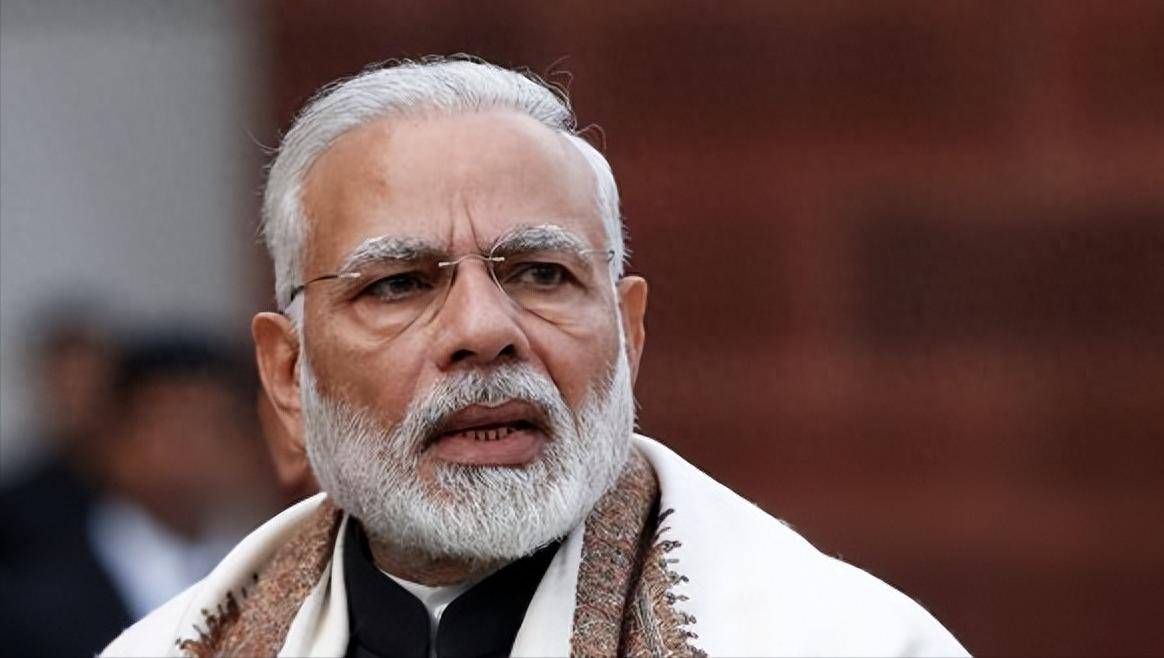
英媒:莫迪将时隔7年再访华,并前往天津参加上合峰会
Huan Qiu Shi Bao· 2025-08-07 22:57
Core Viewpoint - Indian Prime Minister Modi's planned visit to China for the Shanghai Cooperation Organization summit on August 31 marks his first visit in seven years, indicating a potential thaw in Sino-Indian relations [1][3]. Group 1: Diplomatic Engagement - India and China are in communication regarding Modi's participation in the summit, with preparations underway for a possible bilateral meeting between the leaders [3]. - Modi's visit to Japan for the annual India-Japan summit is also planned, although its certainty is questioned due to recent political challenges faced by Japan's Prime Minister [3]. - Following the Kazan summit last year, both countries have sought to repair relations, including initiatives like restarting pilgrimage tours and issuing visas for Chinese tourists [4]. Group 2: Geopolitical Context - Modi's visit comes at a time when India-U.S. relations are under strain, particularly after the U.S. imposed additional tariffs on India and threatened further actions regarding India's oil purchases from Russia [4]. - The visit is seen as a strategic move by Modi's government to strengthen ties with China amidst changing global dynamics and to showcase India's diplomatic independence [5]. - Analysts suggest that if Modi's visit proceeds, it could lead to a series of international meetings, reinforcing India's position in the geopolitical landscape [5].
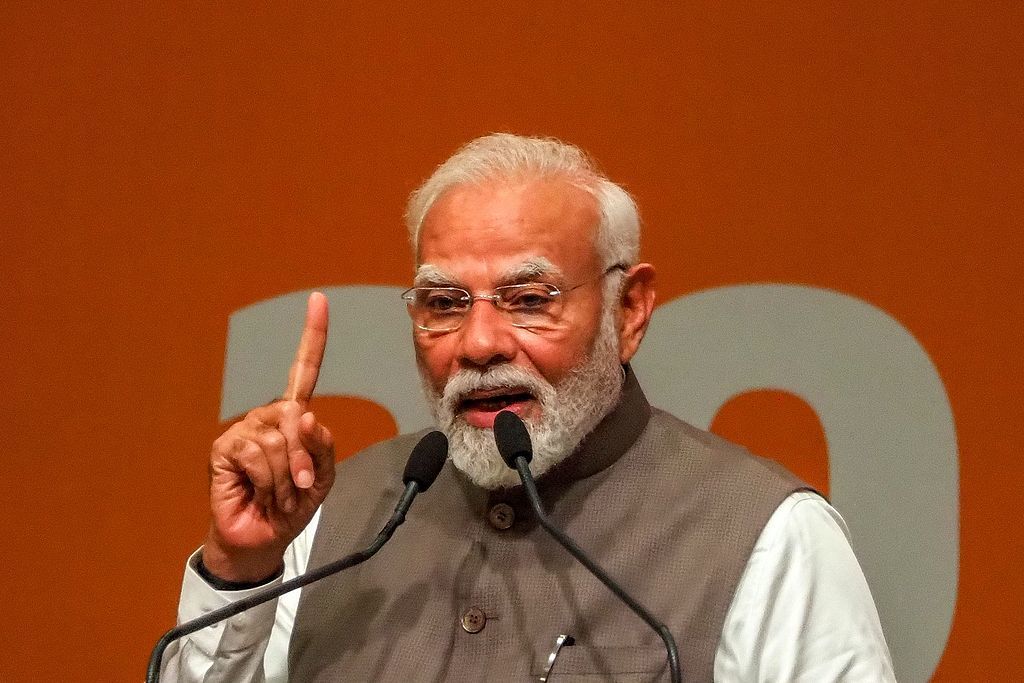
印度外长时隔五年访华
news flash· 2025-07-14 00:22
Group 1 - The core point of the article highlights the significance of Indian Foreign Minister S. Jaishankar's visit to China, marking the first visit by an Indian foreign minister to China in five years, which signals a continued easing of India-China relations [1] Group 2 - During the visit, Jaishankar will attend the Shanghai Cooperation Organization (SCO) Foreign Ministers' Council meeting in Tianjin and hold bilateral talks with Chinese officials, indicating a focus on diplomatic engagement [1]
将赴天津出席上合会议,释放中印关系缓和信号,印度外长时隔五年访华
Huan Qiu Shi Bao· 2025-07-13 22:47
Group 1 - Indian Foreign Minister S. Jaishankar's visit to China marks the first visit by an Indian foreign minister in five years, signaling a continued thaw in Sino-Indian relations [1][3] - The visit includes participation in the Shanghai Cooperation Organization (SCO) Foreign Ministers' Council meeting in Tianjin, where bilateral talks with Chinese officials are expected [1][5] - The agenda for the bilateral talks is likely to focus on normalizing relations, including issues such as rare earth export restrictions and the resumption of direct flights between the two countries [3][4] Group 2 - The backdrop of this visit includes a series of high-level exchanges between India and China since the border standoff in 2020, with recent meetings involving Indian defense and national security officials [4] - The establishment of a special representative mechanism for border issues and various diplomatic and military communication channels indicates a structured approach to resolving tensions [4] - The upcoming SCO summit, expected to take place in late August or early September, is anticipated to be a significant event for further improving Sino-Indian relations, with Indian Prime Minister Modi likely to attend [3][4]