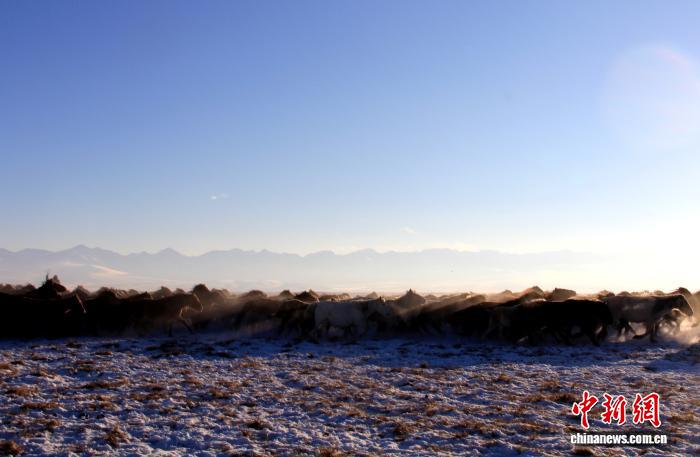
中原与西域马文化交融

Search documents
马合木提·阿布都外力:新疆马文化何以实证中原与西域的交融史?
Zhong Guo Xin Wen Wang· 2026-02-24 12:59
Core Viewpoint - The discovery of Tang Dynasty painted heavenly horses in Turpan serves as a significant archaeological evidence of the cultural exchange and integration between the Central Plains and the Western Regions of China, highlighting the rich history of horse culture in Xinjiang and its implications for understanding the multi-ethnic unity of Chinese culture [1][6][11]. Group 1: Cultural Significance of Horses - In Chinese culture, horses symbolize loyalty, bravery, and progress, often associated with the fate of the nation and the strength of dynasties [2][3]. - In Western culture, horses represent freedom, heroism, and noble honor, particularly in the context of knights and aristocracy [2]. - Despite cultural differences, both Eastern and Western cultures attribute similar values to horses, such as strength, speed, and reliability [2]. Group 2: Historical Development of Horse Culture - The exchange of horse culture between the Central Plains and the Western Regions began as early as the pre-Qin period, with records of horse tributes during the Shang Dynasty [8]. - During the Han Dynasty, significant horse imports from the Western Regions, such as the "Heavenly Horse," played a crucial role in military and transportation advancements [8][9]. - The Tang Dynasty marked the peak of this cultural integration, with flourishing trade and cultural exchanges, including the introduction of Western music and dance into the Central Plains [9]. Group 3: Archaeological Evidence - The Tang Dynasty painted heavenly horses discovered in Turpan are unique for their combination of Western mineral pigments and Central Plains painting techniques, symbolizing a blend of cultural elements [6][11]. - The artistic representation of these horses reflects both the aesthetic values of the Central Plains and the cultural significance of horses in the Western Regions [6][11]. Group 4: Modern Implications - The evolution of horse culture in Xinjiang illustrates the broader narrative of multi-ethnic integration within Chinese culture, from ancient times to contemporary celebrations like the Zhaosu Heavenly Horse Festival [11][13]. - The historical significance of horses in Xinjiang serves as a testament to the interconnectedness of various ethnic cultures within the framework of Chinese civilization [11][13].