中华文化多元一体

Search documents
东西问|马合木提·阿布都外力:新疆马文化何以实证中原与西域的交融史?
Xin Lang Cai Jing· 2026-02-24 13:12
Core Viewpoint - The interview highlights the significance of the recently discovered Tang Dynasty painted horses in Turpan as a key archaeological evidence of the cultural exchange between the Central Plains and the Western Regions of China, showcasing the integration of diverse cultural elements over centuries [3][7][12]. Group 1: Cultural Significance of Horses - In Chinese culture, horses symbolize loyalty, bravery, and progress, often associated with national destiny and military strength [4][5]. - In Western culture, horses represent freedom, heroism, and noble honor, particularly in medieval Europe where they were linked to knightly virtues [4]. - Despite cultural differences, both Eastern and Western traditions attribute similar values to horses, such as strength, speed, and reliability [4]. Group 2: Historical Development of Horse Culture - The exchange of horse culture between the Central Plains and the Western Regions dates back to the pre-Qin period, with records indicating the tribute of fine horses [9]. - During the Han Dynasty, significant horse breeds were introduced from the Western Regions, enhancing military and transportation capabilities in China [9][10]. - The Tang Dynasty marked a peak in this cultural exchange, with the flourishing of trade and the introduction of Western musical and artistic elements into the Central Plains [10]. Group 3: Archaeological Evidence - The Tang Dynasty painted horses discovered in Turpan are unique for their blend of Western mineral pigments and Central Plains painting techniques, symbolizing cultural fusion [7][9]. - These horses reflect the artistic traditions of both regions, serving as a direct archaeological testament to the cultural interactions during the Tang Dynasty [7][9]. Group 4: Modern Implications - The evolution of horse culture in Xinjiang serves as a microcosm of the broader narrative of cultural integration within China, illustrating the interconnectedness of various ethnic cultures [12][14]. - Contemporary events like the Zhaosu Tianma Festival highlight the ongoing significance of horse culture as a medium for ethnic unity and cultural exchange [12][14].

马合木提·阿布都外力:新疆马文化何以实证中原与西域的交融史?
Zhong Guo Xin Wen Wang· 2026-02-24 12:59
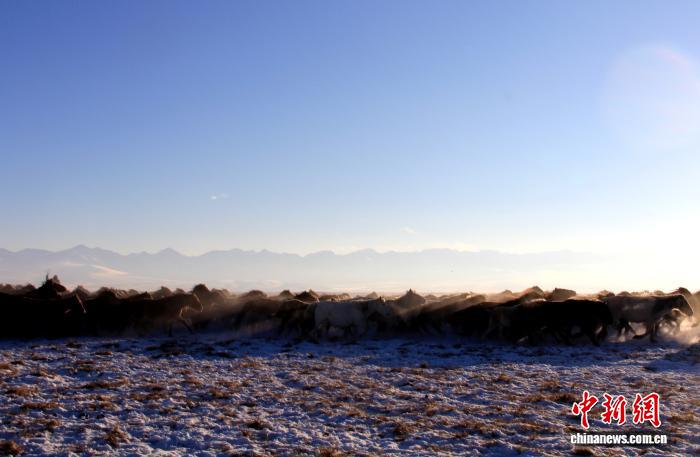
Core Viewpoint - The discovery of Tang Dynasty painted heavenly horses in Turpan serves as a significant archaeological evidence of the cultural exchange and integration between the Central Plains and the Western Regions of China, highlighting the rich history of horse culture in Xinjiang and its implications for understanding the multi-ethnic unity of Chinese culture [1][6][11]. Group 1: Cultural Significance of Horses - In Chinese culture, horses symbolize loyalty, bravery, and progress, often associated with the fate of the nation and the strength of dynasties [2][3]. - In Western culture, horses represent freedom, heroism, and noble honor, particularly in the context of knights and aristocracy [2]. - Despite cultural differences, both Eastern and Western cultures attribute similar values to horses, such as strength, speed, and reliability [2]. Group 2: Historical Development of Horse Culture - The exchange of horse culture between the Central Plains and the Western Regions began as early as the pre-Qin period, with records of horse tributes during the Shang Dynasty [8]. - During the Han Dynasty, significant horse imports from the Western Regions, such as the "Heavenly Horse," played a crucial role in military and transportation advancements [8][9]. - The Tang Dynasty marked the peak of this cultural integration, with flourishing trade and cultural exchanges, including the introduction of Western music and dance into the Central Plains [9]. Group 3: Archaeological Evidence - The Tang Dynasty painted heavenly horses discovered in Turpan are unique for their combination of Western mineral pigments and Central Plains painting techniques, symbolizing a blend of cultural elements [6][11]. - The artistic representation of these horses reflects both the aesthetic values of the Central Plains and the cultural significance of horses in the Western Regions [6][11]. Group 4: Modern Implications - The evolution of horse culture in Xinjiang illustrates the broader narrative of multi-ethnic integration within Chinese culture, from ancient times to contemporary celebrations like the Zhaosu Heavenly Horse Festival [11][13]. - The historical significance of horses in Xinjiang serves as a testament to the interconnectedness of various ethnic cultures within the framework of Chinese civilization [11][13].
“观像・见心——热贡艺术的庄严妙相与大千世界”“西京印迹——大同辽金元文物展” 在滨州市博物馆盛大开幕
Xin Lang Cai Jing· 2026-01-29 09:27
Core Viewpoint - The opening of two exhibitions, "Seeing the Heart through Images - The Majestic Essence of Regong Art and the Vast World" and "Western Capital Imprint - The Dalian Liao, Jin, and Yuan Cultural Relics Exhibition," at the Binzhou Museum showcases the richness of Chinese culture through diverse artistic and historical perspectives [1]. Group 1: Exhibition Details - The "Seeing the Heart through Images" exhibition features 82 precious pieces of Regong art, highlighting ethnic artistic treasures represented by Thangka, murals, and sculptures [1]. - The "Western Capital Imprint" exhibition displays 155 artifacts from the Liao and Jin periods, illustrating the multifaceted nature of Dalian as a military stronghold, trade hub, and cultural melting pot [1]. Group 2: Cultural Significance - Both exhibitions aim to provide audiences with insights into the splendid cultures of different regions and ethnicities, emphasizing the deep historical roots and contemporary vitality of the Chinese national community [1]. - The exhibitions received professional guidance from the China Cultural Relics Exchange Center and collaboration from cultural institutions and experts from three regions during the preparation process [1]. Group 3: Future Initiatives - The China Cultural Relics Exchange Center plans to strengthen cooperation with Binzhou, further exploring the connotations of cultural relics and effectively narrating Chinese stories [1]. - The city aims to leverage this opportunity to enhance publicity and innovation in cultural appreciation, particularly in response to public cultural needs during the Spring Festival [1].
“观像・见心——热贡艺术的庄严妙相与大千世界”“西京印迹——大同辽金元文物展”开幕
Xin Lang Cai Jing· 2026-01-29 09:27
Group 1 - The dual exhibitions "Seeing the Heart through Images - The Majestic Aspects of Regong Art and the Vast World" and "Western Capital Imprints - The Dalian Liao, Jin, and Yuan Cultural Relics Exhibition" opened at the Binzhou Museum, showcasing the rich cultural heritage and innovation of Binzhou as an important city in the Yellow River basin [1][4] - The exhibitions highlight the integration of diverse Chinese cultures, featuring 82 pieces of Regong art, including Thangka, murals, and sculptures, and 155 relics from the Liao, Jin, and Yuan dynasties, illustrating the multifaceted nature of Dalian as a military stronghold, trade hub, and cultural melting pot [2] - The events aim to promote high-quality development of museums and enhance the awareness of the Chinese national community, with plans to attract youth and culture enthusiasts to engage with the museum [1][2] Group 2 - The exhibitions received professional guidance from the China Cultural Relics Exchange Center and collaboration from cultural institutions and experts from three regions, emphasizing the importance of teamwork in cultural promotion [2] - The opening ceremony was attended by key officials, including the Deputy Mayor and representatives from the China Cultural Relics Exchange Center, highlighting the significance of the events for cultural exchange and community engagement [1][3]
油画里的大美新疆
Ren Min Ri Bao· 2025-10-11 21:53
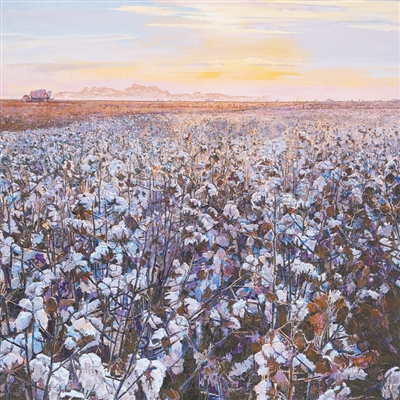
Core Perspective - The evolution of Xinjiang oil painting reflects a dual exploration of contemporary relevance and regional identity, transitioning from static depictions of ethnic customs to dynamic narratives that capture the region's socio-economic transformations [2][5]. Group 1: Artistic Development - Xinjiang oil painters have shifted focus from merely recording ethnic customs to becoming witnesses of historical changes and builders of cultural identity, using their art to narrate the profound transformations in Xinjiang [2]. - Contemporary works emphasize dynamic development, showcasing the vibrant changes in Xinjiang through industrial themes and agricultural advancements, as seen in works like Fu Jianfeng's "Backlight - National Heavy Equipment Series" and Ma Yong's "Xinjiang Cotton - Fertile Fields" [2][3]. Group 2: Micro-Narratives - Newer artworks capture the warmth of everyday life, with artists drawing inspiration from domestic scenes and daily objects to reflect significant societal changes, such as Liu Jianxin's "Sweet Tea" series, which connects past and present living conditions [3]. - The use of traditional colors and modern themes in works like Mai Erdan's "Proposal" illustrates the continuity of cultural practices in contemporary settings, linking traditional customs with modern life [3]. Group 3: Cultural Integration - The expression of Xinjiang's "multi-ethnic unity" has evolved from mere symbolic representation to a deeper cultural dialogue, as seen in Zhang Leizhen's "Kizil Stories" and Nurmaimaiti's "Work Team," which blend policy practices with the daily lives of various ethnic groups [4]. - This artistic approach emphasizes the natural flow of cultural traits through daily interactions, highlighting the essence of China's multi-ethnic culture without focusing solely on regional characteristics [4]. Group 4: Historical Documentation - Xinjiang oil paintings serve as living historical records, documenting significant developments such as high-speed railways and renewable energy projects, while also acting as cultural bridges that convey the beauty and vitality of the region to a broader audience [5]. - The transformation of Xinjiang oil painting represents a broader artistic revolution, where artists aim to depict the aspirations and progress of the local populace under the leadership of the Party, showcasing the vibrant expression of China's multi-ethnic unity in the contemporary era [5].