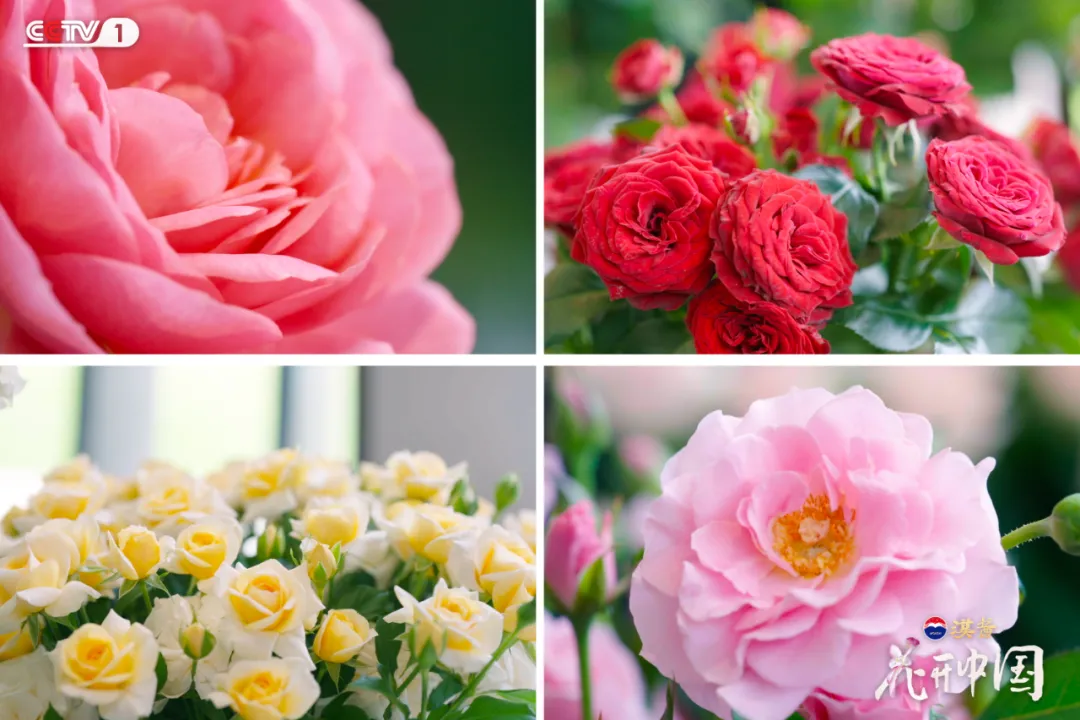
中国芯月季

Search documents
以二舅命名的月季,价格亲民
Xin Lang Cai Jing· 2026-01-17 13:33
Group 1 - The "Baohua" rose, named after Liu Baohua, has gained priority planting rights, which were won by a local company during a bidding event in Kunming [2][7] - The "Baohua" rose is expected to be launched in August 2026 as a consumer-friendly potted plant, with a price range of approximately 10 to 20 yuan per pot [2][7] - The rose is designed for home gardening, featuring easy-to-care-for characteristics, and will be delivered in pots with flower buds, along with slow-release fertilizer and specialized planting soil [7] Group 2 - The naming of the "Baohua" rose was inspired by a public suggestion during a naming campaign initiated by the Yunnan Academy of Agricultural Sciences, where it received significant support from the public [5] - The name "Baohua" embodies positive connotations, aligning with the research team's promotion of the "Chinese core" rose variety [5] - The first batch of "Baohua" roses is set to be delivered in August 2026, with pre-sales expected to start soon [7]


为月季装上中国“芯”的“种花人”
Xin Lang Cai Jing· 2026-01-16 23:10
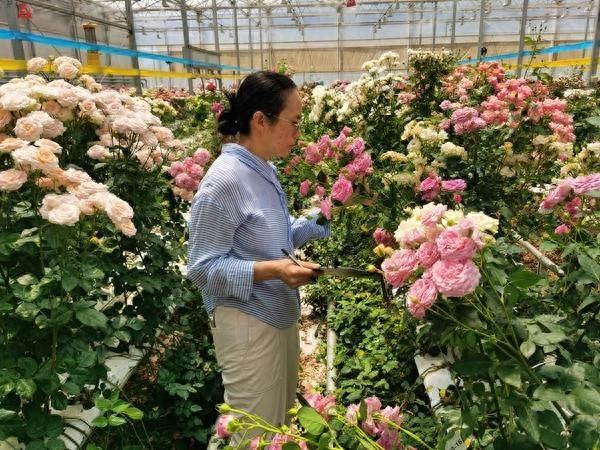
Core Insights - The unexpected popularity of the "Baohua" rose, named through an online naming campaign, highlights the growing interest in domestic flower breeding in China [2][3] - The breeding team at Yunnan Academy of Agricultural Sciences aims to enhance the market share of domestic roses, which currently relies heavily on imported genetic resources [3][5] Group 1: Breeding and Innovation - The breeding team has developed nearly 3,000 superior rose varieties in just three years, with a reserve of over 100,000 hybrid offspring [5] - The team utilizes a modern intelligent greenhouse to optimize breeding conditions, allowing for year-round efficient operations [5][6] - The goal is to launch over 1,000 new rose varieties with independent intellectual property rights by May 2025, addressing the "chip" shortage in the domestic rose industry [5][6] Group 2: Cultural and Market Relevance - The naming of the "Baohua" rose reflects a cultural connection, as the team seeks to create varieties that resonate with Chinese heritage and aesthetics [6][8] - The "Chinese style" rose series aims to differentiate itself from foreign varieties by focusing on elegance and fragrance, with 28 varieties already sent for climate testing in France and Kenya [8] - The naming process has evolved to engage the public, with the next series named "Jin Xiu" inspired by a touching story related to a local hero, further bridging the gap between research, market, and public sentiment [9]
“宝华”“文秀”!这届网友为国产月季起的名,出圈了!
Xin Lang Cai Jing· 2026-01-08 13:48
Core Viewpoint - The recent popularity of new domestic rose varieties in China, particularly the naming of the "Baohua" and "Wenxiu" roses, highlights the intersection of cultural significance and marketability in agricultural innovation [1][2][3][4]. Group 1: Naming and Cultural Significance - The Yunnan Academy of Agricultural Sciences is facing challenges in naming over a thousand newly cultivated rose varieties, with names needing to be culturally resonant and market-friendly [1][3]. - The name "Baohua" emerged from a social media naming campaign, resonating with the public due to its familial warmth and cultural significance, leading to its selection as the official name for a new variety [2][3]. - The name "Wenxiu" gained traction as a tribute to a cultural figure, reflecting deep emotional connections and public sentiment, further emphasizing the role of cultural narratives in product naming [4][5]. Group 2: Market Development and Innovation - Since 2022, the breeding team has submitted 110 new rose varieties for approval, with over 30 already entering large-scale cultivation and market distribution [5]. - The domestic rose varieties, referred to as "Chinese core" roses, are positioned to compete on an international level, showcasing the potential for Chinese agricultural products to gain global recognition [6][7]. - The overarching vision of the breeding team is encapsulated in the phrase "Chinese core, Chinese style, Chinese manufacturing," indicating a commitment to promoting domestic agricultural innovation [7].