文秀月季

Search documents
让“娇龙”月季在贺娇龙家乡永久绽放,新疆昭苏代表赴云南迎花
Xin Lang Cai Jing· 2026-02-01 04:53
Core Viewpoint - The naming of the new rose variety "Jiaolong" is a tribute to the late Xinjiang official He Jiaolong, reflecting public sentiment and respect for her contributions to rural development and ethnic unity [1][4]. Group 1: Event Overview - Representatives from the Ili Kazakh Autonomous Prefecture arrived in Urumqi on February 1 to participate in the "Jiaolong" rose gifting ceremony in Yunnan [1]. - The "Jiaolong" rose is intended to permanently bloom in the hometown of He Jiaolong, symbolizing remembrance and respect [1]. Group 2: Naming Activity - The rose variety, initially designated as 4815-27, was part of a naming campaign launched on January 16, 2023, aimed at promoting the flower industry in Yunnan [3][4]. - The campaign received significant public engagement, with "Jiaolong" emerging as the leading name due to its emotional resonance [4][5]. Group 3: Decision and Announcement - An announcement was made to terminate the naming activity early and officially designate the rose as "Jiaolong" based on overwhelming public support [4][5]. - The name "Jiaolong" aligns with the rose's characteristics and embodies the spirit of He Jiaolong's dedication to public service and rural empowerment [4][5]. Group 4: Future Steps - The Yunnan Academy of Agricultural Sciences has submitted the application materials for the "Jiaolong" rose to the National Forestry and Grassland Administration [5].

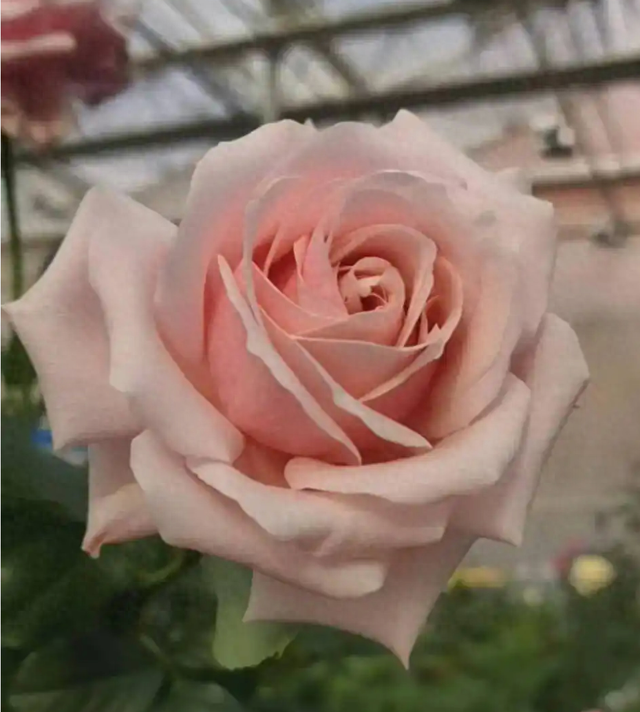
青平:宝华、文秀、娇龙,愿三朵承载敬意的月季常开不败
Xin Lang Cai Jing· 2026-01-26 15:53
Core Viewpoint - The naming of the new rose variety "Jiaolong" serves as a collective tribute to grassroots workers and reflects the public's deep appreciation for those dedicated to serving the community [1][2]. Group 1: Naming Significance - The rose "Jiaolong" was named in memory of the late Xinjiang official He Jiaolong, highlighting the emotional connection and recognition from the public towards her contributions [1][2]. - Previous roses named "Wenxiu" and "Baohua" also symbolize the resilience and dedication of ordinary individuals, creating a narrative of collective respect for those who serve selflessly [1][2]. Group 2: Public Sentiment - The high vote count for "Jiaolong" reflects the genuine feelings of the people towards those who work diligently for the benefit of others, emphasizing a shared value of altruism and commitment [2]. - The stories behind the names resonate with the public, awakening a collective pursuit of admirable qualities and virtues within society [2]. Group 3: Cultural Impact - The naming event transcends a simple floral contest, evolving into a significant collective action that honors the spirit of dedication and service [2]. - The three roses symbolize a broader societal recognition that all individuals, regardless of their status, deserve to be remembered and honored for their contributions to society [2].
锐评丨“娇龙”月季官宣!为百姓幸福而开的花永远绽放
Xin Lang Cai Jing· 2026-01-25 03:49
Core Viewpoint - The "Jiaolong" rose has been officially named, reflecting public sentiment and honoring the late He Jiaolong's contributions to agriculture and community service [1][3][4]. Group 1: Naming Process - The Yunnan Academy of Agricultural Sciences announced the naming of the rose previously known as "China Core" to "Jiaolong" on January 23, following overwhelming public support [1][3]. - The naming activity, which began on January 16, attracted significant attention and participation from netizens across the country, with "Jiaolong" emerging as the clear favorite [3][4]. Group 2: Symbolism and Significance - The "Jiaolong" rose symbolizes resilience and beauty, reflecting both the characteristics of the flower and the spirit of He Jiaolong, who dedicated over 20 years to serving the community [4][5]. - The rose is a domestically developed variety that breaks foreign monopolies, showcasing both aesthetic appeal and robustness in low-temperature environments [4]. Group 3: Community Impact - The naming of the "Jiaolong" rose has resonated deeply with grassroots workers, inspiring them to continue their service to the community [4][5]. - The emotional connection expressed by the public highlights the importance of leaders who prioritize the well-being of the people, reinforcing the idea that those who care for the community will be remembered fondly [4][5].
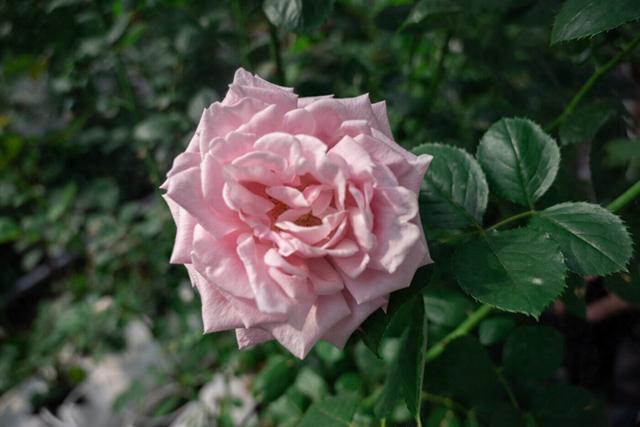
“文秀月季”“娇龙月季”问世:最美的花,为老百姓的幸福而开
Xin Lang Cai Jing· 2026-01-24 03:07
Core Viewpoint - The recent naming event for two new rose varieties, "Wenxiu" and "Jiaolong," serves as a heartfelt tribute to grassroots leaders Huang Wenxiu and He Jiaolong, who dedicated their lives to poverty alleviation and community development, reflecting the public's deep appreciation for selfless service [1][3]. Group 1 - The naming of the roses symbolizes the enduring legacy of leaders who prioritize the welfare of the people, with the flowers representing hope and beauty in the fight against poverty and for rural revitalization [1][4]. - The emotional response from the public highlights a collective desire for more dedicated public servants like Wenxiu and Jiaolong, emphasizing the importance of commitment to serving the community [1][3]. Group 2 - The stories of Wenxiu and Jiaolong inspire a new generation, encouraging young individuals to pursue public service and embody values such as selflessness, optimism, and a sense of mission [3][4]. - The initiative to spread the "Wenxiu" and "Jiaolong" roses across the country aims to promote a culture of dedication and service, reinforcing societal values that prioritize the well-being of all citizens [4].

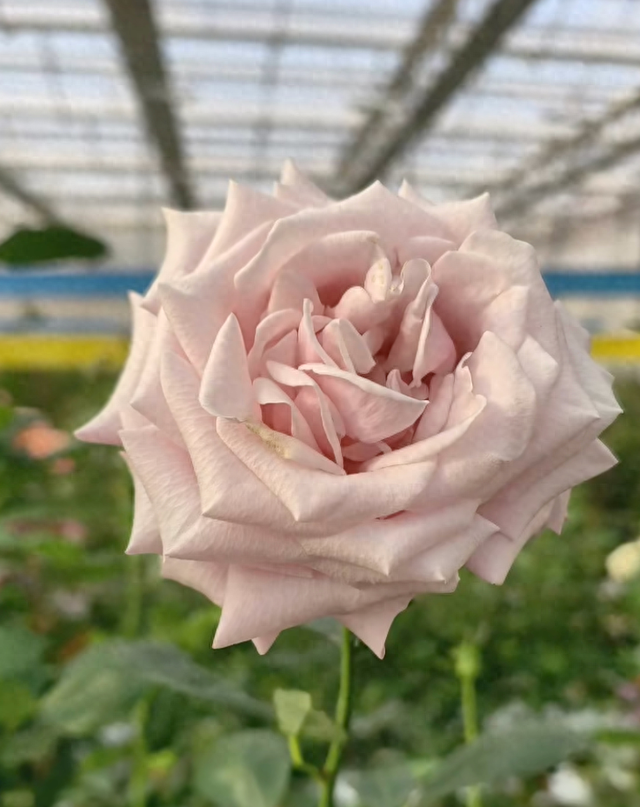
“这朵花,就叫‘娇龙’吧!”
Xin Lang Cai Jing· 2026-01-21 15:25
Core Viewpoint - The naming activity for the new rose variety "China Wind" has gained significant public attention, with the name "Jiaolong" receiving widespread support, particularly as a tribute to the recently deceased Xinjiang female official He Jiaolong [1][3]. Group 1: Naming Activity - The "Jiaolong" name has shown a clear lead in public support since the naming initiative began, reflecting a strong consensus among participants [3]. - The research team is considering whether to finalize the name "Jiaolong" ahead of schedule, similar to the previous naming of "Wenxiu Rose," due to its emotional resonance [5]. - Alternative names such as "Jiaolong Treading Snow" and "Jiaolong Fairy" may be developed if "Jiaolong" is already registered [5]. Group 2: Characteristics of the Rose - The "China Wind" rose variety is characterized by diverse flower shapes, fragrance, and a long blooming period, marking a systematic breakthrough in China's rose breeding efforts [5]. - The initiative emphasizes the integration of Eastern aesthetics and emotional expression in the cultivation of roses, allowing for public interaction with scientific achievements [7]. Group 3: Emotional and Cultural Significance - The naming process transforms the roses from mere scientific products into carriers of emotions and values, reflecting the ultimate goal of breeders to enhance public happiness [5]. - Public participation in naming allows the flowers to have a lasting legacy, as names can endure beyond the physical life of the flowers [7].
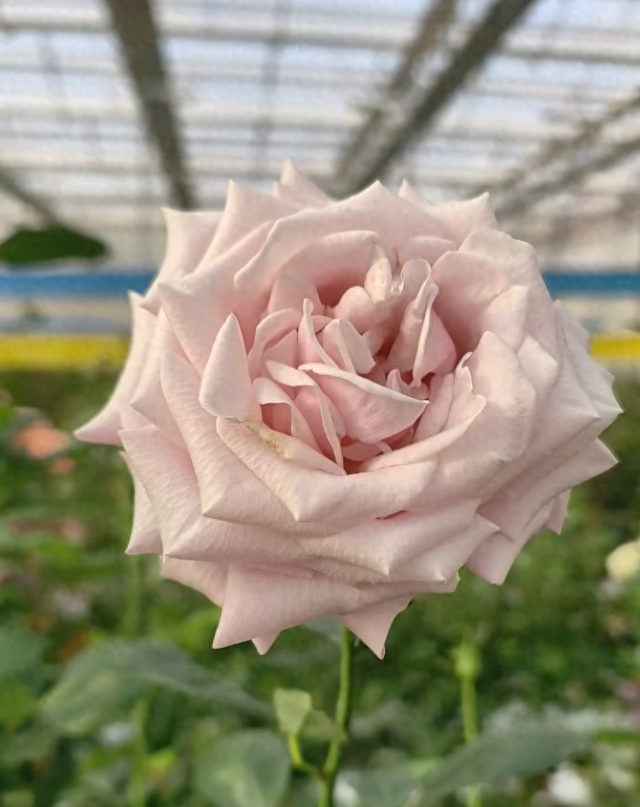
为月季装上中国“芯”的“种花人”
Xin Lang Cai Jing· 2026-01-16 23:10
Core Insights - The unexpected popularity of the "Baohua" rose, named through an online naming campaign, highlights the growing interest in domestic flower breeding in China [2][3] - The breeding team at Yunnan Academy of Agricultural Sciences aims to enhance the market share of domestic roses, which currently relies heavily on imported genetic resources [3][5] Group 1: Breeding and Innovation - The breeding team has developed nearly 3,000 superior rose varieties in just three years, with a reserve of over 100,000 hybrid offspring [5] - The team utilizes a modern intelligent greenhouse to optimize breeding conditions, allowing for year-round efficient operations [5][6] - The goal is to launch over 1,000 new rose varieties with independent intellectual property rights by May 2025, addressing the "chip" shortage in the domestic rose industry [5][6] Group 2: Cultural and Market Relevance - The naming of the "Baohua" rose reflects a cultural connection, as the team seeks to create varieties that resonate with Chinese heritage and aesthetics [6][8] - The "Chinese style" rose series aims to differentiate itself from foreign varieties by focusing on elegance and fragrance, with 28 varieties already sent for climate testing in France and Kenya [8] - The naming process has evolved to engage the public, with the next series named "Jin Xiu" inspired by a touching story related to a local hero, further bridging the gap between research, market, and public sentiment [9]
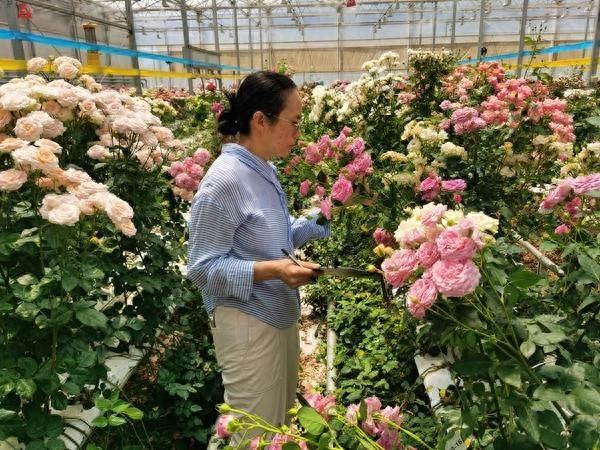
“文秀月季”定名!这朵黄花,是千万人对她的思念
Xin Lang Cai Jing· 2026-01-11 05:53
Core Viewpoint - The article highlights the emotional connection between a new yellow rose variety named "Wenxiu Rose" and the legacy of Huang Wenxiu, a dedicated female poverty alleviation worker who tragically lost her life while serving her community [1][26]. Group 1: Huang Wenxiu's Background - Huang Wenxiu was born in April 1989 in a poor mountainous area of Guangxi, and she completed her education with the help of national assistance policies [4]. - She graduated with a master's degree from Beijing Normal University in 2016 and chose to return to her hometown instead of accepting lucrative job offers in big cities [6][8]. Group 2: Contributions to Poverty Alleviation - Huang Wenxiu became the first secretary of Baidi Village in 2018, a challenging area for poverty alleviation [10]. - Initially met with skepticism, she engaged with villagers by participating in their daily activities and addressing their needs, which helped her gain their trust [12]. - She created a poverty distribution map and worked closely with villagers to improve agricultural practices, particularly in cultivating sugar oranges [14][15]. Group 3: Infrastructure Development - Huang Wenxiu recognized the need for infrastructure improvements to enhance the marketability of local produce and actively sought funding for road construction [17]. - Her efforts led to significant improvements in the village's infrastructure, resulting in 88 out of 100 impoverished households successfully lifting themselves out of poverty by the end of 2020 [20]. Group 4: Legacy and Recognition - Huang Wenxiu's dedication to her community and her tragic passing in June 2019, just two months after her 30th birthday, left a lasting impact [23][26]. - She was posthumously recognized as one of the "Touching China 2019" figures, symbolizing the spirit of dedication and sacrifice in poverty alleviation efforts [26].

“文秀月季”,致敬每一份平凡坚守
Xin Lang Cai Jing· 2026-01-10 09:09
Core Viewpoint - The article highlights the significance of naming a newly cultivated yellow rose "Wenxiu Rose" in honor of Huang Wenxiu, a dedicated poverty alleviation worker who sacrificed her life for her community, symbolizing the spirit of perseverance and dedication in rural development [2][3] Group 1 - The naming of the "Wenxiu Rose" was inspired by a suggestion from a netizen, reflecting the admiration for Huang Wenxiu's contributions to poverty alleviation in her hometown of Baise, Guangxi [2] - Huang Wenxiu, a graduate of Beijing Normal University, chose to return to her impoverished village to help improve infrastructure and livelihoods, successfully leading 418 villagers out of poverty before her untimely death at the age of 30 [2] - The article emphasizes that true commemoration exists not only in high places but also in the everyday lives of ordinary people who contribute to society, likening Huang Wenxiu to countless others who work tirelessly in rural areas [3] Group 2 - The narrative includes a poignant comment from a netizen who shared how poverty alleviation efforts, including subsidies and loans, enabled her family to overcome hardship, illustrating the tangible impact of grassroots workers like Huang Wenxiu [3] - The article reflects on the presence of many individuals embodying the spirit of Huang Wenxiu, including teachers, grassroots workers, and young entrepreneurs who return to their hometowns, emphasizing their quiet yet significant contributions [3] - The "Wenxiu Rose" serves as a tribute not only to heroes like Huang Wenxiu but also to all ordinary people who work diligently in their communities, promoting a message of hope and resilience for the future [3]

“宝华月季”背后 是“中国芯”月季的飞速进展
Yang Shi Wang· 2026-01-07 16:10
Core Viewpoint - The recent popularity of the new Chinese rose variety "Baohua" highlights the intersection of agricultural research and public engagement, showcasing the importance of culturally resonant naming in the industry [1][5][11]. Group 1: Naming Process and Public Engagement - The Yunnan Academy of Agricultural Sciences has faced challenges in naming over 2,000 new rose varieties, leading to a public naming campaign that generated significant interest [3][11]. - A suggestion from a netizen to name a rose "Baohua" after their uncle resonated with the public, leading to its selection as the official name due to its cultural significance [5][11]. - The naming process for another variety, "Wenxiu," was inspired by a netizen's tribute to a local hero, reflecting deep public sentiment and engagement [6][8]. Group 2: Cultural Significance and Market Positioning - The name "Baohua" aligns with the concept of "Chinese core" roses, emphasizing the importance of using culturally relevant names for domestic varieties [5][15]. - The research team aims to create a series of roses named after female heroes, indicating a strategy to enhance cultural connections and market appeal [13]. - The team has successfully registered 110 new rose varieties since 2022, with over 30 already in large-scale cultivation, indicating a strong market presence [13]. Group 3: Future Aspirations and Industry Impact - The initiative to involve the public in naming has not only increased awareness of agricultural technology but also inspired the research team to continue innovating [11][15]. - The overarching goal of the team is to compete with international rose varieties, encapsulated in the vision of "Chinese core, Chinese style, Chinese manufacturing" [15].
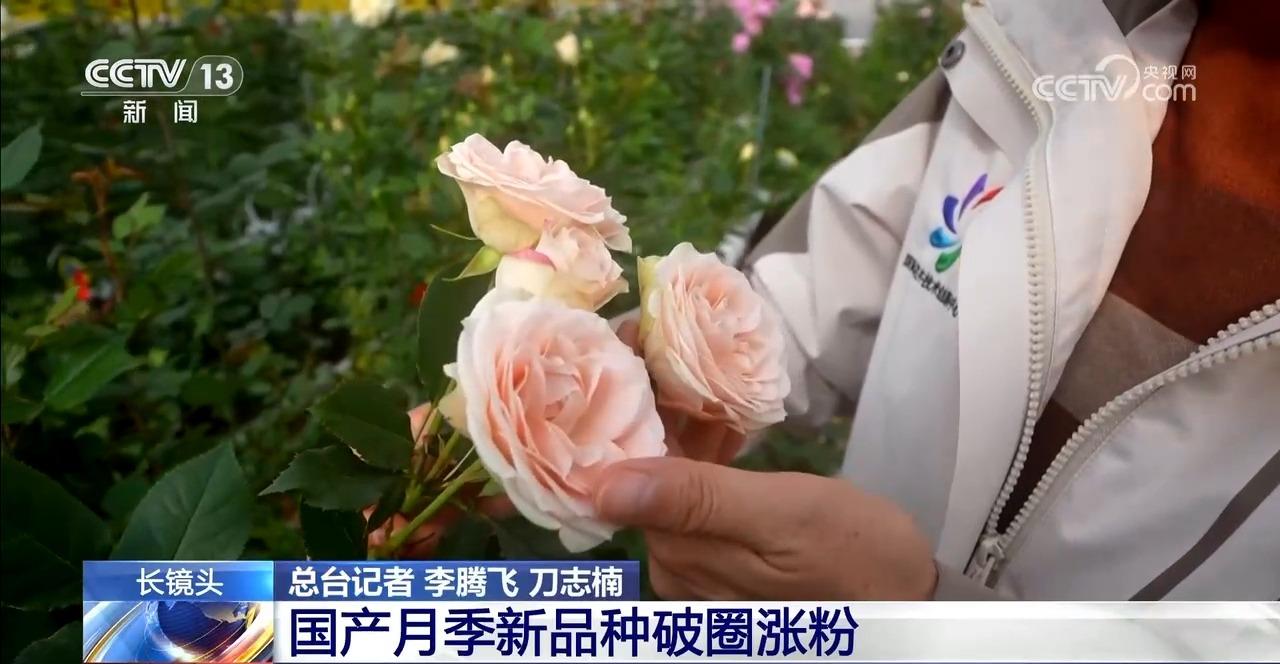
从“宝华”到“文秀” 月季命名全民“整活”,有梗又有情
Xin Lang Cai Jing· 2026-01-04 19:01
Core Viewpoint - The article discusses the innovative approach taken by the Yunnan Academy of Agricultural Sciences' flower research team to engage the public in naming a new rose variety, leading to the name "Baohua" being adopted after a humorous suggestion from a netizen, and the subsequent emergence of the name "Wenxiu" to honor a local hero [4][7][9]. Group 1: Naming Process - The flower research team initiated a public naming campaign for a new rose variety, aiming to enhance public awareness of agricultural science [4]. - Initial responses to the naming campaign were lukewarm until a netizen suggested the name "Liu Baohua," which was initially dismissed by the team due to its informal nature [6]. - After a live-streaming session where the name "Baohua" gained support, the team reconsidered and ultimately submitted the name for official registration [6][9]. Group 2: Emergence of "Wenxiu" - Following the popularity of "Baohua," many netizens began suggesting names based on personal connections, leading to the emergence of "Wenxiu" to honor Huang Wenxiu, a local community leader [7]. - The research team expressed a commitment to ensuring that the rose variety named "Wenxiu" would possess strong disease resistance and aesthetic qualities, reflecting both scientific rigor and respect for the individual being honored [7][9]. - The media coverage of the naming process highlighted the emotional connection and community spirit surrounding the initiative, with plans to plant "Wenxiu" roses in Huang's hometown [8][9]. Group 3: Broader Implications - The campaign sparked a broader discussion about the intersection of science and public engagement, emphasizing the importance of connecting scientific endeavors with human emotions [9][10]. - The team recognized the challenges of naming new varieties, with thousands of new rose cultivars being developed annually, and the need for a more structured approach to future naming initiatives [9]. - The initiative illustrates how emotional narratives can enhance the impact of scientific advancements, making them more relatable to the public [10].