中国足球青训

Search documents
徐根宝的接班人,渐渐有了模样
Xin Lang Cai Jing· 2026-02-24 01:53
Core Viewpoint - The article highlights the successful transition of former players, such as Lü Wenjun and Cai Huikang, into coaching roles within the youth training system at Chongming Island, emphasizing the importance of passing on the legacy of Chinese football through dedicated mentorship and training [5][8][11]. Group 1: Transition of Players to Coaches - Lü Wenjun, after retiring from the Shanghai Port team, returned to Chongming Island to become the head coach of the "1314 team," marking a significant step in the continuity of youth training [5][8]. - Cai Huikang also transitioned from player to coach, taking charge of the youth team at Shanghai Port and achieving national championship success shortly after [7][8]. Group 2: Legacy and Mentorship - Xu Genbao, the veteran coach, expresses his hope for a new generation of coaches who understand and are passionate about football, indicating that the future of Chinese football relies on this mentorship [5][8][11]. - The article emphasizes that the transition of players to coaching roles is not merely about filling positions but about fostering a culture of dedication and resilience in youth training, which is crucial for the development of future talents [8][11]. Group 3: Vision for the Future - The narrative illustrates a vision where the Chongming youth training base becomes a breeding ground for future football stars, creating a sustainable cycle of talent development [8]. - The successful integration of former players into coaching roles is seen as a pivotal moment for establishing a stable foundation for youth training in Chinese football, which has been a long-term goal of Xu Genbao [8][11].

“替我们完成没有完成的梦想”
Xin Lang Cai Jing· 2026-01-28 16:49
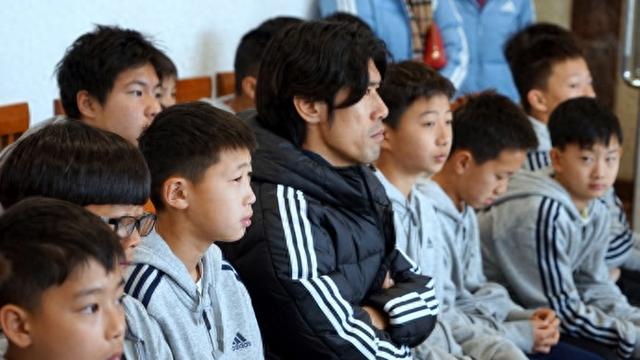
Core Viewpoint - The U23 Chinese men's football team, having achieved a historic runner-up position in the Asian Cup, expresses hope that future generations will surpass their achievements and fulfill unaccomplished dreams [1] Group 1: Player Insights - Players like Peng Xiao emphasize that the youth training in Chinese football is at a stage of significant development, with younger players benefiting from more scientific and comprehensive training methods [1] - Li Zhenquan acknowledges the substantial gap between the Chinese team and their opponents, particularly Japan, highlighting that this gap is not merely about effort but is rooted in consistent training and tactical development [1] - The players express a desire to inspire young athletes through their performance in the Asian Cup, encouraging greater participation in Chinese football [1] Group 2: Future Aspirations - The team aims to use their Asian Cup experience to better understand the differences between themselves and stronger Asian teams, focusing on areas for improvement [1] - The upcoming Asian Games are viewed as an opportunity to build on their recent achievements and strive for further progress [1] - The event where the players interacted with fans was themed "Let Opponents Fear the Future," reflecting a commitment to growth and contribution to Chinese football [1]
“替我们完成没有完成的梦想”——中国U23男足激励下一代球员
Xin Hua She· 2026-01-27 12:23
Core Viewpoint - The Chinese U23 men's football team, having achieved a historic runner-up position in the Asian Cup, expresses hope that future generations will surpass their achievements and fulfill unaccomplished dreams [1] Group 1: Player Insights - Players emphasize the importance of youth training, stating that the current generation of young players is experiencing a more scientific and comprehensive training approach [1] - One player, 彭啸, encourages young athletes to persist in their efforts, suggesting that they could become the next stars of Chinese football [1] - Another player, 李镇全, reflects on the significant gap between the Chinese team and their Japanese opponents, attributing it to accumulated training and tactical skills over time [1] Group 2: Future Aspirations - The team aims to use their Asian Cup performance as a motivational tool for young players, encouraging greater participation in Chinese football [1] - 李镇全 mentions the need to identify and address the gaps between the Chinese team and stronger Asian teams in preparation for the upcoming Asian Games [1] - The event where the players interacted with fans was titled "Let Opponents Fear the Future," highlighting the team's commitment to growth and improvement [1]
亚军背后,是明亮的晨曦
Xin Lang Cai Jing· 2026-01-25 22:24
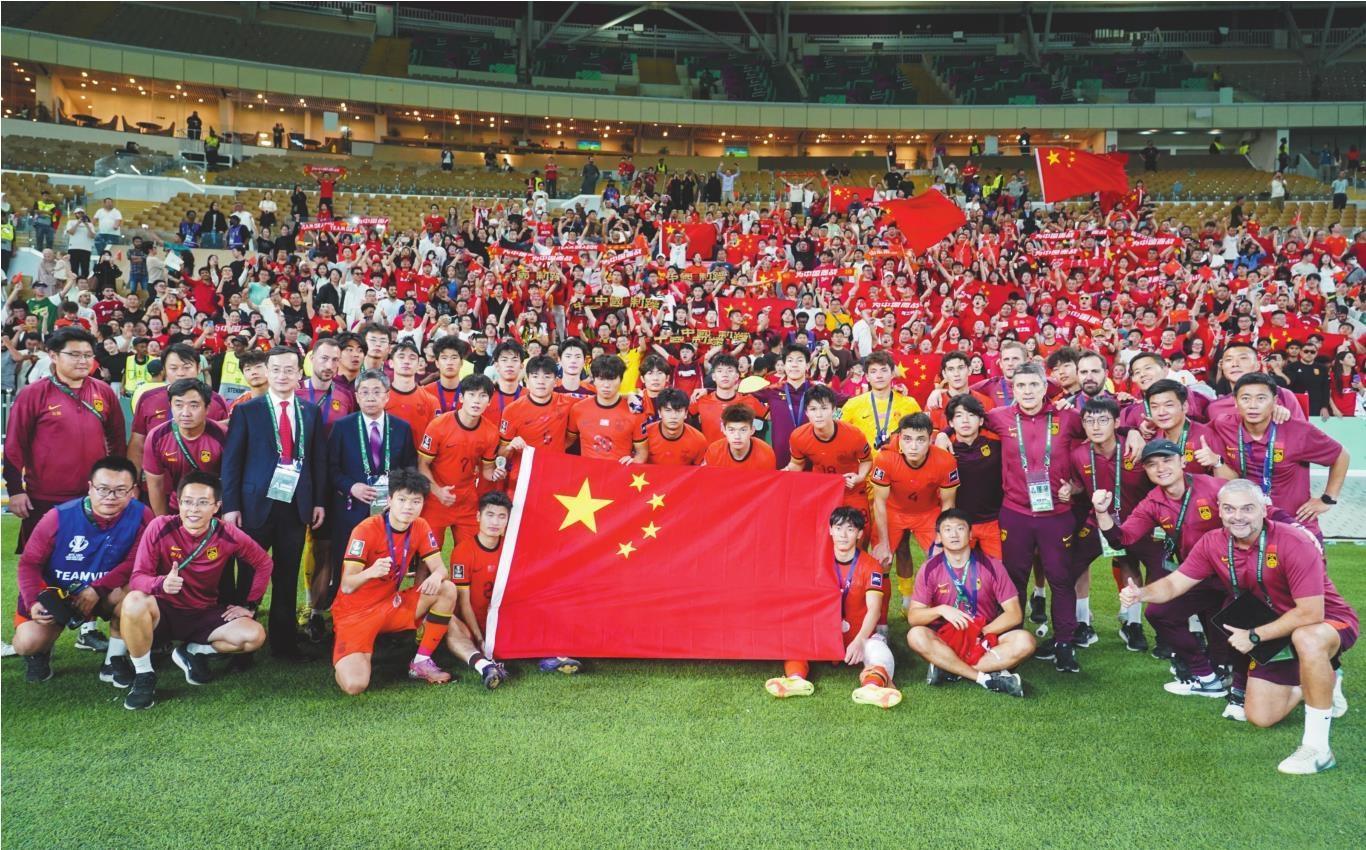
Core Viewpoint - The Chinese U23 men's football team achieved a historic runner-up position in the U23 Asian Cup, sparking mixed reactions regarding progress and ongoing challenges in Chinese football [4][8]. Group 1: Performance and Achievements - The Chinese U23 team, competing as a fourth-seed, demonstrated significant progress by reaching the finals for the first time in history, marking a notable achievement for Chinese football [5]. - Throughout the tournament, the team maintained a strong defensive record, not conceding any goals in five matches, with goalkeeper Li Hao setting a record with 28 successful saves [5]. - The team’s journey included two wins and one draw in the group stage, a penalty shootout victory over Uzbekistan in the quarter-finals, and a decisive win against Vietnam in the semi-finals [5]. Group 2: Criticism and Challenges - Despite the runner-up finish, the team faced criticism for its performance in the final, losing 0-4 to Japan, highlighting issues such as technical deficiencies and tactical disorganization [6]. - Observers noted that the Japanese team, composed of younger players, outperformed China in terms of speed, technique, and overall game control [6]. - The disparity in football philosophy and youth training foundations between China and Japan was emphasized, indicating a need for improvement in technical skills and teamwork among Chinese players [6]. Group 3: Future Directions and Youth Development - The Chinese Football Association (CFA) has acknowledged the need for a long-term commitment to youth training, with a reported 24.88% increase in registered youth players over the past two years, totaling 109,200 [7]. - The establishment of the National Football Youth Training Center and the implementation of a five-tier youth training system are steps being taken to enhance the development of young talent [7]. - The recent achievements of U16, U18, U20 men's teams, and U17 women's teams reflect the positive impact of these youth training initiatives [7]. Group 4: Conclusion and Outlook - The 0-4 loss serves as a reminder of the existing gaps, while the runner-up position is seen as a starting point for future progress in Chinese football [8]. - The focus on solidifying youth training and improving league structures is viewed as essential for the long-term revival of Chinese football [8].
触底反弹,中国足球的春天已不远
Xin Lang Cai Jing· 2026-01-25 16:12
Group 1 - The Chinese U23 national football team achieved its best result since the 2004 Asian Cup by finishing as runners-up in the U23 Asian Cup, despite losing 4-0 to Japan in the final, which has sparked new hope for the revival of Chinese football [1] - The increase in youth player registrations by 24.88% over the past two years, reaching 109,200, indicates a significant improvement in the youth training system, which is now more comprehensive and covers the entire country [3] - The Chinese Football Association (CFA) has shifted its focus from relying on foreign players and coaches to nurturing young talent, with new policies encouraging clubs to develop their own youth players, including a requirement for each team to register at least five U21 players each season [3][4] Group 2 - The upcoming merger of the U21 league with the U19 group to create a new U20 league starting from the 2026 season is expected to further enhance the trend of clubs prioritizing U21 players during transfer windows [4] - The establishment of the National Football Youth Training Center and the issuance of guidelines for building youth training centers at various administrative levels aim to create a multi-faceted and collaborative youth training ecosystem [5] - The U23 Asian Cup serves as a qualifier for the Olympics, and the success of the Chinese team in reaching the finals may improve their chances of being seeded in future tournaments, thus increasing their likelihood of qualifying for the Olympics [8]
昂首创造历史,低头看清差距|荔枝时评
Xin Lang Cai Jing· 2026-01-25 11:03
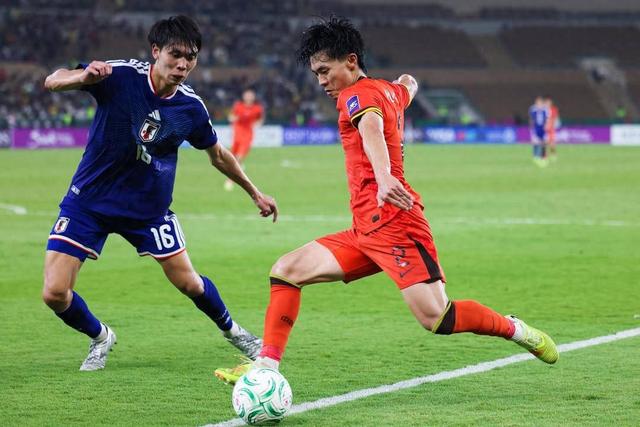
Group 1 - The core viewpoint of the article highlights the significant gap between the Chinese U23 football team and top Asian teams, as evidenced by their 0:4 loss to Japan in the Asian Cup [1][3] - The Chinese team's defensive strategy, which had previously shown promise, failed during the match, leading to a lack of effective defense and multiple scoring opportunities for Japan [3][4] - The head coach Antonio emphasized the importance of learning from losses, while football legend Fan Zhiyi noted the need for the team to understand the match and improve through high-level competition [3][4] Group 2 - The article suggests that the focus should not solely be on tactical choices but rather on recognizing the shortcomings in the team's ability to read the game and execute details effectively [4][5] - The U23 team has made significant progress by reaching the finals of an Asian tournament for the first time in 22 years, indicating improvements in youth training and the development of national teams [5][7] - The loss is seen as a valuable learning experience for the players, with the potential for future teams to build on these lessons and improve [5][7]
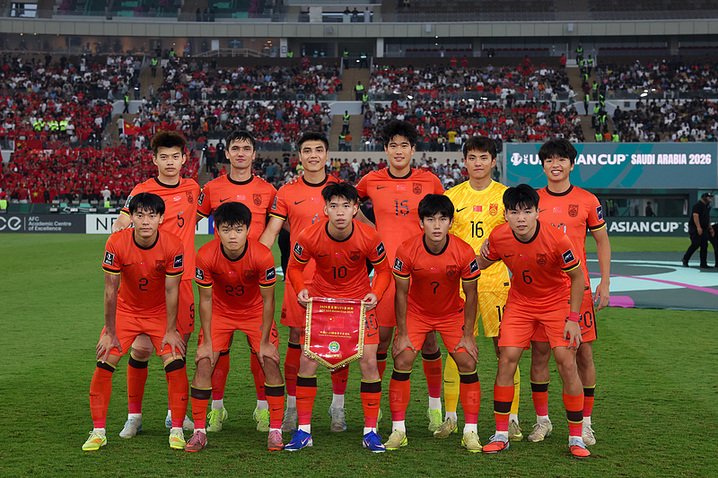
决赛输了但“卷土重来尚可期”
Xin Lang Cai Jing· 2026-01-25 09:01
Group 1 - The U23 national football team of China reached the finals of the U23 Asian Cup, marking a significant improvement from not advancing past the group stage in the past five tournaments, ultimately finishing as runners-up [2] - Coach Antonio, who has been leading the national youth teams since 2018, has established a strong rapport with the players, contributing to their improved performance [2] - The captain Liu Haofan emphasized the importance of the team's understanding of the coach's strategies, which has been developed over time [2] Group 2 - The U23 national team has seen a significant enhancement in player capabilities and numbers, with over 80% of the 27-player training squad having stable appearances in the Chinese Super League [3] - The introduction of the U21 policy by the Chinese Football Association has allowed many young players to participate in both the Chinese Super League and the China League Two, accelerating their development [3] - Statistics show a 96.8% increase in U21 players appearing in matches this season compared to the previous season, with total match appearances rising by 172.9% and total playing time increasing by 243.3% [3] Group 3 - As of 2025, the number of registered youth football players in China reached 109,200, a 24.88% increase over the previous two years, while the total number of amateur players reached 980,000, a 95% increase from 2024 [4] - The growth in youth football registration, particularly in key cities like Shanghai, is a crucial foundation for the U23 team's recent success [4] - The article stresses that while the U23 team's performance is promising, it does not signify a complete resurgence of Chinese football, which requires systemic reforms across various dimensions for sustainable high-quality development [4]
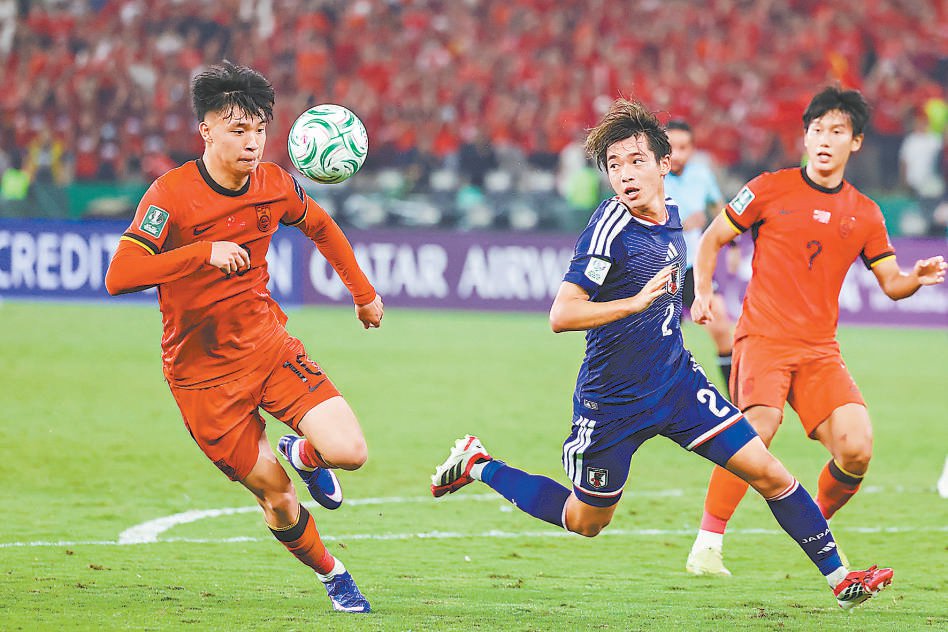
杨健:U23国足创队史最佳成绩,比0:4更值得深思的是0:5
Xin Lang Cai Jing· 2026-01-25 04:51
Core Viewpoint - The U23 Chinese national football team faced a significant defeat against Japan in the Asian Cup final, losing 0-4, marking their best performance in the tournament despite the loss [1]. Group 1: Match Analysis - The match highlighted the disparity in footballing strength between China and Japan, with the U23 team demonstrating their position within the competitive landscape of Asian youth football [1]. - Japan's U23 team, despite being a mix of players primarily from domestic leagues, effectively utilized high pressing and tactical discipline to dismantle the Chinese team's strategies [3][4]. - The Chinese team struggled with ball possession and failed to execute effective counterattacks, largely due to Japan's tactical fouls and defensive strategies [5]. Group 2: Player Development and Training - The U23 team's journey reflects a long-term commitment to youth training, with a significant focus on developing players through various academies, including Zhejiang Greentown and Evergrande Football School [8][9]. - The current U23 squad has a low player retention rate from initial training camps, indicating the challenges in developing a consistent talent pool [8]. - The success of the U23 team in the Asian Cup is attributed to the rigorous training and preparation, including 54 days of training and nine high-quality warm-up matches prior to the tournament [14]. Group 3: Future Outlook - The performance of the U23 team, despite the loss, has generated renewed interest and hope for the future of Chinese football, suggesting a potential turning point in the sport's development [16]. - The upcoming years are critical for the national team, with the 2026 World Cup on the horizon, providing an opportunity for growth and improvement [12]. - The U23 team's efforts have resonated positively with fans, indicating a shift in public perception and support for the national team [16].
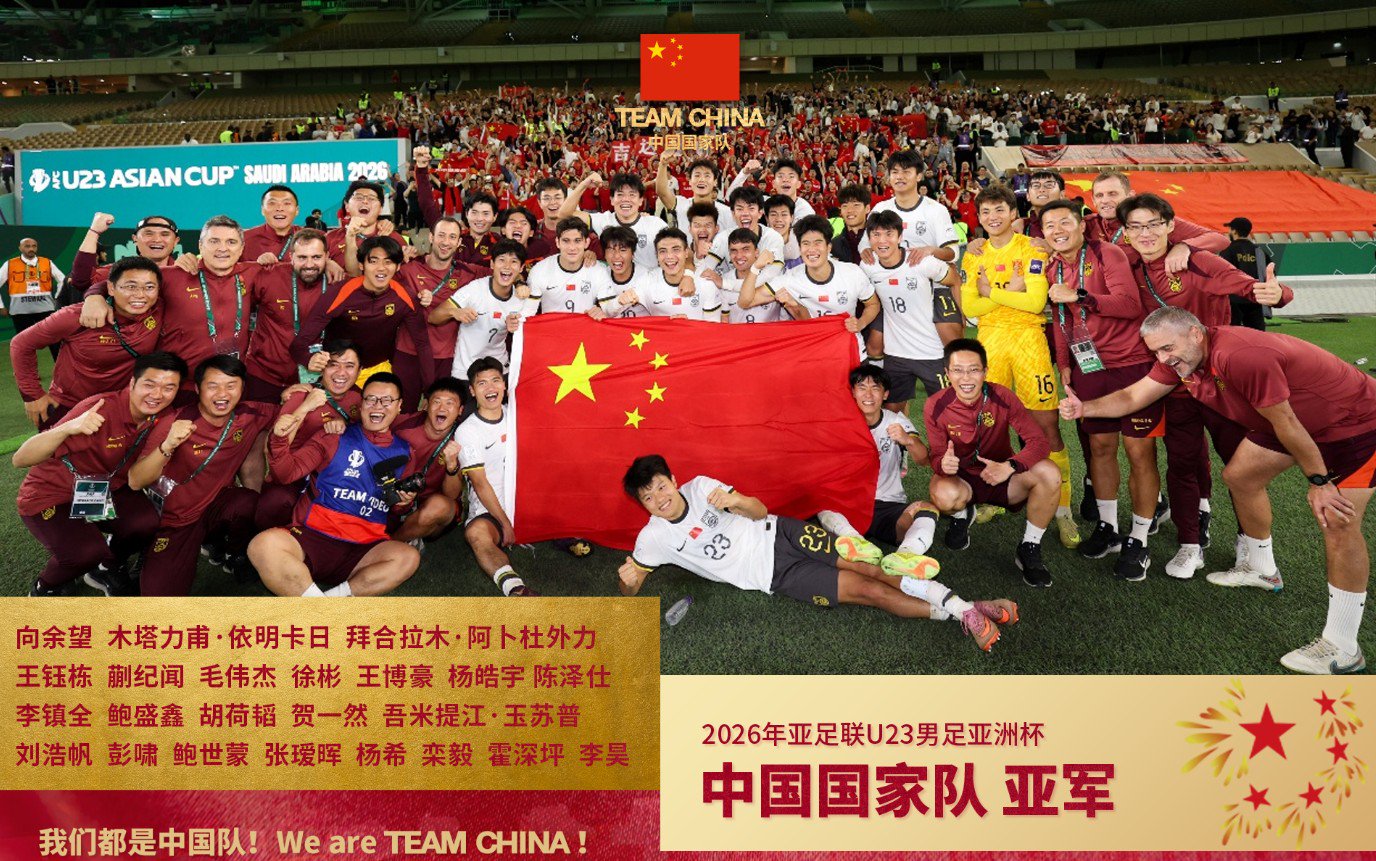
中国新闻网:U23国足无需为亚军道歉
Xin Lang Cai Jing· 2026-01-25 01:47
Core Viewpoint - The U23 Chinese national football team achieved a commendable runner-up position in the 2026 U23 Asian Cup, despite losing 0-4 to Japan in the final, which has brought renewed hope and excitement to Chinese football fans [1]. Group 1 - The U23 team’s journey has been inspiring, showcasing their determination and spirit throughout the tournament [1]. - Although the team did not win the championship, they have provided a morale boost to fans who continue to support Chinese football [1]. - The players, including Li Hao, Wang Yudong, and Bai Helamu, are expected to continue improving and will carry the mission of competing for the World Cup in the future [1]. Group 2 - The future of Chinese football remains challenging, with a strong emphasis on youth training as a primary task [1]. - The enthusiasm and effort displayed by young players are seen as a positive sign for the future of Chinese football [1].
解放军报社论:U23国足结束亚运之旅
Xin Lang Cai Jing· 2026-01-24 23:56
Core Viewpoint - The U23 Chinese national football team was unexpectedly eliminated in the first round of the knockout stage of the Asian Games, losing 3-4 to Saudi Arabia after a strong performance in the group stage [3][4][10]. Group 1: Match Performance - In the group stage, the U23 team scored 11 goals and conceded only 1, winning all three matches and advancing to the knockout stage as the best-performing team [3][4]. - Saudi Arabia's U21 team, which is two years younger than the Chinese team, had a lackluster group stage, finishing third with a record of 1 win, 1 draw, and 1 loss [3][4]. - The match against Saudi Arabia saw the U23 team fall behind 0-3 by halftime, with their defensive weaknesses exposed and their offensive tactics deemed too simplistic [4][10]. Group 2: Tactical Analysis - The U23 team's offensive strategy relied heavily on long passes to striker Zhang Yuning and the speed of winger Wei Shihao, lacking diversity in tactical approaches [4][10]. - Saudi Arabia's players utilized superior technical skills and teamwork, effectively pressuring the Chinese defense and capitalizing on turnovers to extend their lead to 4-0 [4][9]. Group 3: Historical Context and Future Implications - This defeat marks the fifth consecutive time the U23 team has been eliminated in the first round of the Asian Games since 2002 [4][9]. - The performance has sparked discussions regarding the U23 policy in the Chinese Super League, questioning the effectiveness of the current youth development strategies [10]. - The need for improved youth training and development is emphasized, as the team must cultivate exceptional young talent to achieve future success [5][10].