
中国足球改革

Search documents
让中国足球的底盘更加厚实(连线评论员)
Ren Min Ri Bao· 2026-02-12 23:38
Core Insights - The recent performance of the Chinese U23 national football team in the AFC U23 Asian Cup has reignited public expectations for Chinese football, showcasing a promising future with players born between 2003 and 2006 [1][2] - The enthusiasm generated by these young players highlights the importance of grassroots sports events, which can significantly contribute to the development of professional football in China [1][2] Group 1: Youth Development and Grassroots Sports - The growth of youth registered players in China has increased by 24.88% over the past two years, reaching 109,200, indicating a strengthening foundation for Chinese football [3] - Grassroots sports events are essential for building a robust football culture and inspiring more children to pursue football, which is seen as the hope for the future of Chinese football [2][3] Group 2: Football Reform and Governance - The establishment of the National Football Youth Training Center by the end of 2025 marks a significant step in the ongoing football reforms in China, aligning with the development timeline of the current U23 players [2][3] - Over the past decade, significant reforms have been implemented to address issues such as corruption and mismanagement in Chinese football, leading to improved attendance and a healthier competitive environment [2][3] Group 3: Future Outlook - The U23 team's success serves as a motivational boost, but sustainable progress in Chinese football requires adherence to established principles and a long-term vision [4] - The focus should be on leveraging a new national system that integrates education and sports, aiming to build a comprehensive and high-quality football talent system [4]
【声音】每天都收获一点,国足也能“过年”
Xin Lang Cai Jing· 2026-01-27 21:05
Core Viewpoint - The U23 national football team of China has shown significant improvement, changing the perception of Chinese football and instilling confidence among fans, despite historical challenges and setbacks [1][2]. Group 1: Team Performance and Image Change - The U23 national team reached the finals of the Asian Cup, marking a notable achievement that has shifted public sentiment from skepticism to support [2]. - The team's success is attributed to effective coaching, thorough preparation, and the players' determination, but more importantly, they represent the first generation of players developed under the 2015 "Overall Plan for the Reform and Development of Chinese Football" [2][3]. - The U23 team consists of players aged 17 to 20, including local training stars and those returning from overseas, showcasing a blend of talent and experience [2]. Group 2: Coaching and Training - Coach Antonio emphasized the importance of consistent training and teamwork over a 50-day preparation period, highlighting the dedication of both players and coaching staff [3]. - Goalkeeper Li Hao's nine-year overseas experience reflects the long-term commitment and resilience required for success in football, illustrating the broader challenges faced by Chinese football [3]. Group 3: Future Prospects - The ongoing development of youth football programs, such as "City Super," "Village Super," and "Professional Super," indicates a growing foundation for the future of Chinese football [4]. - The gradual improvement and visibility of the U23 team serve as a beacon of hope, suggesting that Chinese football is beginning to shine and can inspire younger players [4].
被看见的U23,中国足球新起点?
Xin Lang Cai Jing· 2026-01-25 12:05
Group 1: Match Performance and Fan Engagement - The Chinese U23 men's football team reached the finals of the 2026 AFC U23 Asian Cup, marking their first appearance in an international final in 22 years, ultimately finishing as runners-up after losing 0:4 to Japan [2][3] - Fans demonstrated strong solidarity, with many traveling from various countries to support the team, highlighting the emotional connection and commitment of Chinese football fans [1][2] - The performance of the U23 team was noted as commendable, with players showing a clear understanding of the coach's tactical intentions, attributed to their growth environment and exposure to foreign coaching methods [3] Group 2: Youth Development and Training Systems - The current U23 team is seen as a product of years of investment in youth training systems, with many players having participated in various national youth teams [3][5] - The growth of youth players is linked to the implementation of the 2015 "Overall Plan for the Reform and Development of Chinese Football," which has led to a significant increase in youth participation in football [5][11] - There is a noted disparity in the development paths available for young players in China compared to Japan, where a dual system of club and school football provides more opportunities for player development [6][7][8] Group 3: Future Plans and Initiatives - The Chinese Football Association plans to enhance the youth training system by increasing the number of registered youth players and organizing more competitions, with a reported 24.88% increase in registered youth players to 109,200 by 2025 [11][12] - Initiatives for 2026 include optimizing national youth winter training, improving the "study while training" pathway, and expanding overseas training opportunities [12] - The association aims to train an additional 18,000 certified coaches to support the development of elite youth training programs [12]

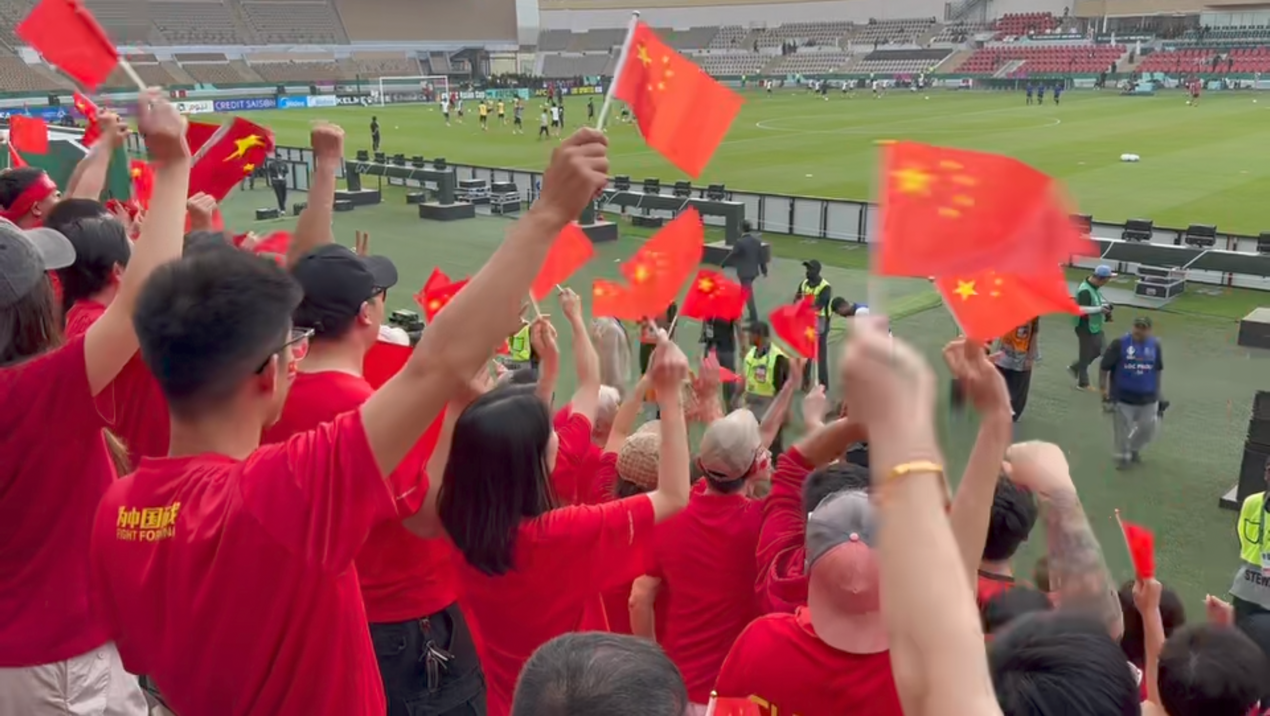
昂首创造历史,低头看清差距|荔枝时评
Xin Lang Cai Jing· 2026-01-25 11:03
Group 1 - The core viewpoint of the article highlights the significant gap between the Chinese U23 football team and top Asian teams, as evidenced by their 0:4 loss to Japan in the Asian Cup [1][3] - The Chinese team's defensive strategy, which had previously shown promise, failed during the match, leading to a lack of effective defense and multiple scoring opportunities for Japan [3][4] - The head coach Antonio emphasized the importance of learning from losses, while football legend Fan Zhiyi noted the need for the team to understand the match and improve through high-level competition [3][4] Group 2 - The article suggests that the focus should not solely be on tactical choices but rather on recognizing the shortcomings in the team's ability to read the game and execute details effectively [4][5] - The U23 team has made significant progress by reaching the finals of an Asian tournament for the first time in 22 years, indicating improvements in youth training and the development of national teams [5][7] - The loss is seen as a valuable learning experience for the players, with the potential for future teams to build on these lessons and improve [5][7]
坚持走下去,相信中国足球的明天会更好
Xin Lang Cai Jing· 2026-01-24 19:37
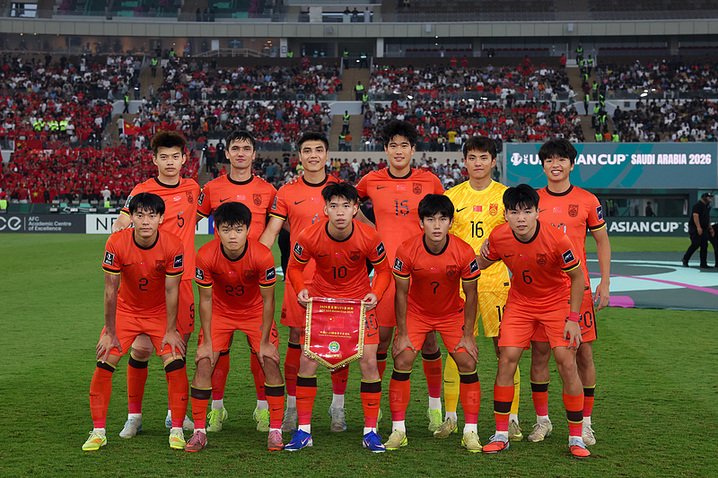
Group 1 - The U23 Chinese men's football team achieved a historic runner-up position in the Asian Cup, despite losing 0-4 to Japan in the final, showcasing their resilience and determination throughout the tournament [1] - The team's journey from being an underdog to reaching the finals with zero goals conceded highlights the effectiveness of the youth training system developed over the past decade [1] - Former football player Fan Zhiyi emphasized that this achievement is a starting point for the team, suggesting that they will be key players in the upcoming World Cup in four years [1] Group 2 - The success of the current U23 players is attributed to the improved youth training system established by the Chinese government, which aims to create a dual-track mechanism for football development from schools to professional levels [2] - The players' backgrounds reveal that they have not relied on overseas training but have developed through domestic training programs, indicating that a clear path and scientific training can yield successful outcomes [2] - The ongoing reforms in Chinese football, including anti-corruption measures and increased transparency, are creating a fairer selection environment for young players, which is essential for their growth [3] Group 3 - While the runner-up finish is commendable, it is important to recognize that there remains a significant gap between Chinese football and the advanced levels of world football, necessitating continued foundational work and long-term commitment [3] - The resurgence of the U23 team has renewed public confidence in the direction of Chinese football reforms, suggesting that persistence along the right path will lead to a brighter future for the sport in China [3]
计划有变!准备夺冠!
Xin Lang Cai Jing· 2026-01-21 17:29
Core Viewpoint - The U23 Chinese national football team has reached the Asian Cup finals, marking a significant breakthrough after years of disappointment, igniting hope among fans and showcasing the potential for a positive transformation in Chinese football [1][2]. Group 1: Historical Context and Recent Achievements - The U23 team has historically struggled in the Asian Cup, finishing last in three out of five previous tournaments since its inception in 2014 and never advancing to the knockout stage [1]. - This year, the team has achieved a remarkable feat by winning all five matches without conceding a goal, culminating in a decisive semifinal victory [1]. Group 2: Psychological and Strategic Implications - The recent success is expected to fundamentally change the mindset of the players, transforming past failures into newfound confidence, which is crucial for future reforms in Chinese football [2]. - The team's performance, characterized by tenacity and tactical discipline, demonstrates that determination can lead to success even when technical superiority is lacking [3]. Group 3: Coaching and Tactical Philosophy - Head coach Antonio's conservative yet effective tactical approach has been a subject of debate, focusing on defense and counter-attacks rather than the traditional possession-based style [4]. - His strategies, tailored to the players' capabilities, have proven effective, particularly in the semifinal against Vietnam, showcasing his tactical acumen [4]. Group 4: Youth Development and Future Prospects - The current U23 squad is primarily composed of players born between 2003 and 2006, representing the first generation to benefit from the strategic emphasis on youth training established in the 2015 reform plan [6]. - The successful integration of players from various training backgrounds, including local academies and international experiences, highlights the importance of a robust youth development system [6]. Group 5: Upcoming Challenges and Fan Engagement - The team is set to face Japan in the finals, a match that has rekindled excitement among fans, regardless of the outcome, emphasizing the joy and passion of football [7].
中国足球,将胜利进行到底!
Xin Lang Cai Jing· 2026-01-21 16:27
Group 1 - The U23 national football team of China has reached the finals of the Asian Cup, marking a significant achievement after years of disappointment, igniting hope among fans [1][2] - This breakthrough reflects a potential shift in the long-standing negative cycle of Chinese football, with recent grassroots movements and structural reforms beginning to take effect [2][5] - The team's success is attributed to their strong defensive performance, having not conceded any goals throughout the tournament, showcasing resilience and determination [1][3] Group 2 - The pragmatic coaching approach of head coach Antonio, focusing on defense and effective counterattacks, has been crucial in adapting to the players' current skill levels [4][5] - The U23 team is composed of players developed under the strategic emphasis on youth training initiated in 2015, representing the first generation of this initiative [6][7] - Despite the historic achievement, it is noted that the competition faced was not at full strength, indicating that further challenges are necessary to establish China's true position in Asian football [7]
国足沉浮与“城超”燎原
Xin Lang Cai Jing· 2025-12-24 16:48
Core Insights - The article highlights the contrasting fortunes of Chinese football, with the national teams struggling while grassroots leagues like the "Su Super League" thrive, indicating a potential shift in the football landscape in China [1][5][6] National Team Struggles - The Chinese men's national football team faced a disappointing performance in the World Cup qualifiers, losing to Saudi Arabia, Australia, and Indonesia, ultimately failing to qualify for the World Cup [2] - The women's national team also experienced setbacks in friendly matches, including a significant loss to England [2] - Coaching changes occurred following these failures, with Ivan Kovačević leaving the men's team and Shao Jiayi taking over, while the future of the women's coach remains uncertain [2] Youth Team Performance - In contrast to the senior teams, youth national teams showed promise, with the U20 men's team narrowly missing out on the World Cup and the U17 women's team making history by reaching the knockout stage of the U17 Women's World Cup [3][4] - The improvement in youth teams is attributed to the development of grassroots football and youth training systems established since the 2015 reform plan [3] Grassroots Football Surge - The "Su Super League" emerged as a significant phenomenon in 2025, attracting over 2.43 million live spectators and over 2 billion online views, becoming a cultural and sporting success [5][6] - Other regional leagues like "Gan Super" and "Xiang Super" have also gained popularity, indicating a nationwide growth in grassroots football [5] Reform and Development - The Chinese government is focusing on football reforms, emphasizing the importance of football in building a strong sports nation and enhancing international influence [8][9] - Key reforms include the establishment of the Chinese Football Professional League and the National Football Youth Training Center, aimed at improving the structure and quality of football in China [10][11] - The reforms are designed to create a sustainable football ecosystem that supports both professional and grassroots levels, ensuring a holistic approach to football development [10][11]