乐器改良

Search documents
走过三千年,这一冷门乐器有了“热”价值
Xin Lang Cai Jing· 2026-02-17 03:55
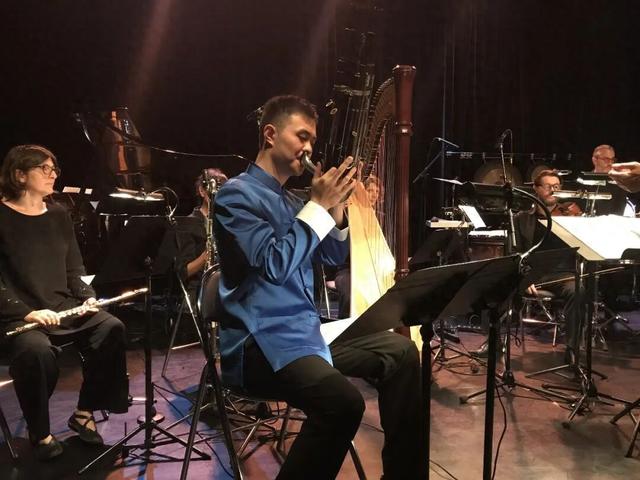
Core Viewpoint - The sheng, a traditional Chinese musical instrument with a history of approximately 3,000 years, is underappreciated in modern society despite its rich cultural significance and unique sound characteristics [2]. Group 1: Historical and Cultural Significance - The sheng is referred to as a "living fossil of three thousand years of ritual and music civilization" and "the ancestor of free reed instruments" [2]. - It has evolved from traditional forms to modern versions, with significant improvements in sound range, volume, and timbre, including the development of 21 to 37 reed configurations [3]. Group 2: Modern Transformation and Popularity - Since its debut in solo performances in 1956, the sheng has gained recognition, with composers creating a diverse repertoire of solo and ensemble works [3]. - The instrument has attracted the attention of contemporary composers, leading to the creation of numerous new pieces that incorporate the sheng into various musical genres [4]. Group 3: Role in Ensemble Settings - The sheng serves as a "glue" and "tuner" in orchestras, providing harmonic foundations and enhancing the overall sound blend of ensembles [5]. - Its ability to produce sustained tones and harmonies makes it indispensable in modern orchestral arrangements, contributing to the richness of sound [5]. Group 4: Technical Challenges and Performance - The sheng's sound quality can be affected by various factors, requiring performers to continuously adjust and maintain the instrument for optimal performance [6]. - The complexity of transitioning between harmonies in ensemble settings poses significant challenges for sheng players, necessitating extensive practice and experience [6]. Group 5: Potential for Artistic Expression - The sheng has not yet achieved a unified form among its various types, which complicates communication and collaboration within the musical community [7]. - There is a wealth of untapped expressive potential in the sheng's unique techniques, which could enhance its role beyond mere harmonic support in contemporary compositions [8]. Group 6: Future Development - The sheng's contemporary value remains to be fully explored, with opportunities for composers and performers to collaborate in expanding its expressive capabilities [8].