五四爱情

Search documents
许子东 X 毛尖:爱是好的,否则,钱是要紧的|播客
Xin Lang Cai Jing· 2026-01-05 04:16
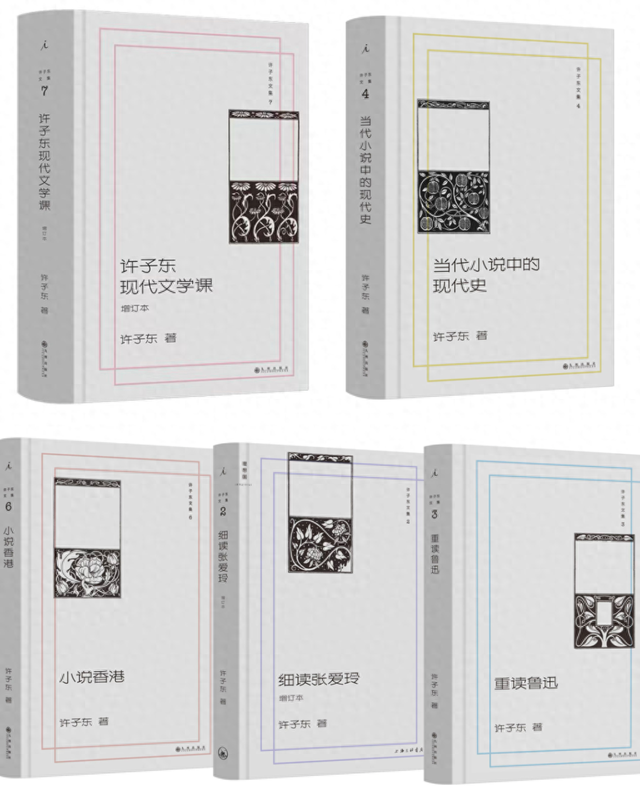
Group 1 - The core observation is that while the quality of campus life has improved, the number of students engaging in romantic relationships has significantly decreased, with many preferring virtual interactions with AI over traditional relationships [1][24] - The discussion highlights a shift in romantic dynamics, with new relationship forms like "situationships" emerging, reflecting a blend of traditional emotional structures and modern complexities [1][2] - The upcoming publications, including Xu Zidong's "Xu Zidong Collection" and Mao Jian's revised edition of "A Inch of Ash," explore the historical evolution of love, emphasizing the intertwining of love and money throughout Chinese literary history [2][8] Group 2 - The podcast features a dialogue between Xu Zidong and Mao Jian, discussing the characteristics of love in Shanghai and Hong Kong, emphasizing the cultural nuances and the role of food in romantic relationships [4][11] - The conversation touches on the decline of traditional love narratives in contemporary Chinese cinema, with a notable drop in the production and box office success of romance films over the past decade [16][19] - The emergence of new literature addressing love and relationships reflects a societal response to the perceived crisis in romantic connections, indicating a shift towards exploring love's complexities in modern contexts [19][20] Group 3 - The concept of "situationships" is introduced as a modern relationship dynamic that lacks commitment, allowing individuals to navigate romantic interactions without the pressures of traditional expectations [32][37] - The discussion critiques the historical context of love in Chinese literature, contrasting the revolutionary aspects of love during the May Fourth Movement with the ongoing challenges faced by women in romantic relationships [33][36] - The role of money in love narratives is examined, with authors like Zhang Ailing and Austen highlighting the economic dimensions of relationships, suggesting that financial considerations have always been integral to romantic dynamics [44][50]