交通精细化管理

Search documents
人流车流密度高,上海黄浦如何实现交通精细化管理?
Xin Lang Cai Jing· 2026-01-31 11:13
Core Insights - The event "Face-to-Face with District Mayor and NPC Representatives" in Huangpu District has been held for ten consecutive years, allowing representatives to address local issues and reflect public concerns [1] - Huangpu District's transportation management is a key focus, especially during peak times when congestion occurs due to high pedestrian and vehicle traffic [1][3] Group 1: Transportation Management - Huangpu District experiences high traffic density, with an average daily vehicle flow of 442,000 and 45,000 shared bicycles, ranking first in the city [3] - During holidays, the district sees over 2 million visitors, leading to significant congestion at major attractions and commercial areas [3] - The district has a high proportion of narrow roads, with 165 one-way motor vehicle lanes making up 36% of total roads, and 80 roads under 3.5 meters wide accounting for 17.4% [3] Group 2: Traffic Improvement Measures - The local police department is implementing collaborative measures and leveraging technology to enhance traffic management, including addressing issues with delivery vehicles and shared bicycles [4] - A joint mechanism has been established to manage shared bicycles, involving frequent patrols and immediate road clearing when obstructions are detected [4] - A traffic congestion model utilizing big data and AI has been developed, which has already issued over 61,000 alerts since its trial run began in August, leading to an 8.9% decrease in traffic-related incidents [5]

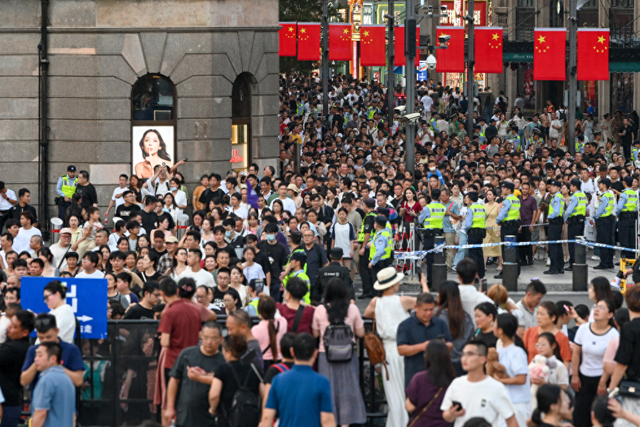
合肥市28处下穿桥标线“实改虚”
Xin Lang Cai Jing· 2026-01-15 16:20
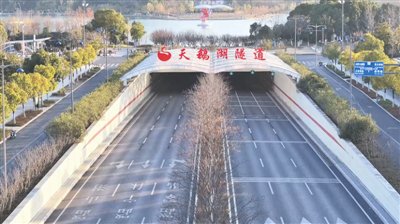
Core Insights - The article discusses the implementation of a refined traffic management initiative in Hefei, where solid lines on underpass roads have been changed to dashed lines to improve driving experience and traffic flow efficiency [2] Group 1: Traffic Management Initiative - Hefei's traffic management department has introduced a "solid to dashed" line optimization for underpass roads, aimed at enhancing road resource utilization and alleviating traffic congestion [2] - The initiative is based on a scientific analysis of lane functions and traffic flow, allowing for dynamic adjustments to road markings while ensuring safety [2] - The optimization has been completed at 28 underpass locations across the city, with specific adjustments made to accommodate safe lane changes [2] Group 2: Impact on Traffic Efficiency - Following the "solid to dashed" optimization, the average traffic efficiency during peak hours on the relevant underpass segments has improved by approximately 12% [3]