
产业生态共同体

Search documents
沈阳链动产业生态助力沐浴产业高质量发展
Zhong Guo Xin Wen Wang· 2026-01-14 11:44
Core Viewpoint - The establishment of the Shenyang Bathing Industry Chain Supply Chain Professional Committee aims to enhance the high-quality development of the bathing industry in Shenyang, promoting internal collaboration and supply chain optimization [1][2]. Group 1: Industry Development - The bathing industry is a crucial part of Shenyang's modern service sector, fulfilling quality life demands and invigorating consumer market vitality [2]. - The industry has been growing in scale and service richness, becoming a significant force in showcasing urban consumption appeal and driving service sector transformation [2]. - The new committee will cover key areas such as furniture supply, enterprise management, tax compliance, smart control systems, and environmental operations, creating a comprehensive service platform [2]. Group 2: Talent Development - The Shenyang Bathing Industry Association was awarded the "Shenyang Bathing Master" labor brand, marking its official recognition [3]. - The association plans to collaborate with Shenyang Vocational Technical College to promote vocational skills training and certification, expanding the professional talent pool and enhancing workforce quality [3]. Group 3: Government Support - The Shenyang Commerce Bureau will continue to strengthen its support and guidance for industry development, focusing on building an "ecological community" for the bathing industry [3][4]. - The goal is to break down barriers between upstream and downstream sectors, achieving precise supply-demand matching and facilitating steady progress in high-quality development [4].


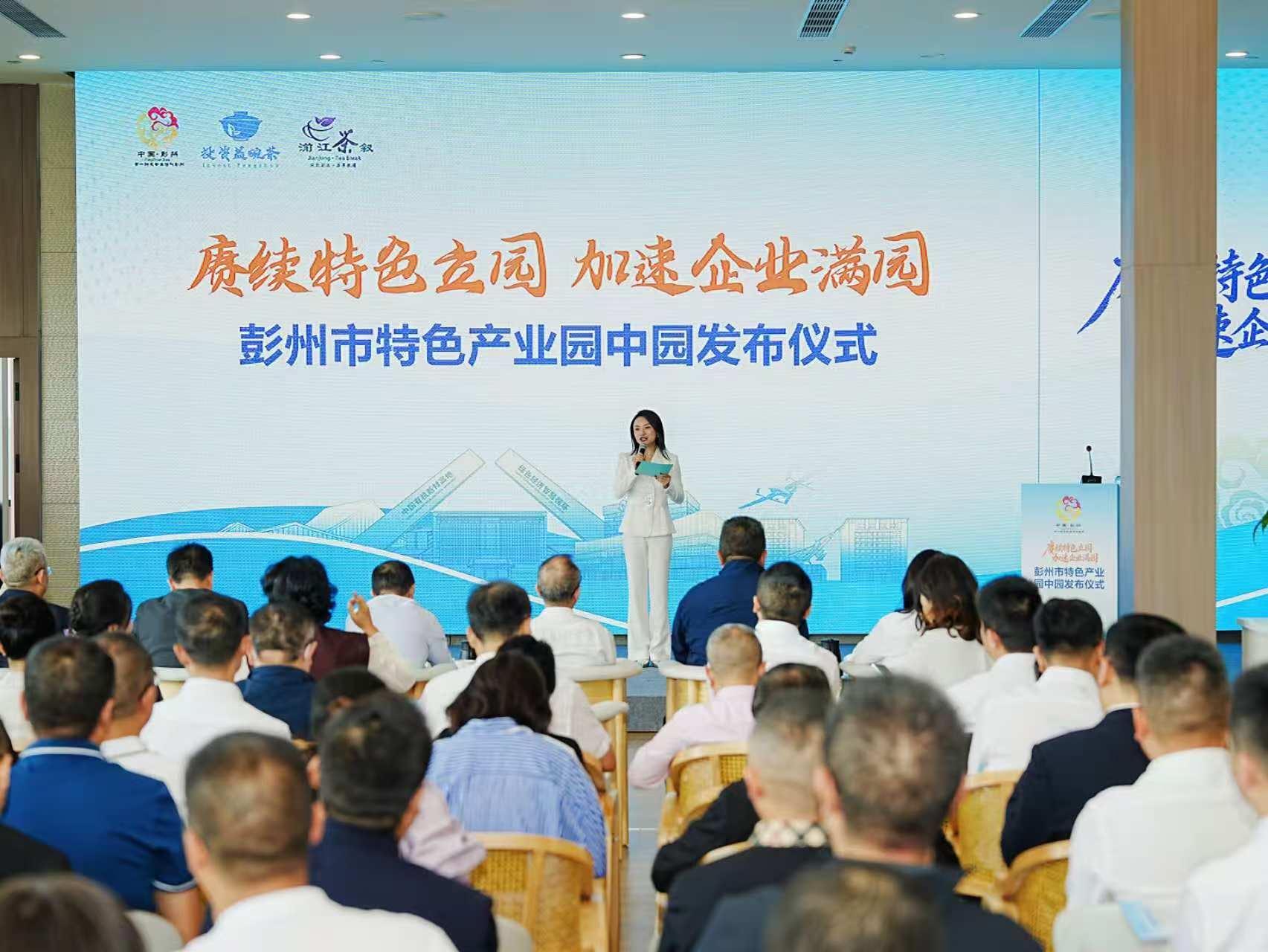
打造“企业共生、产业共荣”生态体系 成都彭州市特色产业园中园正式发布
Mei Ri Jing Ji Xin Wen· 2025-10-13 21:29
Core Insights - The launch of the Chengdu Pengzhou characteristic industrial park marks a significant step towards the establishment of an "industrial cluster" in the region [1][3] - The park will feature a "three-tier progressive" system with 22 "main direction parks," 40 "vertical track parks," and a focus on "flagship product parks" [1][2] - The initiative aims to create an "industrial ecological community" that supports enterprise growth and attracts quality resources [1][2][3] Group 1 - The characteristic industrial park is designed to achieve "one park, one main industry, one area, one feature" [1] - The park's development is supported by a signing ceremony for new entrants, an investment opportunity list, and a service center for enterprises [2] - The initiative is part of the "full park" action plan aimed at high-quality development of industrial parks in Chengdu [3] Group 2 - The "chain leader system" is being utilized to strengthen, extend, and supplement the "843" industrial chains in Pengzhou [3] - The focus is on creating specialized and refined industrial spaces to foster a symbiotic ecosystem for enterprises [3] - The initiative encourages businesses and entrepreneurs to engage with local policies and market opportunities [3]
建材商抢占海外基建热机遇,出海模式从卖产品迈向资本化
Di Yi Cai Jing· 2025-06-17 04:48
Core Viewpoint - The Chinese building materials industry is facing declining domestic demand but is finding new opportunities in international markets, particularly in Australia and the Middle East, due to its competitive advantages in cost and technology [2][3]. Group 1: Market Opportunities - The Australian housing market has a shortage of over 300,000 units, with local material costs rising by 23% year-on-year, making Chinese high-cost performance materials an attractive option [2]. - Middle Eastern countries like Saudi Arabia, Qatar, and the UAE are expected to invest over $1.5 trillion in infrastructure over the next decade, creating strong demand for high-end materials and green technologies [2]. Group 2: Industry Trends - 72% of large-scale building material companies are prioritizing Australia and the Middle East as key overseas markets in the next three years, shifting from simple product exports to a full industry chain layout that includes technology output and service implementation [3]. - The industry is transitioning towards high-end green building materials, responding to increasingly stringent global standards [5]. Group 3: Challenges Faced - 68% of surveyed companies cite insufficient localization capabilities as a primary obstacle, while 55% struggle with uncontrolled supply chain costs, and 49% face challenges related to financial risk management [4]. - Cross-border trade companies are under dual pressure from rising costs and cash flow issues, compounded by lengthy approval processes from domestic financial institutions and strict financing restrictions from local foreign banks [4]. Group 4: Strategic Recommendations - Companies are encouraged to enhance local cooperation, improve product quality, and innovate to adapt to local regulations and cultural differences [5]. - Establishing a "global procurement center" and an overseas service center could improve efficiency and facilitate better matching of supply and demand [6]. - The industry is moving towards a capitalized phase of internationalization, focusing on building partnerships through equity investments and agency cooperation [6].