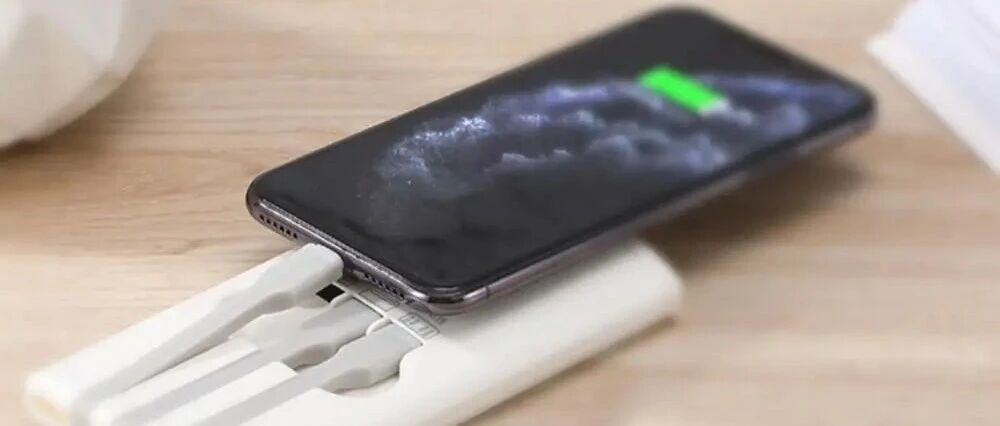
产品安全标准提升

Search documents
史上最严充电宝新规将落地 业内人士:成本或增20%-30%
2 1 Shi Ji Jing Ji Bao Dao· 2025-11-25 06:43
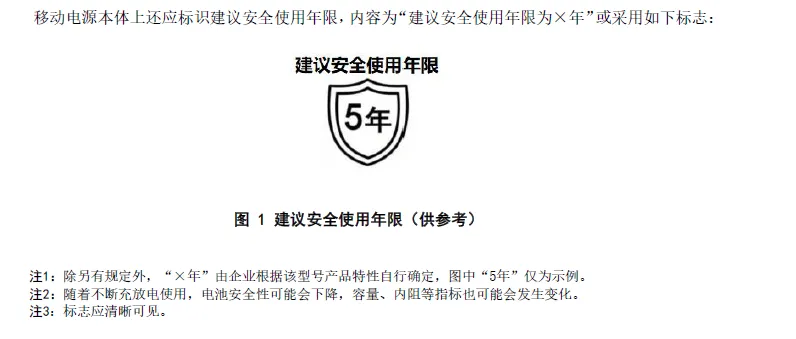
Core Points - The new national standard for mobile power safety, considered the "strictest ever," is set to be implemented 12 months after its release, organized by the Ministry of Industry and Information Technology [1] - The standard introduces significant requirements across three core areas: the whole device, battery cells, and circuit boards [1] Group 1: Device and Battery Safety - The new standard mandates clear labeling of "recommended lifespan" and the full name of the manufacturer on the device's exterior, enhancing accountability [1] - In the battery safety domain, the standard has intensified testing conditions, such as increasing the thermal abuse test from 130°C for 30 minutes to 135°C for 60 minutes, significantly improving safety under extreme conditions [2] Group 2: Circuit Board Innovations - The standard requires mobile power banks to include an LCD screen or a connected app to display real-time voltage and current information, ensuring better user awareness [2] - It also specifies that data flow must be one-way, allowing only the phone to read information from the power bank, thus enhancing safety and privacy [2] Group 3: Industry Impact and Cost - The implementation of the new standard is expected to increase overall industry costs by 20% to 30%, primarily due to higher procurement costs for quality battery cells and hardware upgrades for circuit boards [3] - The new regulations are anticipated to accelerate the elimination of low-quality products from the market, pushing the industry towards higher concentration among leading companies with advanced technology and quality [2][3]

史上最严充电宝新规将落地,业内人士:成本或增20%-30%
21世纪经济报道· 2025-11-25 06:41
Core Viewpoint - The new national standard for mobile power safety, considered the "strictest ever," is set to be implemented within 12 months, aiming to enhance safety and accountability in the industry [1]. Group 1: New Standards and Requirements - The new standard introduces significant requirements across three core areas: the whole device, battery cells, and circuit boards [1]. - For the whole device, it mandates clear labeling of "recommended lifespan" and the full name of the OEM, enhancing production responsibility traceability [1]. - In the battery cell safety domain, the standard imposes stricter testing conditions, including an increase in the thermal abuse test from 130°C for 30 minutes to 135°C for 60 minutes, significantly improving safety performance under extreme conditions [2]. Group 2: Innovations in Design and Consumer Impact - The standard requires mobile power banks to be equipped with an LCD screen or a connected app to display real-time voltage and current information, ensuring safety and privacy by allowing only one-way data flow from the power bank to the phone [2]. - The implementation of the new standard is expected to increase overall industry costs by 20%-30%, primarily due to higher procurement costs for quality battery cells and hardware upgrades for circuit boards [3]. - Existing compliant power banks will remain usable after the new standard is implemented, and those with 3C certification will not face restrictions during air travel [5].