
京津冀协同立法

Search documents
京津冀协同立法 守护“北京母亲河”
Xin Lang Cai Jing· 2025-12-29 05:51
Core Viewpoint - The collaborative legislation for the protection of the Yongding River, involving Beijing, Tianjin, and Hebei, marks a significant step towards unified governance and ecological restoration of this vital waterway, set to take effect on January 1, 2026 [5][10][12]. Group 1: Legislative Framework - The three regions have passed their respective Yongding River protection regulations, establishing a legal framework for coordinated governance across the river basin [5][10]. - The regulations include chapters on regional collaboration, flood safety, ecological restoration, and cultural preservation, emphasizing the need for a unified approach to river management [8][12]. - The legislation aims to address historical challenges in river governance, such as water resource competition and pollution, by creating a unified water allocation system and collaborative monitoring mechanisms [11][12]. Group 2: Ecological and Cultural Significance - The Yongding River is crucial for the ecological health of the Beijing-Tianjin-Hebei region, serving as a key ecological corridor and cultural heritage site [6][10]. - The regulations highlight the importance of ecological restoration and cultural heritage protection, aiming to integrate environmental management with cultural resource preservation [14][15]. - Specific measures in the regulations reflect local characteristics, such as enhancing flood infrastructure in mountainous areas and promoting cultural tourism in Hebei [13][14]. Group 3: Implementation and Public Involvement - The legislative process involved extensive public consultation, gathering input from experts and citizens to refine the regulations [8][9]. - A four-tier river chief system has been established for daily management, ensuring clear accountability and effective oversight of the river's health [13]. - The collaborative effort is seen as a model for future regional governance, with the potential to enhance public engagement in environmental protection initiatives [15].

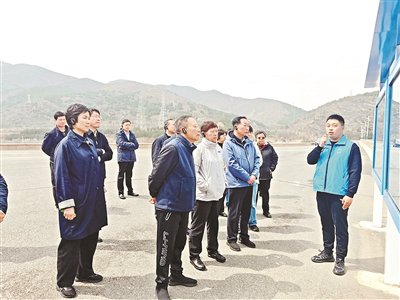
海河水利委员会积极助推京津冀协同立法 共筑永定河保护治理“法治堤坝”
Shui Li Bu Wang Zhan· 2025-12-09 07:10
Core Points - The Beijing, Tianjin, and Hebei provincial legislatures have passed the "Beijing Yongding River Protection Regulations," "Tianjin Yongding River Protection Regulations," and "Hebei Yongding River Protection Regulations," which will take effect on January 1, 2026, marking the first collaborative legislation for watershed management in the Beijing-Tianjin-Hebei region [1][2] - The Haihe Water Conservancy Committee, under the guidance of the Ministry of Water Resources, has played a significant role in the development of these regulations by adhering to the goals of unified planning, governance, scheduling, and management [1] - A collaborative platform has been established to foster consensus on watershed governance, involving water administrative departments from five provinces (regions, municipalities) and the Yongding River Investment Company [1] - The Haihe Water Conservancy Committee, in collaboration with the Ministry of Water Resources Development Research Center, has proposed 27 specific legislative suggestions focusing on key watershed management issues, providing important references for the drafting of the regulations [1] Legislative Process - A specialized meeting was organized among the legislative, judicial, and water administrative departments of the Beijing-Tianjin-Hebei region to analyze common issues in the management of the Yongding River watershed and discuss collaborative protection across various sectors [2] - The Haihe Water Conservancy Committee has actively reviewed and provided constructive feedback during the draft opinion solicitation phase, laying a solid foundation for the legislation [2] - Moving forward, the Haihe Water Conservancy Committee will continue to play a coordinating role in flood control engineering, ecological water replenishment scheduling, and will promote the implementation of the regulations to ensure water security for the coordinated development of the Beijing-Tianjin-Hebei region [2]