代理理论

Search documents
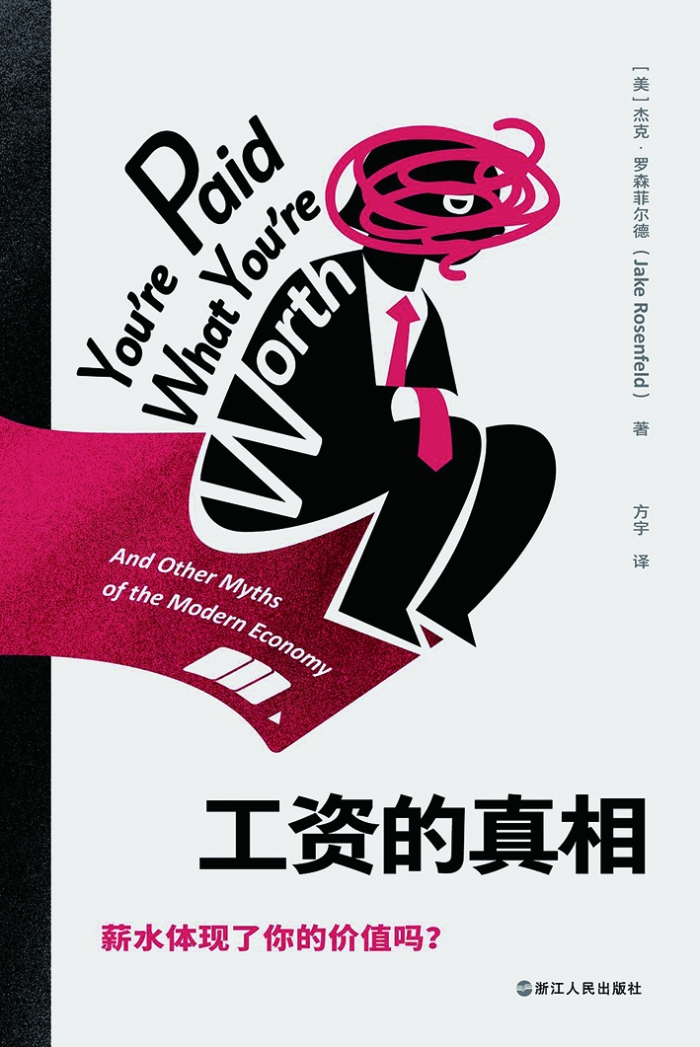
资本主导下的薪酬博弈 ——读《工资的真相》
Shang Hai Zheng Quan Bao· 2026-01-18 18:15
Core Argument - The key argument of the article is that the determination of wages for American workers is influenced more by a hidden system of power, inertia, imitation, and fairness perception rather than traditional metrics like performance or qualifications [2][3]. Group 1: Wage Determinants - The author identifies "power" as the ability to enforce will despite resistance, while "inertia" refers to the loss of negotiation power for employees once hired [2]. - Companies set wage levels through mutual imitation, creating a so-called "market price," and fairness in employment relationships is based on multiple internal and external reference systems [2]. - The distribution of power is seen as a critical factor in determining wage levels, as changes in power dynamics can disrupt organizational inertia and redefine fairness [2]. Group 2: Performance-Based Pay - The belief that individual performance determines pay is deeply ingrained in American culture, with a survey showing that support for performance-based pay is high among employees and HR managers [3]. - However, only one-third of respondents reported having some form of performance pay, and even in those roles, the variable portion of income is minimal [3]. - The difficulty in objectively quantifying performance leads to discrepancies between perception and reality, as seen in cases where performance incentives resulted in negative outcomes [3]. Group 3: Shareholder Capitalism - Since the late 1970s, the economic gains of U.S. public companies have primarily flowed to shareholders, with many CEOs opting to cut labor costs to ensure shareholder returns [5]. - The shift towards prioritizing shareholder interests has been driven by factors such as the rise of Japanese and German manufacturing and the oil crisis, which pressured U.S. corporate profits [5]. - The agency theory has redefined corporate governance, aligning executive compensation with stock performance, thus shifting focus to short-term stock price fluctuations [5][6]. Group 4: Labor Power Imbalance - The decline in wages for domestic jobs like truck drivers and construction workers is attributed to systemic imbalances in labor power dynamics [6][7]. - Legislative changes in the trucking industry led to the dissolution of traditional union power, resulting in significant wage declines for truck drivers [7]. - In the construction industry, similar trends have emerged, with labor cost reductions not benefiting consumers but rather increasing land prices and corporate profit margins [7]. Group 5: Comparative Analysis - In low-wage sectors like fast food, companies have the financial capacity to pay higher wages but often shift wage obligations to franchisees, weakening employee bargaining power [8]. - A cross-national comparison shows that Danish fast food workers earn significantly more than their American counterparts, highlighting differences in social equity perceptions and labor relations [8]. - The article argues for a more equitable income distribution mechanism, advocating for higher minimum wages and curbing excessive executive compensation to reward all workers fairly [8].