
卡车运输业

Search documents
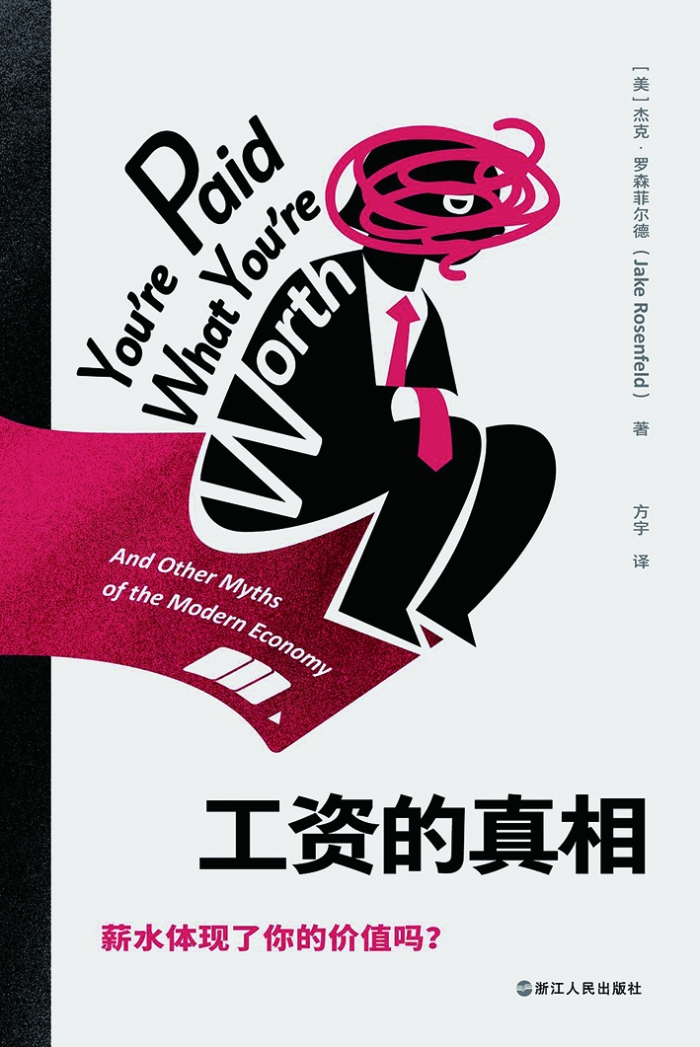
资本主导下的薪酬博弈 ——读《工资的真相》
Shang Hai Zheng Quan Bao· 2026-01-18 18:15
Core Argument - The key argument of the article is that the determination of wages for American workers is influenced more by a hidden system of power, inertia, imitation, and fairness perception rather than traditional metrics like performance or qualifications [2][3]. Group 1: Wage Determinants - The author identifies "power" as the ability to enforce will despite resistance, while "inertia" refers to the loss of negotiation power for employees once hired [2]. - Companies set wage levels through mutual imitation, creating a so-called "market price," and fairness in employment relationships is based on multiple internal and external reference systems [2]. - The distribution of power is seen as a critical factor in determining wage levels, as changes in power dynamics can disrupt organizational inertia and redefine fairness [2]. Group 2: Performance-Based Pay - The belief that individual performance determines pay is deeply ingrained in American culture, with a survey showing that support for performance-based pay is high among employees and HR managers [3]. - However, only one-third of respondents reported having some form of performance pay, and even in those roles, the variable portion of income is minimal [3]. - The difficulty in objectively quantifying performance leads to discrepancies between perception and reality, as seen in cases where performance incentives resulted in negative outcomes [3]. Group 3: Shareholder Capitalism - Since the late 1970s, the economic gains of U.S. public companies have primarily flowed to shareholders, with many CEOs opting to cut labor costs to ensure shareholder returns [5]. - The shift towards prioritizing shareholder interests has been driven by factors such as the rise of Japanese and German manufacturing and the oil crisis, which pressured U.S. corporate profits [5]. - The agency theory has redefined corporate governance, aligning executive compensation with stock performance, thus shifting focus to short-term stock price fluctuations [5][6]. Group 4: Labor Power Imbalance - The decline in wages for domestic jobs like truck drivers and construction workers is attributed to systemic imbalances in labor power dynamics [6][7]. - Legislative changes in the trucking industry led to the dissolution of traditional union power, resulting in significant wage declines for truck drivers [7]. - In the construction industry, similar trends have emerged, with labor cost reductions not benefiting consumers but rather increasing land prices and corporate profit margins [7]. Group 5: Comparative Analysis - In low-wage sectors like fast food, companies have the financial capacity to pay higher wages but often shift wage obligations to franchisees, weakening employee bargaining power [8]. - A cross-national comparison shows that Danish fast food workers earn significantly more than their American counterparts, highlighting differences in social equity perceptions and labor relations [8]. - The article argues for a more equitable income distribution mechanism, advocating for higher minimum wages and curbing excessive executive compensation to reward all workers fairly [8].

美交通部警告三“蓝州”:把好司机英语关 否则将遭“断供”
Xin Hua She· 2025-08-27 15:08
Core Viewpoint - The U.S. Department of Transportation has issued warnings to California, Washington, and New Mexico for not enforcing an executive order requiring commercial truck drivers to demonstrate English proficiency, threatening to freeze approximately $50 million in federal funds if compliance is not met [1][2]. Group 1: Executive Order and Enforcement - President Trump signed an executive order mandating that commercial truck drivers must possess proficient English skills and pass relevant tests to obtain a driver's license [1]. - The Department of Transportation has identified California, Washington, and New Mexico as non-compliant states and has warned them of potential federal fund freezes totaling around $50 million [2]. Group 2: Financial Implications - The federal funds at risk include $33 million for California, $10.5 million for Washington, and $7 million for New Mexico, which are part of the "Motor Carrier Safety Assistance Program" [2]. - The enforcement of the executive order could significantly impact the financial support these states receive for transportation safety initiatives [2]. Group 3: Industry Impact and Reactions - Experts suggest that the executive order may have broader implications for the trucking industry's labor supply, potentially making it more difficult for immigrant drivers to enter or remain in the U.S. workforce [4]. - The order has been criticized for not addressing underlying issues in the trucking industry, such as working conditions, and instead focusing on language proficiency as a barrier [4]. - The U.S. Secretary of State announced a halt to the issuance of work visas for foreign commercial truck drivers, citing safety concerns and the impact on American drivers' livelihoods [5].