伊朗与美以军事冲突

Search documents
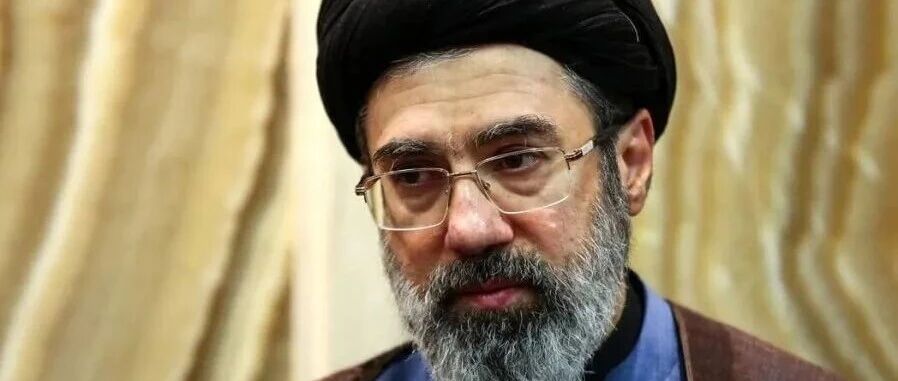
哈梅内伊次子当选伊朗最高领袖,特朗普威胁其“难长久”
21世纪经济报道· 2026-03-08 23:21
Group 1 - The new Supreme Leader of Iran, Mojtaba Khamenei, was elected by the Assembly of Experts with an overwhelming majority, marking a significant political transition in the country [4][3] - Iranian officials, including the Speaker of Parliament and the Secretary of the Supreme National Security Council, expressed confidence in Khamenei's leadership abilities and the resilience of the Iranian system despite external threats [4][5] - The Iranian Revolutionary Guard Corps pledged to support Khamenei and emphasized their commitment to defending the values of the Islamic Revolution [5] Group 2 - U.S. President Trump issued a warning that the new Iranian leader must receive U.S. approval to remain in power, suggesting that failure to do so would lead to a short tenure [6] - Trump indicated a willingness to consider candidates associated with the previous regime, expressing concerns about the continuity of Khamenei's policies [6] - The Israeli Defense Forces announced intentions to target the new Supreme Leader and all members of the Assembly of Experts, indicating a heightened military stance against Iran [7] Group 3 - Iran's military capabilities were highlighted, with officials stating that the armed forces could sustain high-intensity warfare for at least six months, supported by a robust missile arsenal [9][10] - The Iranian Revolutionary Guard claimed that their missile reserves are sufficient and ready for immediate deployment, countering claims of diminished capabilities [11] - Iran's strategic objective includes pushing for the complete withdrawal of U.S. forces from the Middle East and closing military bases in the region [12] Group 4 - Reports indicated that Israel conducted airstrikes on approximately 30 Iranian fuel storage facilities, leading to significant fires in Tehran, which raised concerns among U.S. officials about the potential backlash and strategic implications of such actions [20] - The U.S. government expressed dissatisfaction with Israel's military actions against Iranian infrastructure, marking a rare divergence in their strategies [20] Group 5 - Protests against U.S. and Israeli military actions in Iran occurred in multiple countries, with thousands participating in demonstrations calling for an end to hostilities [22] - The protests reflect growing international opposition to military interventions and the potential for escalating conflict in the region [22]