伊蚊防治

Search documents
广东全民总动员开启大灭蚊
财联社· 2025-08-03 03:50
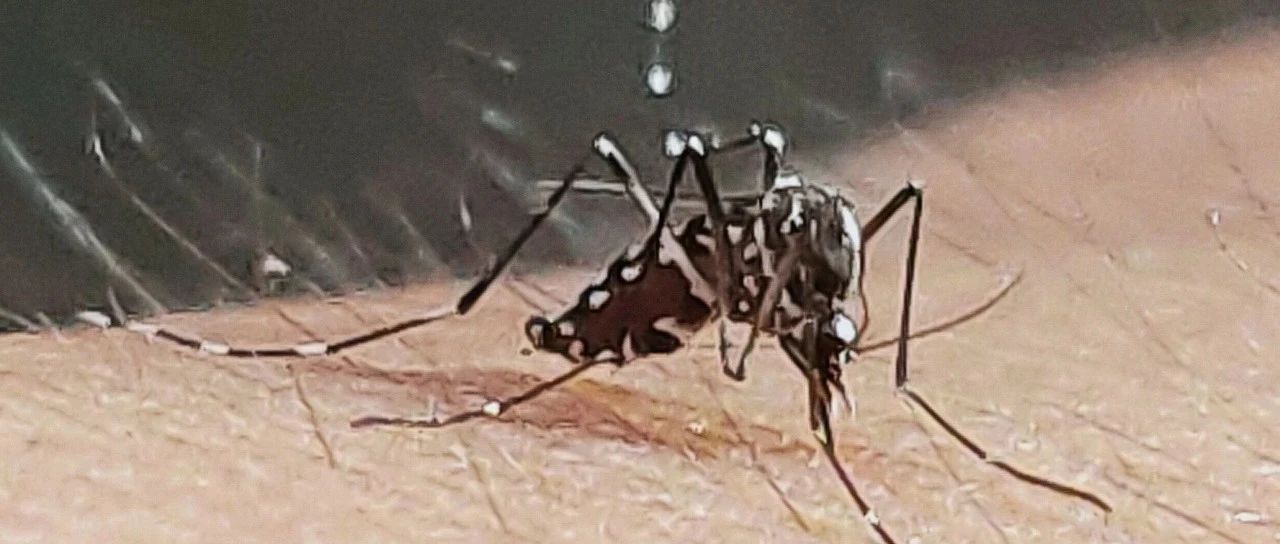
Core Viewpoint - The article discusses the outbreak of the Chikungunya virus in Guangdong, China, highlighting the rapid increase in local cases and the measures taken to control the spread of the disease, including mosquito eradication efforts and innovative biological control methods [1][25]. Group 1: Mosquito Control Measures - Guangdong province reported 2,940 new local cases of Chikungunya from July 20 to July 26, prompting a week-long concentrated mosquito eradication campaign [1]. - Residents in Zhongshan's Huangpu Town gather nightly to burn mosquito coils, targeting peak activity times of the Aedes mosquito to maximize effectiveness [3][4]. - The "electronic sentinel," developed by multiple health departments and universities, uses human scent simulants to attract and kill mosquitoes while monitoring their density in real-time [9]. Group 2: Biological Control Strategies - The introduction of the giant mosquito, a natural predator of Aedes larvae, can consume 80 to 100 Aedes larvae during its own larval stage [12]. - Zhongshan University has a facility that produces 4 to 5 million sterilized male mosquitoes weekly, which, when released, can significantly reduce the population of female mosquitoes by preventing viable offspring [14][16]. - The use of "mosquito-eating fish" has been implemented in some water bodies, although experts caution that this method may have limited effectiveness due to the specific breeding habits of Aedes mosquitoes [18][22]. Group 3: Government Response and Public Awareness - National health officials, including the head of the National Center for Disease Control, visited Foshan to oversee Chikungunya prevention efforts, emphasizing strict management and environmental sanitation [25][26]. - The government is promoting public health campaigns to encourage residents to eliminate standing water and maintain clean environments to prevent mosquito breeding [26].