传统

Search documents
中国中医药界代表出席第三届世界传统、补充与整合医学大会
Xin Hua She· 2025-10-17 13:28
Core Viewpoint - The Third World Conference on Traditional, Complementary, and Integrative Medicine is being held in Rio de Janeiro, Brazil, from October 15 to 18, focusing on enhancing public health through Traditional, Complementary, and Integrative Medicine (TCIM) [1] Group 1: Conference Overview - The conference is co-hosted by the Brazilian Academic Alliance for Integrative Medicine (CABSIN), the International Society for Complementary and Integrative Medicine Research (ISCMR), and the European Society for Integrative Medicine (ESIM) [1] - The theme of the conference is "Strengthening Global Public Health through Traditional, Complementary, and Integrative Medicine: Knowledge Diversity, Happy Society, and Global Health" [1] Group 2: Participation and Contributions - Representatives from over 30 Chinese institutions, including Beijing University of Chinese Medicine and the China Academy of Chinese Medical Sciences, are participating in the conference [1] - The Chinese delegation is showcasing various traditional Chinese medical practices such as Tui Na, acupuncture, and fitness, highlighting their effectiveness in treating complex diseases [1] Group 3: Global Impact and Expectations - CABSIN President Caio Poltella emphasized China's mature traditional medicine system and its significant research achievements in this field [1] - There is an expectation for China to contribute more to the world in terms of traditional medicine techniques and experiences [1]
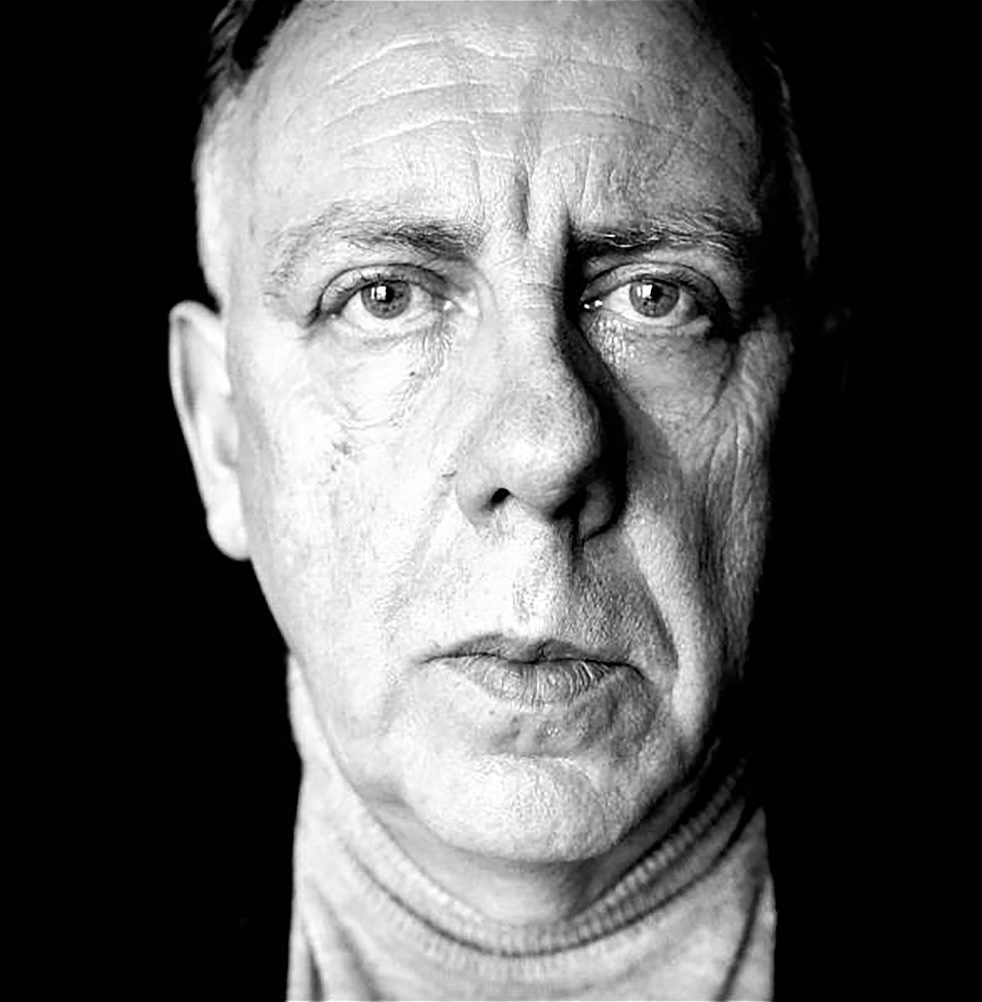
纪念麦金太尔|钱一栋:谁是麦金太尔?何种重要性?
Xin Lang Cai Jing· 2025-05-23 05:46
Group 1 - Alasdair MacIntyre, a renowned ethicist and political philosopher, recently passed away, leaving behind a significant academic legacy [1][3] - MacIntyre is best known as a communitarian, but this label oversimplifies the complexity and depth of his thought [5] - His early academic focus was on Marxism, attempting to argue for its compatibility with Christianity, but he later shifted towards a Thomistic Aristotelianism [5][7] Group 2 - In "After Virtue," MacIntyre discusses the disarray of contemporary moral language, which he believes is a result of the fragmentation of traditional and modern moral discourses [7][8] - He critiques modern moral philosophers, arguing that their attempts to derive moral rules from human nature have failed due to a lack of teleological understanding [9][10] - MacIntyre posits that the moral debate of today can be simplified to a choice between Nietzsche and Aristotle, advocating for the reconstruction of Aristotelian ethics [10][13] Group 3 - MacIntyre emphasizes the importance of "practices" in his ethical framework, which are defined as complex cooperative human activities that aim for excellence [10][13] - He argues that internal goods can only be obtained through participation in specific practices, contrasting them with external goods that can be acquired through various means [13][14] - The pursuit of a good life is influenced by one's social identity and historical context, which shapes moral expectations and obligations [14][17] Group 4 - MacIntyre rejects the strict separation of history and philosophy, asserting that moral philosophy must be contextualized within specific social histories [17][18] - He believes that while there are no eternal standards to judge moral theories, his proposed framework is the best available, as it integrates insights from various moral theories while addressing their limitations [17][18]