传统戏曲现代化转型

Search documents
实验沪剧《短章边》长江剧场首演 鲁迅笔下人物“活”了
Xin Lang Cai Jing· 2026-02-08 14:24
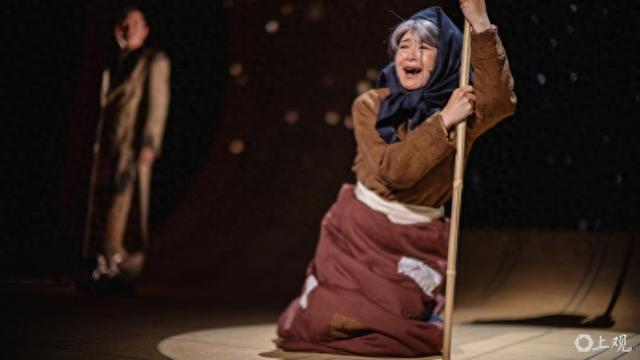
Core Viewpoint - The experimental Hu opera "Short Chapter Edge" premiered at the Yangtze Theater, marking the conclusion of the 2025 China Small Theater Opera Exhibition, and is dedicated to the 90th anniversary of Lu Xun's passing [3][19]. Group 1: Artistic Innovation - The production draws from Lu Xun's classic works "White Light," "Sadness," and "Blessing," creating a dialogue between literature and stage through the medium of paper, allowing the characters to regain warmth within the Shanghai-style Hu opera [5]. - "Short Chapter Edge" breaks away from traditional narrative frameworks, focusing on core characters and spiritual essence, presenting a contemporary interpretation of classics [7]. - The creative team designed three anthropomorphized characters—"White Light," "A Sui," and "Threshold"—to embody abstract themes such as fate, loyalty, and societal constraints, providing a relatable modern interpretation of Lu Xun's characters [9]. Group 2: Performance and Audience Engagement - Young actors' performances are highlighted as the soul of the production, showcasing their skills and innovative potential, with one actor portraying multiple roles, effectively conveying character transitions through voice alone [11]. - The production maintains the essence of Hu opera while incorporating traditional singing styles and modern orchestral elements, creating an immersive experience that resonates with both new and veteran audiences [13][16]. - The collaboration between international and local creators, including a stage designer from London's West End, enriches the artistic energy and serves as a model for the development of small theater opera [17]. Group 3: Cultural Significance - "Short Chapter Edge" represents a significant effort in the modernization of traditional opera, achieving breakthroughs in artistic innovation, mechanism upgrades, and cross-disciplinary empowerment, thus transforming Hu opera into a dynamic urban cultural symbol [19].

首部改编莎翁名著的蒲剧,如何完成跨文化转译的挑战?
Xin Lang Cai Jing· 2026-02-06 00:22
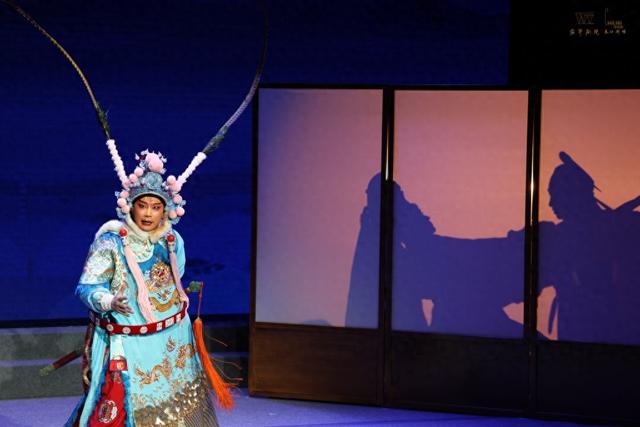
Core Perspective - The adaptation of Shakespeare's "Othello" into the Shanxi Peking Opera "Othello: Doubt" showcases a successful cultural fusion, highlighting themes of love, jealousy, and trust within a unique performance context [1][3]. Adaptation and Cultural Translation - The adaptation process involved significant challenges in translating the text's logic to fit within the Chinese opera framework, ensuring the story remains relatable while preserving the essence of the original work [3]. - The narrative is set in the chaotic era of the Sixteen Kingdoms, transforming characters to fit the local context, such as Othello becoming a Hu general named Luosai, and Desdemona being reimagined as Bai Wuxia, the daughter of a Han minister [3][4]. Artistic Expression and Performance - The performance effectively utilizes the talents of young artists, blending singing and martial arts to convey the emotional depth of the characters, particularly Luosai's heroic yet vulnerable nature [4]. - The production breaks traditional norms by maintaining the tragic ending of "Luosai killing his wife," reflecting the core tragedy of Shakespeare's original work and demonstrating respect for the source material [10][11]. Symbolism and Themes - The central theme of "doubt" is explored deeply, representing universal human emotions and conflicts that transcend time and cultural boundaries [6][7]. - Visual elements, such as the use of a screen to depict internal conflict and the interplay of light and shadow, enhance the representation of psychological struggles, making the abstract emotions tangible for the audience [6][7]. Artistic Characteristics and Compatibility - The inherent qualities of Peking Opera, characterized by its vigorous and dramatic style, align well with the tragic elements of Shakespeare's narrative, allowing for a powerful expression of emotions such as jealousy and despair [9][13]. - The production exemplifies a modern transformation of traditional opera, showcasing the potential for cross-cultural dialogue and innovation within the performing arts [10][13].