
体育场地建设

Search documents
北京人均体育场地3.26㎡!近期体育政策透露出这些信息
Sou Hu Cai Jing· 2025-11-14 04:12
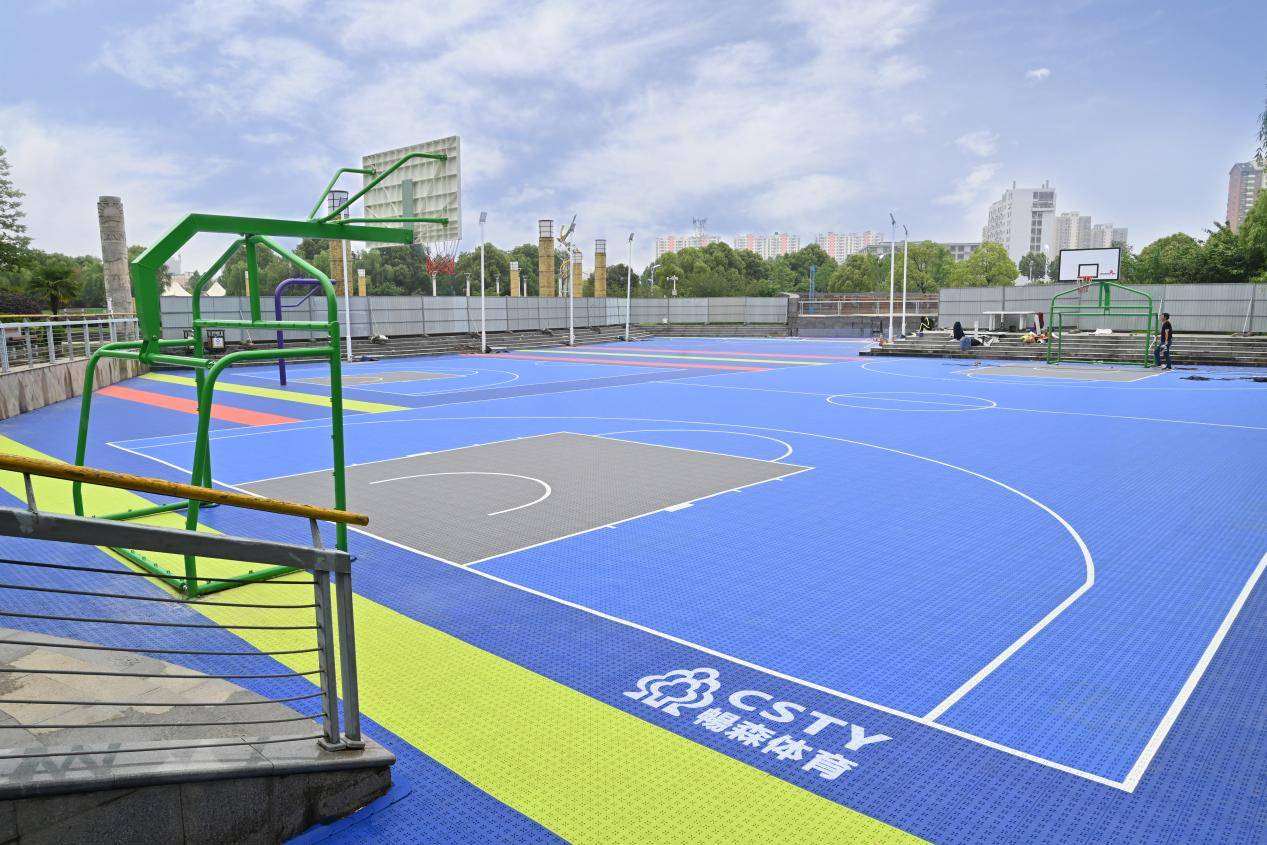
Core Insights - Beijing has significantly improved its sports infrastructure over the past five years, with an increase in sports facilities leading to a rise in public participation in sports activities [1][3][16] - The upcoming "15th Five-Year Plan" aims to further enhance the quality and quantity of sports venues, integrating them with urban green spaces [10][13][16] Infrastructure Development - Over the last five years, Beijing has built and renovated numerous sports parks, basketball courts, and fitness trails, achieving an average of 3.26 square meters of sports area per person [1] - The city has hosted nearly 100,000 community sports events, with over 36 million participants, indicating a shift in sports from being exclusive to professional athletes to becoming part of everyday life for citizens [3] Quality and Safety in Sports Facilities - The construction of sports venues emphasizes quality and safety, with specific requirements for different sports surfaces to minimize injury risks [5][7] - Innovative sports flooring systems, such as those used in the Beijing Zhongxin International Sports Center, provide excellent shock absorption and durability, ensuring long-term safety for users [7][8] Future Plans and Community Engagement - The Beijing Municipal Bureau of Landscape and Forestry plans to establish 25 urban park recreation vitality circles and 17 park recreation vitality clusters in the next five years, enhancing the integration of sports facilities with green spaces [10] - The "Double Olympic 100" event system aims to create a vibrant sports atmosphere with regular events, requiring both high-standard professional venues and accessible community sports facilities [13][15] Role of Social Forces - The Beijing Sports Bureau encourages social forces to participate in the construction of fitness facilities, providing financial support, which opens new opportunities for the sports infrastructure sector [15]

“十四五”以来我国全民健身优质均衡发展
Xin Hua She· 2025-11-10 14:50
Core Insights - Since the beginning of the 14th Five-Year Plan, China's per capita sports venue area has reached 3.0 square meters, with over 38.5% of the population regularly participating in sports activities, effectively addressing the issue of "where to exercise" for the public [1][2] Group 1: Sports Infrastructure Development - By the end of 2024, the total number of sports venues in China is expected to reach 4.8417 million, with a total area of 4.23 billion square meters, representing an increase of over 30% compared to the end of the 13th Five-Year Plan [1] - Specific sports venues have seen significant growth, with football, basketball, and volleyball courts increasing by approximately 20%, table tennis venues by 30%, and badminton courts by 50% [1] Group 2: Community Engagement and Events - The "National Ball into Community" and "National Ball into Park" initiatives have resulted in the addition of approximately 38,000 table tennis tables and around 135,000 other fitness facilities across the country, with nearly 14,000 fitness events attracting over 1.3 million participants [1] Group 3: Sports Park and Rural Development - The construction of sports parks has exceeded the targets set for the 14th Five-Year Plan, with 1,555 sports parks covering at least 40,000 square meters completed and operational by mid-2025 [1] - Efforts are ongoing to ensure balanced development of fitness facilities in urban and rural areas, with 5,000 townships receiving necessary equipment and facilities, and 160 key rural revitalization counties achieving full coverage of specialized sports venues [1] Group 4: Funding and Support - During the 14th Five-Year Plan, a total of 5.65 billion yuan has been allocated for central subsidies to support the free or low-cost opening of public sports venues, with 3,370 venues expected to receive subsidies by 2025, covering over 1,400 county-level administrative regions [2] - The number of social sports instructors has grown significantly, with over 3.9 million instructors nationwide, equating to 2.77 instructors per 1,000 people, and a training program for rural female instructors has produced 94,000 participants across 33,000 administrative villages [2]