体育项目多元化

Search documents
14亿人挑不出11个能踢球的经济学解释
Xin Lang Cai Jing· 2026-01-22 05:49
Core Viewpoint - The excitement surrounding the U23 Chinese football team's victory over Vietnam highlights the current state of Chinese football, which has significantly declined from its past status as a competitive force in Asia [2][4]. Group 1: Reasons for Decline - The decline of Chinese football can be attributed to various factors, including the shift in sponsorship from real estate companies, which previously supported football teams, to other sectors [4]. - The diversification of sports has led to a decrease in talent directed towards football, as other sports like tennis have become more commercialized and appealing [5]. - The misconception that 1.4 billion people should easily produce 11 football players is flawed; the actual registered football population in China is only 1.1 million, with active players around 500,000 to 600,000 [7]. Group 2: Demographic Changes - The strong generations of football players in China were born in the 1950s to 1970s, when families had more children, contributing to a larger pool of potential football talent [9]. - The one-child policy has significantly impacted the number of children participating in football, as families are more cautious in allowing their only child to pursue sports [10][11]. - The long-term outlook for Chinese football remains concerning due to the reduced number of children engaging in the sport, which limits future talent development [12][13].


成都世运会契合中国体育时代之需
Zhong Guo Qing Nian Bao· 2025-08-08 08:11
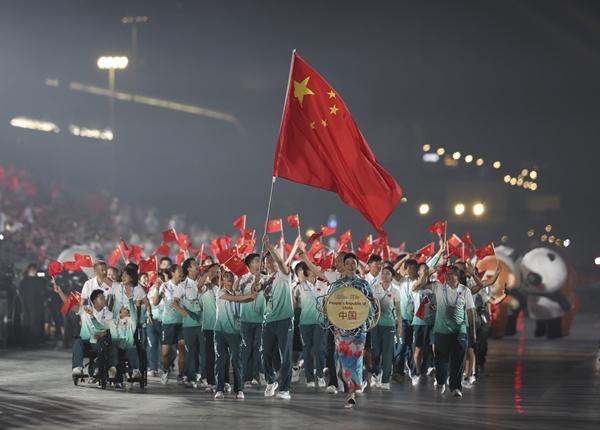
Core Insights - The 12th World Games opened in Chengdu on August 7, marking the largest edition in history with 3,942 athletes from 116 countries and regions participating [2][5] - The World Games emphasize diversity and inclusivity in sports, showcasing lesser-known events that are not part of the Olympic Games, thus promoting a broader understanding of sports [3][4] Group 1: Event Significance - The World Games serve as a platform for non-Olympic sports, providing opportunities for athletes in events like lacrosse, korfball, and tug of war, which are less familiar to the Chinese audience [3][4] - The event is seen as a complement to the Olympics, with former IOC President Juan Antonio Samaranch describing it as a "second Olympic Games" [3][4] Group 2: Impact on Local Sports Culture - The hosting of the World Games in Chengdu is expected to enhance the local sports culture by introducing diverse sports to the public, aligning with the growing interest in non-mainstream activities [8][9] - The event is part of a broader trend in China towards promoting inclusive sports, moving from a focus solely on medal counts to a more holistic approach to sports participation [9] Group 3: Infrastructure and Sustainability - Chengdu has utilized existing and renovated sports facilities for the World Games, which has been praised for its sustainability and setting a new benchmark for future events [5][6] - The design of the torch for the Games incorporates local cultural elements, enhancing the event's cultural significance and global recognition [6] Group 4: Future Prospects - The World Games are anticipated to stimulate interest in emerging sports in China, such as frisbee and paddleboarding, reflecting a shift in public engagement with sports [8][9] - The event is seen as a crucial step in China's sports globalization and diversification efforts, potentially influencing long-term sports development in the region [9]