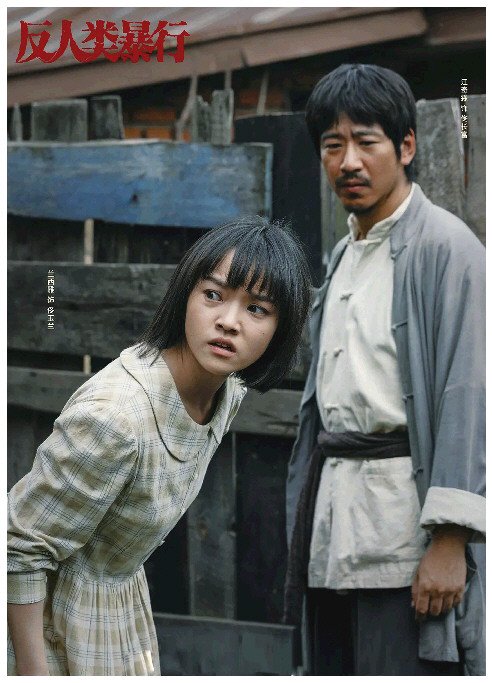
侵华日军第七三一部队罪行

Search documents
一匹马牵出黑暗历史,这部高分剧还原731部队罪行
Di Yi Cai Jing· 2025-12-27 07:40
Core Viewpoint - The drama "Anti-Human Atrocities" utilizes virtual filming technology and is based on the real historical atrocities committed by the Japanese Army's Unit 731, aiming to reveal the horrors of war and the impact of militarism on humanity [1][3][4]. Group 1: Production and Reception - "Anti-Human Atrocities" premiered on December 13, coinciding with the National Memorial Day for the victims of the Nanjing Massacre, and quickly gained acclaim, with its Douban rating rising from 8.5 to 8.7 [3]. - The series is directed and co-written by the acclaimed director "Suan," who previously set a benchmark for domestic dramas with his work "Border Water Affairs" [3][4]. - The use of virtual filming technology allowed for a rapid production timeline, enabling the series to be completed in a short period while maintaining high production quality [11]. Group 2: Narrative Structure and Themes - The series employs a dual narrative structure, intertwining the historical events of the 1940s in Harbin with a contemporary storyline set in 1992, focusing on the quest for truth [7][8]. - The narrative begins with the fate of a horse, symbolizing the broader suffering of civilians during the Japanese invasion, and gradually reveals the atrocities committed by Unit 731 [5][7]. - The director emphasizes the importance of historical accuracy and the need for continuous inquiry into past atrocities to prevent collective memory from being diluted or distorted [10]. Group 3: Artistic Expression - The series adopts a restrained and cold aesthetic, contrasting with traditional war dramas, and utilizes silence and metaphor to convey emotional depth [12][13]. - Notably, the absence of a closing theme song in each episode, replaced by real recordings from the "Boli Trials," serves to enhance the emotional impact and highlight the gravity of the historical context [13]. - The production team meticulously recreated historical details, ensuring that visual elements accurately reflect the era and the events depicted [10].

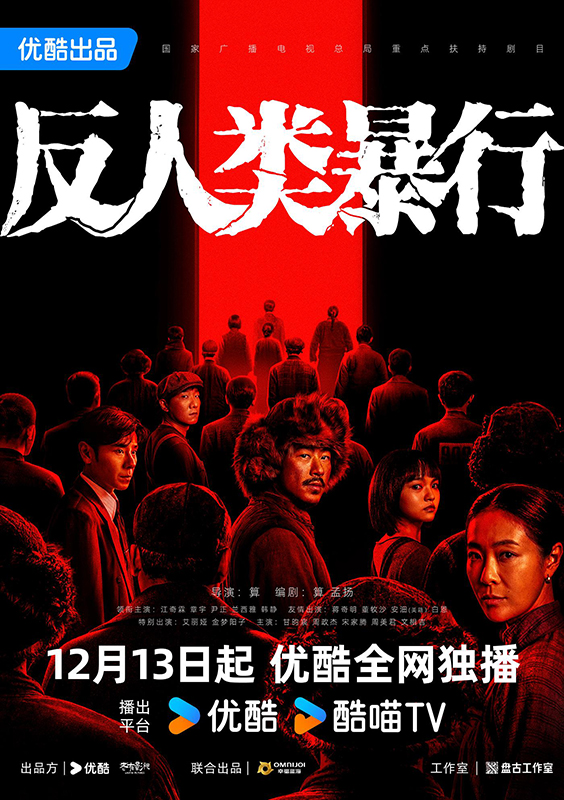
真实自有万钧之力
Xin Lang Cai Jing· 2025-12-24 10:40
Core Viewpoint - The series "Crimes Against Humanity" has received a rating of 8.5 on online platforms, indicating strong audience recognition and resonance due to its realistic portrayal and profound historical reflection [2]. Group 1: Narrative Structure - The series employs a dual narrative structure, with one timeline set in 1992 focusing on a staff member at the Harbin Unit 731 Evidence Museum, who embarks on a cross-national quest for truth [3]. - The second timeline revisits the atrocities committed by the Japanese military during their invasion, revealing the horrific human experiments conducted by Unit 731 through various personal perspectives [4]. Group 2: Character Perspectives - The narrative intertwines the fates of ordinary individuals, such as a peddler whose horse is taken by the Japanese military, leading to tragic consequences for his village [5]. - The character of a painter who enters Unit 731 to document experiments provides a complex internal view, while a documentary filmmaker represents a different form of complicity by choosing to beautify the horrors instead of exposing them [5][6]. Group 3: Artistic Expression - The series does not shy away from depicting historical truths, using real artifacts and documents to enhance authenticity, and the narrative framework aligns closely with actual historical events [7]. - Artistic choices include a restrained approach to emotional expression, avoiding graphic violence while using sound and silence to evoke a sense of oppression and reflection [7].