侵华日军细菌战

Search documents
抗战史研究显示:浙江是侵华日军细菌战的重灾区
Xin Lang Cai Jing· 2025-12-25 17:23
2014年,浙江省党史系统承担了"中国南方地区侵华日军细菌战研究(浙江地区)"这一项目。项目集结 了浙江党史部门、档案部门、社科工作者和民间研究者等四方面研究力量,以浙江省各级档案馆的馆藏 原始档案,抗战时期浙江人口伤亡和财产损失调研课题成果,民间研究者征集的资料为基础,全盘梳理 了侵华日军在浙细菌战的材料,并结合了全国多地和国外的史料,开展实地考察,对史实进行了严谨考 证和全面梳理,出版了多部专著,充分揭露了日本军国主义对浙江人民犯下的滔天罪行。其中,课题专 著《铁证如山 罪责难逃——侵华日军在浙江实施细菌战研究》已于本月由浙江人民出版社正式出版。 (来源:千龙网) 新华社杭州12月25日电 抗战期间浙江是侵华日军细菌战的重灾区,日军在浙江实施了三次大规模的细 菌战,浙江约6万人死于日军细菌武器攻击……国家社会科学基金特别委托重大项目"中国南方地区侵华 日军细菌战研究(浙江地区)"课题组25日在杭州发布了针对侵华日军在浙实施细菌战罪行的系列研究 成果。 在25日下午由浙江省中共党史学会和浙江人民出版社举行的课题成果发布会上,课题组首席专家金延锋 介绍说,抗战期间,侵华日军分别于1940年、1942年、194 ...
视频丨罪证确凿!原队员证实731部队用飞机降雨式播撒细菌
Yang Shi Xin Wen Ke Hu Duan· 2025-12-13 01:46
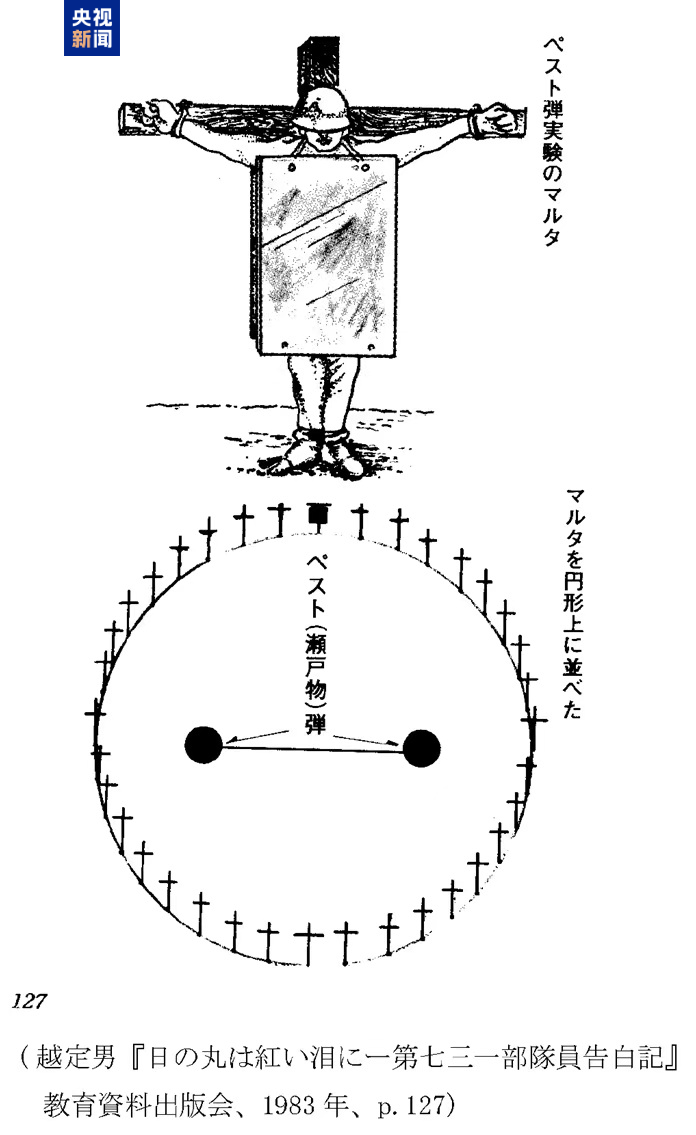
第十二个南京大屠杀死难者国家公祭日前夕,侵华日军第七三一部队罪证陈列馆公布一段长38分钟的视频证言。七三一部队原队员西岛鹤雄揭露了这支部队 曾利用气象数据实施细菌播撒和冻伤活体实验。 西岛鹤雄,于1938年10月加入七三一部队,是气象班成员。气象班并非单纯的观测部门,而是七三一部队进行野外人体实验的辅助机构,其职责是通过测量 风向风速等,确保达到最佳实验效果。 "细菌培养液像下雨一样洒下去"七三一部队原成员亲述细菌战罪行 0:00 "雨下实验"是七三一部队在野外实施的细菌播撒实验,因其手段类似降雨而得名。七三一部队曾在距离哈尔滨150公里外的安达市,设立专门的野外实验 场,将被实验者绑在间隔约5米的木桩上,每次约30人。飞机以距地面仅50米的超低空飞行,向下喷洒细菌培养液。 侵华日军第七三一部队气象班原成员 西岛鹤雄:飞机的弹仓里装满了细菌培养液,然后像下雨一样洒下去,让被绑在柱子上的"马路大"抬头张嘴接着。 0:00 西岛鹤雄:他们这些人心里很清楚,吸入这些东西肯定活不成,所以都闭着眼睛,憋着气不想呼吸。但这样实验就没法进行了呀,所以得一人一把手枪逼 着,让他们张嘴抬头,硬是让他们这样。 西岛鹤雄说,实验结 ...

新闻调查|起底侵华日军1855细菌部队
Xin Hua She· 2025-12-11 08:02
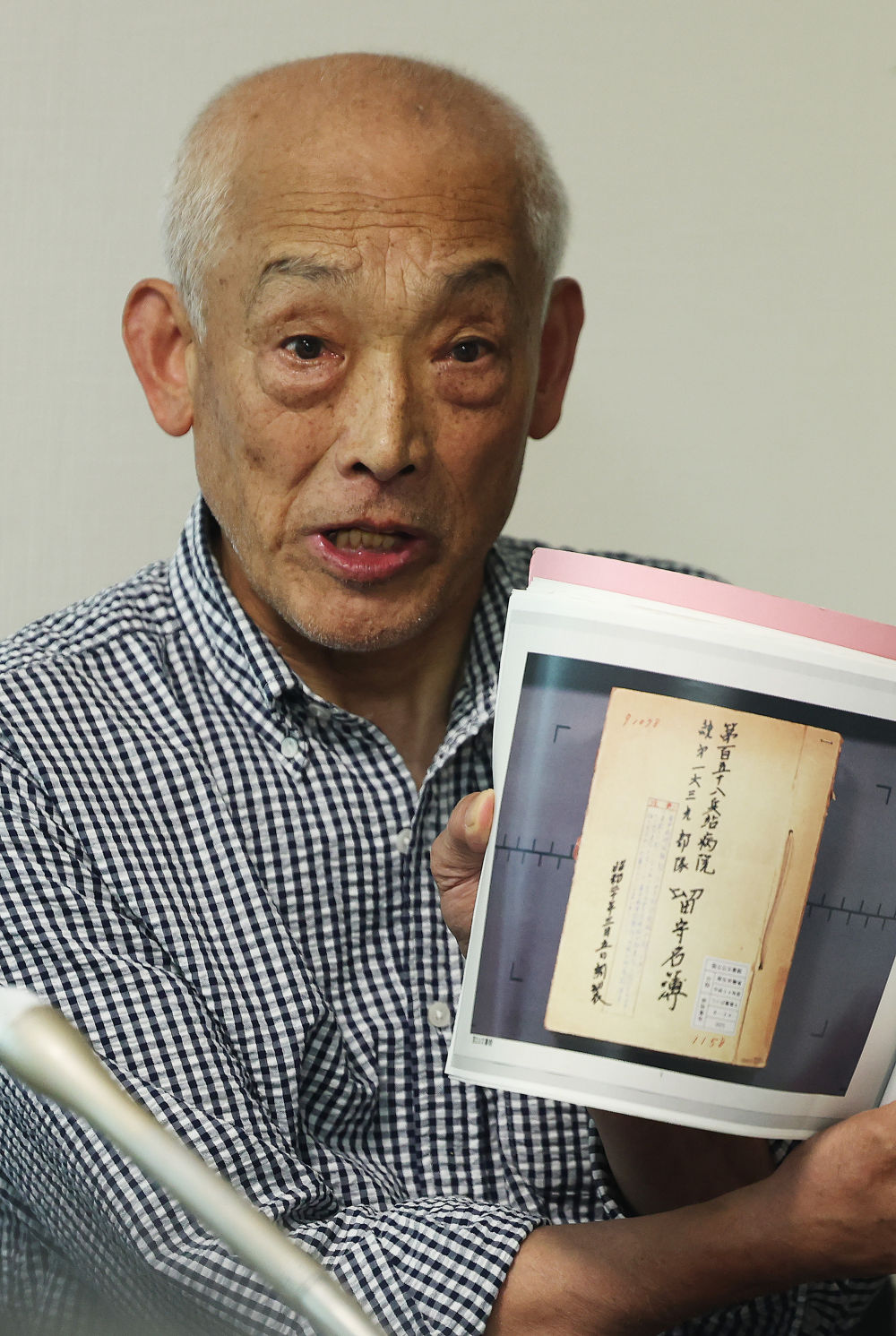
新闻调查|起底侵华日军1855细菌部队 新华社记者郭丹 罗鑫 陈泽安 日本细菌战研究专家、滋贺医科大学名誉教授西山胜夫近日向新华社记者展示了一份他新发现的《北支 那防疫给水部甲第一八五五部队 留守名簿》的文档扫描件。 这一留守名簿编写于二战期间的1945年2月28日,与此前发现的战后1945年8月29日编写的该部队留守名 簿不同。"新发现的这份留守名簿清楚地展示了其管理业务规则,该部队部分班组的名称及其负责人的 名字也被清晰列出,非常难得。"西山说。 打开名簿首页,一张《北支那防疫给水部支部出张所一览表》映入眼帘。表的右上侧盖着清晰的"军事 极秘"印章,表内该部队本部位于北京,下属有石门(石家庄)、济南等5个支部,天津、塘沽、青岛等 7个派出机构,以及确山、壤城两个分遣班,各机构负责人的姓名、军衔等信息一应俱全。 日军在北京也有像731一样的细菌部队?这到底是怎样的一支部队?是怎么实施细菌战的?给华北一带 的民众造成了哪些伤害?一连串问题不断涌出,让记者开始了一场跨国寻找侵华日军罪证的追踪。 从天坛公园西门进入,张斌边走边向记者介绍,1940年2月,经日本天皇敕令,北支那防疫给水部正式 成立,代号甲第1855 ...
新闻调查丨起底侵华日军1855细菌部队
Xin Hua She· 2025-12-11 07:42
新华社东京/北京12月11日电 新闻调查|起底侵华日军1855细菌部队 新华社记者郭丹 罗鑫 陈泽安 日本细菌战研究专家、滋贺医科大学名誉教授西山胜夫近日向新华社记者展示了一份他新发现的 《北支那防疫给水部甲第一八五五部队 留守名簿》的文档扫描件。 这一留守名簿编写于二战期间的1945年2月28日,与此前发现的战后1945年8月29日编写的该部队留 守名簿不同。"新发现的这份留守名簿清楚地展示了其管理业务规则,该部队部分班组的名称及其负责 人的名字也被清晰列出,非常难得。"西山说。 这么一支庞大的细菌部队,居然就隐藏在北京的皇家祭天场所。记者联系到北京市档案学会副秘书 长张斌进一步深入采访。 打开名簿首页,一张《北支那防疫给水部支部出张所一览表》映入眼帘。表的右上侧盖着清晰 的"军事极秘"印章,表内该部队本部位于北京,下属有石门(石家庄)、济南等5个支部,天津、塘 沽、青岛等7个派出机构,以及确山、壤城两个分遣班,各机构负责人的姓名、军衔等信息一应俱全。 三口消毒锅 6支试管 日军在北京也有像731一样的细菌部队?这到底是怎样的一支部队?是怎么实施细菌战的?给华北 一带的民众造成了哪些伤害?一连串问题不断涌出 ...
侵华日军细菌战暴行再添铁证
Xin Hua She· 2025-08-15 09:05
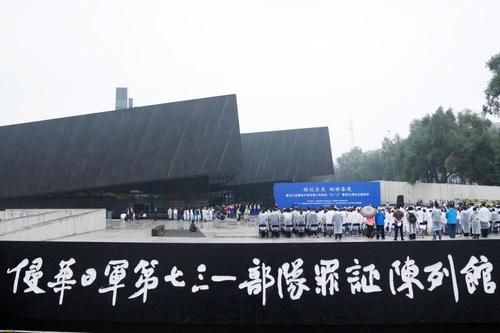
Core Points - The article discusses the recent publication of new evidence regarding the atrocities committed by the Japanese military during World War II, specifically focusing on the Unit 731 and its associated biological warfare units [3][4][9] - The evidence includes 3010 pages of documents, 194 minutes of footage, 312 photographs, 12 postcards, and 8 letters, which aim to reveal the historical truth and foster social consensus on the horrors of war [3][4][9] Summary by Sections Historical Context - The Japanese military established six biological warfare units during its occupation of China and Southeast Asia, with Unit 731 being the most notorious [3][7] - From 1937 to 1945, these units systematically conducted biological warfare, which was a state-sponsored crime involving the collaboration of the Japanese government, military, and medical community [3][4][9] Recent Findings - The 40th anniversary of the Unit 731 Evidence Exhibition Hall coincides with the release of new evidence, which includes extensive documentation and testimonies from former members of the unit [3][4][9] - The evidence highlights the organized and premeditated nature of the biological warfare conducted by the Japanese military [3][4][9] Evidence Collection - The exhibition hall has collected over 400 hours of oral history and conducted numerous interviews with former Unit 731 members to gather evidence [6][9] - The newly released documents include personnel records from various biological warfare units, revealing their connections and the extent of their operations [10][13][15] Medical Collaboration - The article emphasizes the role of the Japanese military medical school in supporting the establishment of Unit 731, showcasing how medical science was perverted into a tool for state-sponsored crimes [16][18] - Evidence indicates that medical professionals were complicit in the inhumane experiments conducted on prisoners, blurring the lines between medical ethics and military objectives [16][20] Public Awareness and Remembrance - The release of this evidence aims to educate the public about the brutal realities of war and to unite those who cherish peace [4][33] - The exhibition hall has seen a significant increase in visitors, reflecting a growing interest in understanding this dark chapter of history [33][34]
侵华日军华南细菌战重要铁证!“波第8604部队”完整名册首现国内
Yang Shi Xin Wen Ke Hu Duan· 2025-07-07 04:18
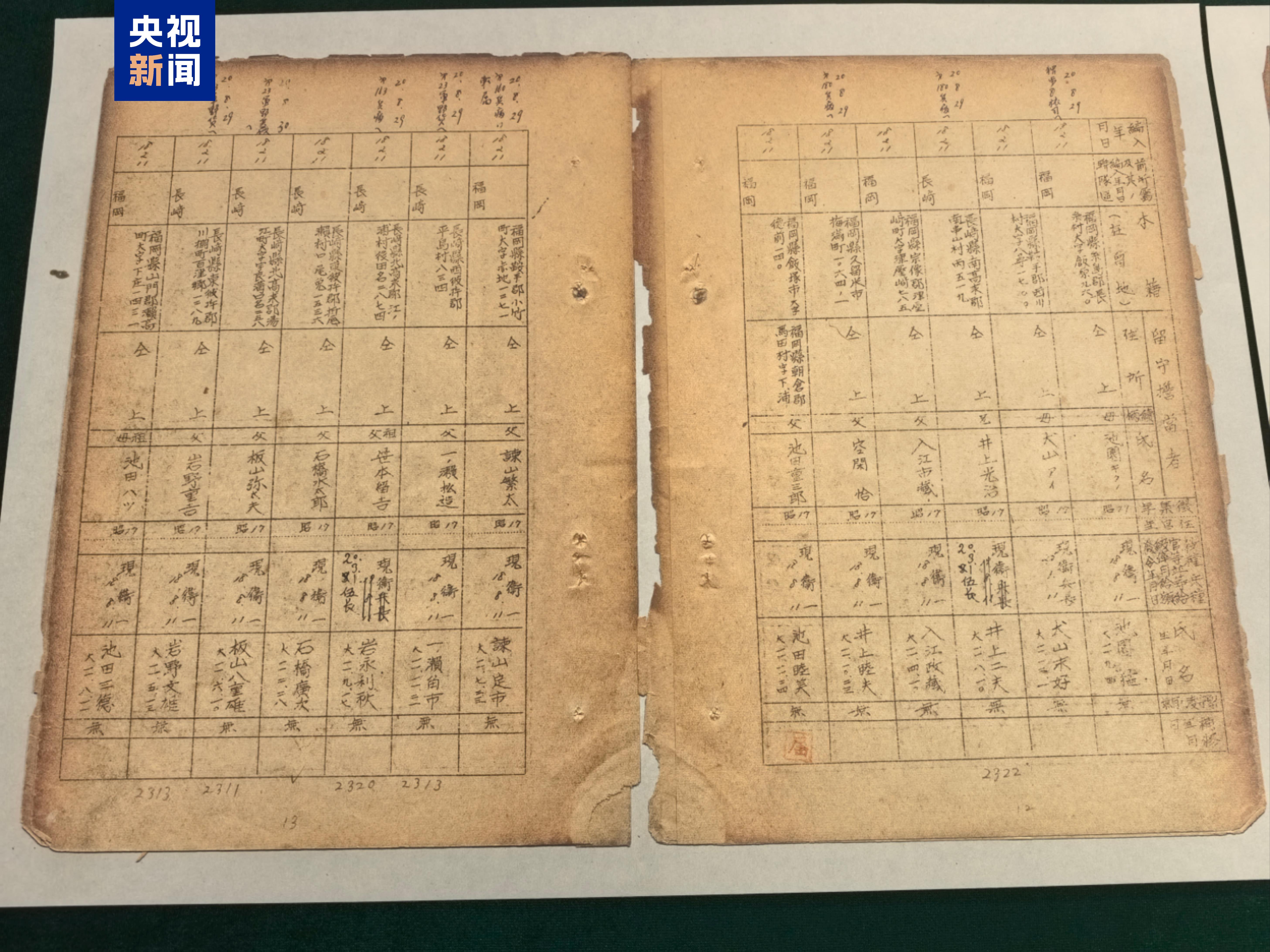
Core Points - The "Bodhi 8604 Unit" roster, a significant historical document regarding Japan's biological warfare during World War II, was donated by Japanese scholar Matsuno Seiya and is now available in China for the first time [1] - This roster, which was classified as a military secret for many years, includes detailed information about 860 members of the "Bodhi 8604 Unit," surpassing the number recorded by post-war veteran associations [1][4] - The document is considered the most authoritative and comprehensive record of the unit, providing insights into the personnel structure and operational details of Japan's biological warfare efforts in South China [8] Summary by Sections Document Significance - The "Bodhi 8604 Unit" roster is the only core archive available that details the personnel involved in Japan's biological warfare in South China, particularly during the anti-Japanese war [1] - It was compiled in 1945 and includes names, birth dates, origins, military ranks, and other personal details of the unit members [4] Content Details - The roster contains extensive information such as the members' previous military affiliations, enlistment dates, salaries, and their fates post-war, including reasons for death and arrests by Chinese war crime tribunals [4] - It serves as a key to understanding the structure and scale of the "Bodhi 8604 Unit" and its connections to other Japanese biological warfare units like the infamous Unit 731 [8]
寻找“被湮没的”侵华日军细菌战部队历史
Xin Hua She· 2025-06-05 13:43
Core Viewpoint - The investigation into the activities of the Japanese Imperial Army's Unit 1644, which was involved in biological warfare and human experimentation during the invasion of China, has gained attention through the efforts of the descendant of a former member, Takeue Masayuki, who seeks to uncover the truth about his father's involvement [1][4]. Group 1 - Takeue Masayuki discovered his father's military history and the existence of Unit 1644 after finding old photographs and documents while renovating his home [1][3]. - The unit, officially known as the "Central China Epidemic Prevention and Water Supply Unit," was involved in secretive and inhumane activities, contrary to its public image [1][4]. - Takeue's investigation faced challenges due to the destruction of records by the Japanese military after their defeat, making it difficult to find information about the unit [3][4]. Group 2 - In 2021, Takeue received limited documentation regarding his father's military service, which confirmed his father's association with Unit 1644, despite the Japanese government's reluctance to disclose full records [4][5]. - The Japanese government has historically denied or downplayed the existence and actions of such units, leading to criticism from former members of the military [4][7]. - The recent release of the unit's roster and related documents by the Japanese National Archives marks a significant step in acknowledging the historical reality of these wartime activities [5][7].